
Tank trucks serve as vital vehicles for transporting liquid petroleum and its derivatives; ensuring their safety—particularly during long-distance hauls—is of paramount importance. As a critical safety component of a tank truck, the safety valve primarily functions to prevent the tank body from rupturing or leaking in the event of excessive internal pressure. To guarantee the proper operation of the tank truck and the safety of its cargo during transit, regular inspection and maintenance of the safety valve are absolutely essential. This article provides a detailed guide on how to conduct safety valve inspections and maintenance for tank trucks both before and after long-distance transportation.
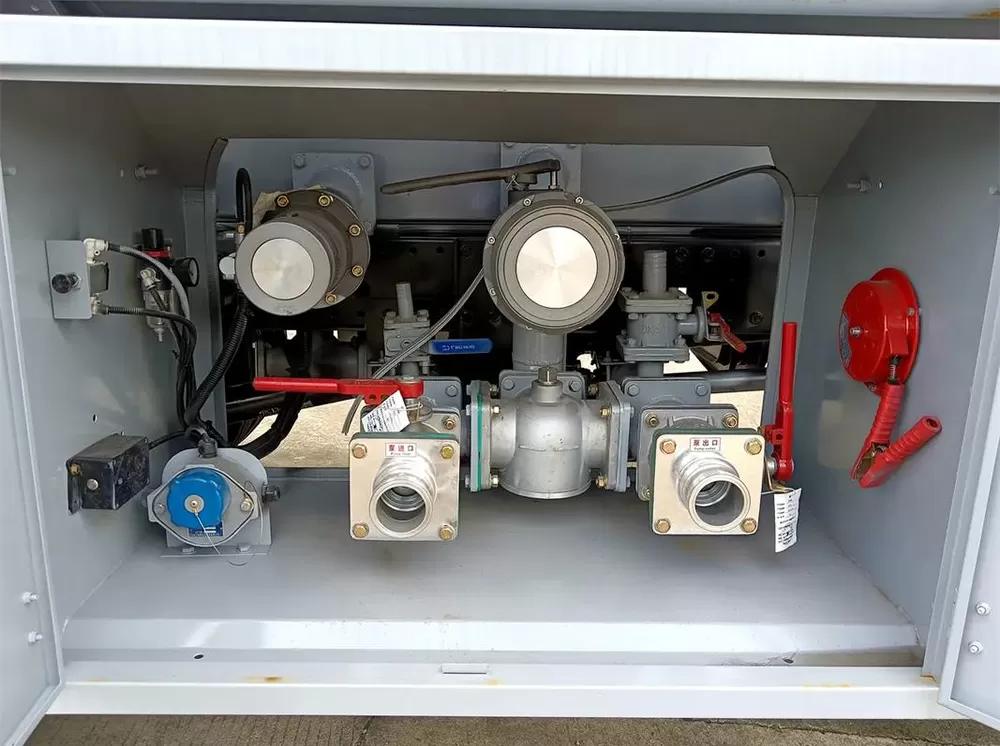
Safety valves on tank trucks are typically installed on the top of the tank or at other critical locations. Their primary function is to maintain a balance between the internal pressure within the tank and the external atmospheric pressure. When the internal pressure of the tank exceeds the safety valve's preset threshold, the valve automatically opens to vent the excess pressure; conversely, when the internal pressure returns to the normal operating range, the valve automatically closes to prevent external gases from entering the tank. This mechanism effectively prevents tank explosions or leakage incidents that could otherwise be triggered by excessive internal pressure.
|
project |
illustrate |
|
type |
Spring-loaded micro/full-opening structure, non-rupture disc type (GB 18564.1-2019 prohibits the use of rupture discs alone). |
|
Work pressure |
10%higher than that of the mechanical breather valve (e.g., the breather valve opening pressure is 6 kPa, and the safety valve is 6.6–8 kPa). |
|
Sealing medium |
Uselight diesel oil, transformer oil, or low-pour-point lubricating oilto form a liquid seal to prevent gas leakage. |
|
Installation Requirements |
It mustbe installed vertically, and no elbows, valves, or silencers may be added to the outlet to ensure unobstructed pressure relief. |
|
Functional Logic |
Under normal circumstances, it does not activate; when the breather valve freezes, becomes blocked, or the pressure inside the tank rises abnormally, it automatically opens to release pressure and prevent the tank from bursting. |
Note: The safety valve is not merely a "spare part," but a "life-saving valve." Should it fail, the tank truck effectively becomes a "walking bomb."
The proper functioning of a tank truck's safety valve is directly linked to safety during the transportation process. If the safety valve fails to open in a timely manner or fails to close properly, it could lead to excessive pressure buildup within the tank, potentially triggering hazardous accidents. Therefore, conducting regular inspections of the safety valve is a mandatory duty for every tank truck maintenance engineer.
Before a tank truck embarks on a long-distance journey, a comprehensive inspection of the safety valve is crucial. Specific inspection items include:
3.1 Visual Inspection of the Safety Valve
First, visually inspect the safety valve to ensure there are no visible cracks, signs of corrosion, or structural deformations. Such damage can compromise the valve's ability to open and close correctly.
3.2 Assessment of Valve Operational Responsiveness
Manually actuate the safety valve to verify that it opens and closes freely. The opening and closing movements of the valve should be smooth and fluid, without any signs of sticking or jamming.
3.3 Seal Integrity Check
Inspect the safety valve's sealing performance to ensure that there are no leaks between the valve body and the valve seat. The sealing effectiveness can be tested by injecting pneumatic or hydraulic pressure, ensuring that the safety valve effectively releases excess pressure in the event of an overpressure condition.
3.4 Set Pressure Verification
Test the safety valve's opening pressure to ensure that its setpoint complies with requirements. If the opening pressure is set too high or too low, it could lead to excessive equipment wear or pose potential safety risks.
3.5 Cleaning Inspection
Clean the safety valve and its surrounding area to prevent impurities—such as dust or oil stains—from interfering with the valve's proper operation.
|
Inspection items |
Operating method |
Qualification Standard |
Tool Recommendations |
|
Sealing fluid level |
Use a special oil level dipstick to insert into the valve body's observation hole. |
Liquid level20–30 mm, free from turbidity and impurities. |
Oil level gauge (with graduations) |
|
Valve body cleanliness |
Remove the protective cover and visually inspect the valve core and spring. |
No dust, no grease, no frost (especially important in winter). |
lint-free cloth, compressed air gun |
|
Spring state |
Press the valve stem lightly and feel the rebound force. |
The spring is free from rust, deformation, and fatigue relaxation. |
Manual pressing + visual inspection |
|
Nameplate Information |
Check the permanent markings on the valve body |
The set pressure, discharge pressure, manufacturer, and serial numberare clearly marked . |
Flashlight auxiliary lighting |
|
Linked with the breathing valve |
Simulate micro-pressure changes (such as gently tapping the can). |
The safety valve does not open accidentally, and the breather valve operates normally. |
Without tools, relying on experience to make judgments |
|
The discharge outlet is unobstructed. |
Check if the exit is blocked by bird nests, spider webs, or snow. |
The exhaust outletis completely exposed and unobstructed . |
Cleaning with flashlight and thin wire |
|
Fixing bolts |
Use a torque wrench to check the mounting bolts. |
The tightening torque meets the manufacturer's requirements (usually80–100 N·m) . |
torque wrench |
**Prohibited Actions:**
* Cleaning the sealing fluid chamber with gasoline (as this degrades the performance of the oil/fluid).
* Unauthorized adjustment of the set pressure (this procedure must be performed by a certified calibration agency).
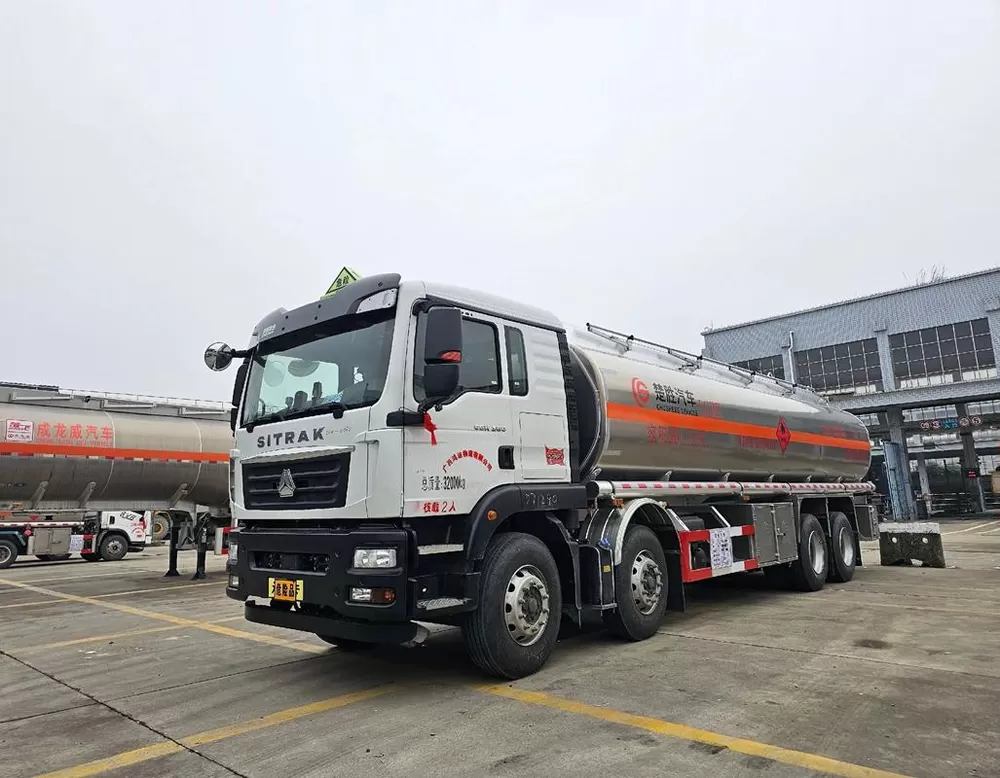
Upon completion of long-distance transport, it is equally important to inspect the operational status of the tanker truck's safety valve. Prolonged operation and vibration can potentially lead to safety valve malfunctions; therefore, timely inspection is mandatory:
4.1 Safety Valve Function Test
Once the tanker truck has come to a complete stop, perform another manual operation test on the safety valve to ensure that it opens promptly in the event of abnormal pressure, thereby releasing any excess pressure.
4.2 Leakage Inspection
Inspect the safety valve for any signs of leakage. If a leak is detected, immediate repairs or component replacements must be performed to eliminate potential safety hazards.
4.3 Corrosion Inspection
Due to potential exposure to various types of liquids during transport, the tanker truck's safety valve may be susceptible to corrosion. Inspect the valve body for rust or other signs of corrosion, and implement appropriate anti-corrosion measures.
4.4 Periodic Replacement of Sealing Components
After prolonged use, the safety valve's sealing components may age or become worn. Periodically inspect and replace these sealing components to ensure optimal sealing performance.
|
step |
Operation content |
Technical points |
|
1. Depressurize and allow to stand. |
After parking, close all loading and unloading ports and let standfor at least 30 minutes. |
Allow the pressure inside the tank to balance naturally, avoiding disassembly under pressure. |
|
2. Sealant Testing |
Extract the sealing fluid from inside the valve and observe its color and viscosity. |
If the substance isdark brown, emulsified, or contains water droplets, it mustbe completely replaced. |
|
3. Valve core mobility test |
Gently tap the side of the valve body with a wooden mallet and listen for a "click" sound. |
If there is no rebound sound, it means the valve core is stuck and needs to be disassembled and cleaned. |
|
4. Cleaning of discharge outlets |
Backflush with compressed air from the outlet for 5–10 seconds. |
Remove dust, metal shavings, and condensation. |
|
5. Rust prevention treatment |
high-temperature lithium-based greaseto metal contact surfaces such as valve stem threads and spring seats. |
UseMobilith SHC 100or equivalent chemical-grade grease;do not apply it into the sealed fluid cavity. |
To extend the service life of the tanker truck's safety valve, maintenance engineers should adhere to the following recommendations:
5.1 Periodic Inspection
It is recommended to conduct a comprehensive inspection annually to ensure that all functions of the safety valve are operating correctly.
5.2 Cleaning and Upkeep
Regularly clean the safety valve—particularly after the tanker truck has traveled through harsh environments or undergone long-distance transport—to promptly remove accumulated dirt and debris, thereby preventing any impairment to the valve's operational flexibility.
5.3 Timely Replacement of Worn Components
If the sealing elements, springs, or other components of the safety valve are found to be aged or damaged, they must be replaced immediately to ensure the proper functioning of the valve.
5.4 Anti-Corrosion Treatment
Conduct regular anti-corrosion treatments on the safety valve—particularly when transporting corrosive liquids—to maintain the valve body in good condition.
|
Fault phenomenon |
Possible reasons |
Investigation methods |
Solution |
|
Safety valve frequently trips |
Sealant evaporation, low liquid level |
Measure the liquid level; if it is <15mm |
Replace the sealant and check for aging of the seals. |
|
Low start -up pressure |
Spring fatigue and corrosion |
Test with a pressure calibration bench |
Replace the spring and send it to a professional organization for calibration. |
|
The valve core is stuck and not moving. |
Sealing fluid contamination, impurity deposition |
Disassemble and clean the valve core and guide sleeve |
After cleaning, wipe dry with a lint-free cloth and re-oil. |
|
Valve body oil leakage |
Aging of the sealing ring, improper installation |
Check flange gaskets and O-rings |
Replace with original factory seals and tighten according to torque specifications. |
|
Emission outlet icing |
In cold regions, moisture condenses. |
Check if the exit is frozen. |
Melt slowly with a heat gun; do not use open flame. |
The role of the safety valve on an oil tanker during transport cannot be overlooked; ensuring its proper operation is a critical measure for guaranteeing transport safety. Whether you are an oil tanker driver or a fleet manager, it is essential to conduct regular inspections and maintenance of the safety valves on your vehicles. This practice not only extends the service life of the equipment but also effectively prevents potential safety hazards. Through the information provided in this article, we hope to assist you in gaining a deeper understanding of the safety valve inspection and maintenance procedures, thereby enhancing both the safety and transport efficiency of your oil tankers.

