
Before daily operation, ensuring the safety and good condition of crane equipment after each use is crucial. The integrity of wire ropes and rigging directly determines operational safety. In busy working environments, cranes frequently carry heavy loads for lifting operations, and rigging and wire ropes, as key load-bearing components, endure enormous tensile forces and wear. According to statistics from the State Administration for Market Regulation, over 60% of crane accidents originate from wire rope or lifting equipment failure. To prevent safety accidents caused by equipment malfunctions, crane rigging and wire ropes require regular inspection and maintenance. This article, from the perspective of a maintenance engineer, details the inspection and maintenance work that should be performed on crane rigging and wire ropes after daily operation.
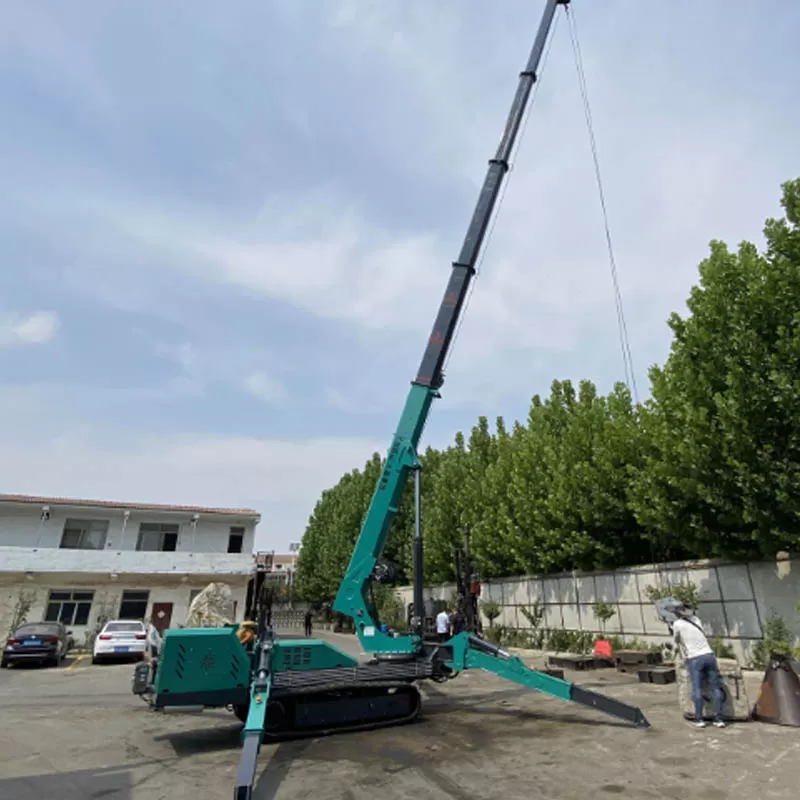
1.1 Overview of Rigging
Crane rigging mainly includes components such as slings, hooks, pulleys, and chains, which serve to support and pull heavy loads. Due to the prolonged traction of heavy loads, rigging will experience varying degrees of damage or wear during use, affecting equipment safety.
1.2 Inspection Contents
Visual Inspection: After each operation, the engineer must conduct a comprehensive inspection of the rigging surface, especially rigging connections, buckles, hooks, etc., to ensure there are no cracks, corrosion, or deformation.
Abrasion Inspection: Inspect the wear of the slings and chains, and whether the sling fibers are damaged or loose. Pay particular attention to the contact area between the ring chain and the hook, as this may cause severe wear due to friction.
Breakage Inspection: Use a tension gauge to check the breaking force of the rigging under heavy loads to ensure that the rigging will not break or deform under load.
Corrosion Inspection: Perform a corrosion inspection on the surface of the rigging components to prevent rust and corrosion caused by prolonged exposure to humid environments.
Wire Rope Inspection Standards and Methods
|
Inspection items |
Qualification Standard |
Criteria for determining scrapping |
Inspection methods |
|
Number of broken wires |
Within one lay length, the total number of steel wires is ≤10%. |
≥10% broken wires or more than 2 concentrated broken wires |
Observe with a magnifying glass and count the broken wire points. |
|
Diameter wear |
≤7% of original nominal diameter |
≥7% shrinkage or local flattening |
Use vernier calipers to measure and compare with the original data. |
|
Surface corrosion |
No obvious rust or pitting |
Depth > 10% of wire diameter or large area of rust |
Feel the roughness by touch and compare it with the luster of a new rope. |
|
Deformation and Damage |
No kinks, cage-like distortion, or rope core extrusion. |
If any of these conditions are present, the item will be scrapped. |
Visually inspect and gently pull to check for abnormal elasticity. |
|
Rope end fixed |
≥3 sets of rope clamps, with a spacing of ≥6d, and the clamp base is on the force-bearing side. |
Loose, missing, reversed, rope end slipped out |
Check the bolt tightening torque and measure the spacing. |
|
Lubrication status |
The surface oil film is uniform and not dry. |
The grease has dried out, turned black, and accumulated a lot of dust. |
Gently rub with your finger to check if any oil or sludge adheres. |
Note: d is the nominal diameter of the wire rope; "lay pitch" refers to the axial length of the wire rope in one revolution, usually 6 to 8 times the rope diameter.
Hook Inspection Standards and Methods
|
Inspection Items |
standard |
Detection methods |
|
Dangerous cross-sectional wear |
≤10% of original size |
caliper measurement of the thinnest part thickness |
|
Increased aperture |
≤15% of original size |
Compare the opening width of the new hook |
|
Cracks and Plastic Deformation |
No visible cracks or twists |
Inspect the hook neck and hook tail with a 10x magnifying glass. |
|
Static load test |
1.25 times the rated load, maintained for 10 minutes |
After unloading, the opening deformation is ≤0.25%. |
Shackle Inspection Operation Specifications
|
Inspection Items |
standard |
Operating Procedures |
|
Loose pin |
No axial movement |
Manually cranking the pivot pin produces no abnormal noise. |
|
Direction of force |
The force must be applied to the bent part and the cross pin. |
Lateral force or diagonal tension is strictly prohibited. |
|
Thread damage |
No stripped teeth, missing buckles |
Use a thread gauge to check; do not force tightening. |
|
Corrosion and Deformation |
No obvious rust or bending |
The surface should maintain a metallic luster. |
1.3 Maintenance Measures
Cleaning and Lubrication: During inspection, clean the surface and moving parts of the lifting equipment, remove dust and oil, and use appropriate lubricant to lubricate the chain and pulleys to reduce wear.
Apply Anti-corrosion Coating: Apply an anti-corrosion coating to the surface of the lifting equipment showing signs of corrosion to prevent further rusting.
Replace Damaged Parts: Replace any damaged or severely worn parts promptly to ensure the load-bearing capacity and safety of the rigging.
2.1 Wire Rope Overview
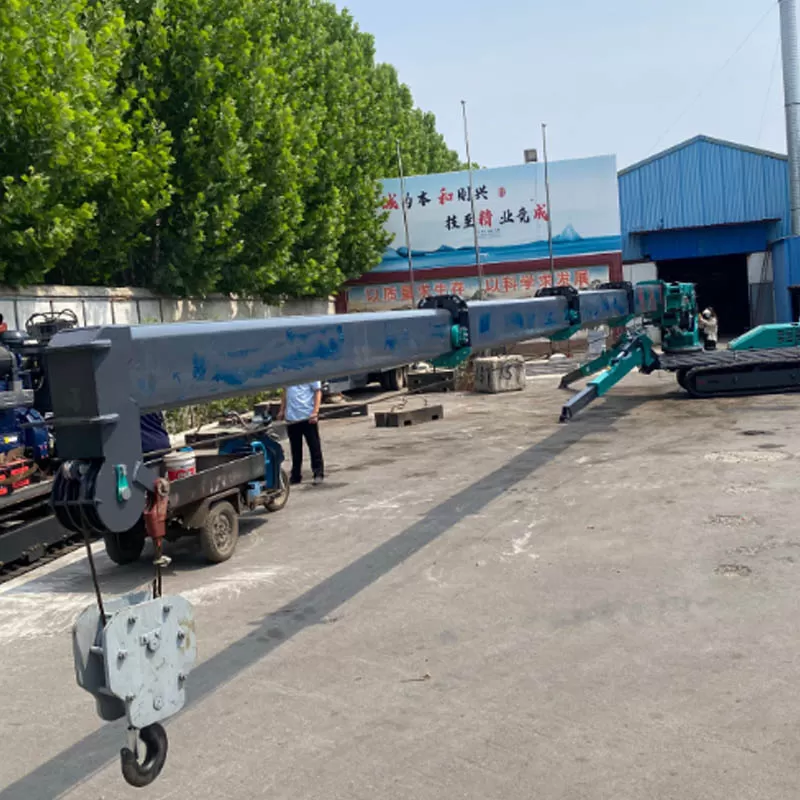
Wire rope is one of the most important load-bearing components of a crane, responsible for connecting the crane to the object being lifted and bearing the weight of the load. Damage to the wire rope can directly cause the crane to lose its lifting capacity and even lead to serious accidents.
2.2 Inspection Contents
Visual Inspection: Inspect the surface of the wire rope for obvious wear, broken wires, twisting, or deformation. Especially check the joints of the wire rope for looseness.
Broken Wire Inspection: Inspect the wire rope section by section to ensure there are no broken wires. Too many broken wires will significantly reduce the load-bearing capacity of the wire rope.
Corrosion Inspection: Wire ropes are often exposed to harsh environments, and moisture or chemicals can cause corrosion. Inspect the wire rope surface for rust, corrosion spots, or traces of rust.
Flexibility Inspection: The flexibility of the wire rope is crucial for crane operation. Check if the wire rope can rotate freely to prevent knots or tangles caused by blockages or interference.
Tension Test: Use a tension tester to perform a tension test on the wire rope to ensure it will not fail under working load.
2.3 Maintenance Measures
Cleaning and Rust Removal: Cleaning the wire rope surface is key to maintenance. Regularly remove oil and dust from the wire rope surface and thoroughly clean it with a wire rope cleaner. If rust is found, treat it with a rust remover.
Lubrication: After cleaning, lubricate the wire rope with professional wire rope lubricant. Lubrication helps reduce wear and prevent corrosion.
Adjustment and Replacement: Regularly check the length and tension of the wire rope to ensure there is no overstretching or slack. Replace any wire rope with broken strands or severe wear immediately.
Corrosion Prevention: Perform anti-corrosion treatment on the wire rope, especially when used in humid or harsh environments. Regularly apply anti-corrosion lubricant or coating.
Crane rigging and wire ropes are crucial components for ensuring the safety of lifting operations. Regular inspection and maintenance can effectively extend the service life of equipment, reduce the failure rate, and ensure a safe working environment. As a crane maintenance engineer, you must always maintain a high level of attention to rigging and wire ropes, performing timely maintenance and replacement to prevent equipment failures and accidents. Every inspection and maintenance task is a key link in ensuring the safe and stable operation of the crane.

