
Snowplows endure extreme conditions during winter snow removal, with heavy impacts, wear, and corrosion accelerating component aging. Improper maintenance can lead to blade breakage, hydraulic leaks, and bearing seizures. Therefore, scientific and systematic maintenance is not only crucial for extending equipment lifespan but also fundamental for ensuring on-site safety. The following details maintenance steps and operational precautions, incorporating typical industry practices and standards.
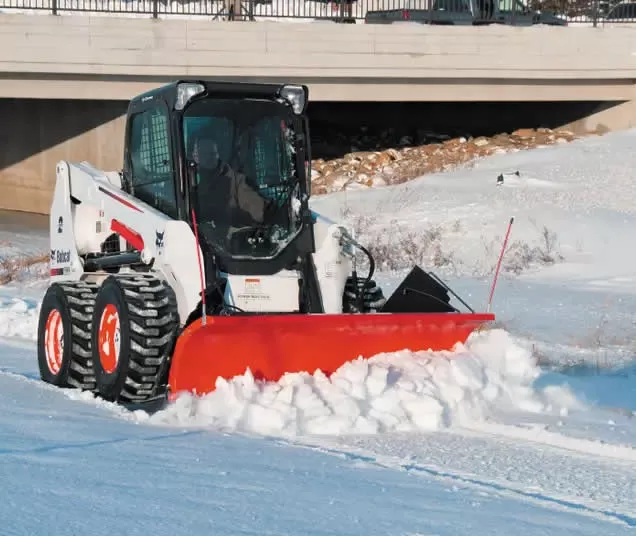
Any maintenance should begin with a thorough inspection—this is the first line of defense in preventative maintenance.
As maintenance engineers, we emphasize that the following checks should be performed on the snowplow before each operation:
Check that the connection between the snowplow and the installation vehicle is secure, and that all bolts and fasteners are tightened to the designed torque. Vibration during operation can easily cause connections to loosen.
Check the snowplow blades (cutting edges) for cracks, severe wear, or deformation. As the component most directly in contact with the road surface, the condition of the blades directly affects operational efficiency.
Inspect hydraulic hoses and joints for aging, cracks, or leaks. The health of the hydraulic system is crucial to the stability of the snowplow's lifting and angle control.
Check electrical wiring and control devices for cleanliness, corrosion resistance, and good contact. Poor contact can lead to slow response or even malfunction.
Confirm that work lights, warning lights, and other lighting equipment are functioning properly. These features are critical for safety in low-visibility snow conditions.
After a snowplow completes a round of work, it is often covered with mud, snow, salt, and gravel—all "invisible enemies" of corrosion and wear.
Clean the blades, frame, and hydraulic cylinder surfaces to remove adhering snow and salt. This helps prevent metal surface corrosion and subsequent component jamming. It is recommended to use low-pressure water or airflow for cleaning, avoiding direct high-pressure water jets onto electrical components.
Pay special attention to drying electrical connections and hydraulic quick couplings. Moisture and salt are key factors accelerating corrosion.
For snowplows that have been stored for a long time, apply a rust inhibitor after cleaning to enhance protection.
3.1 Blade and Ski Shoe Maintenance
Check the wear of the blade: If the edge wear exceeds 5mm, it must be repaired by welding or replaced immediately;
If the ski shoe wear exceeds 50% on one side, it can be turned over to extend its life;
Apply lithium-based rust-preventive grease to the back of the blade and the contact surface of the ski shoe to form an oil film to isolate moisture.
3.2 Pin and Connector Lubrication
Disassemble the pin connecting the snowplow blade and the frame, and clean the mud and sand from the hole with a cotton cloth;
Re-inject EP2 extreme pressure grease, ensuring that the grease overflows from the gap;
After reassembling, manually swing the snowplow blade to confirm that there is no jamming or abnormal noise.
3.3 Rust Prevention Treatment for Steel Structure
For areas with peeling paint or rust spots, sand them down to the natural metal color.
Apply epoxy zinc-rich primer + polyurethane topcoat to form a double-layer protection.
Key areas for protection: frame welds, outrigger bases, and hydraulic cylinder piston rods.
The hydraulic system is the core of the snowplow's lifting and tilting control. Its maintenance is crucial.
Regularly check the hydraulic oil level and quality, and replace with low-temperature hydraulic oil that meets the manufacturer's requirements when necessary. Dirty or water-absorbing hydraulic oil may cause unstable operation and premature component damage.
Inspect hydraulic hoses, joints, and seals; replace them promptly if there are signs of aging, cracks, or even minor leaks.
Air venting and system testing are also essential; air entering the system can cause control lag or even damage the pump.
Strict adherence to safety regulations is required during snowplow operation.
Operators should maintain high concentration and avoid distracted driving while the equipment is in motion.
During snowplowing, pay attention to the surrounding environment and try to avoid obstacles impacting the blades to prevent damage.
In areas with mixed traffic, ensure a moderate operating speed and avoid blindly accelerating snowplowing to prevent a sudden increase in load on the hydraulic system.
After the snow season, store the snowplow in a dry, well-ventilated environment to help prevent rust caused by moisture. Elevating it at least 15cm above the ground helps prevent moisture damage.
Avoid directly covering it with an impermeable dust cloth, as this will trap moisture and accelerate corrosion.
For long-term non-use, detachable hydraulic hoses and electrical connections should be stored separately and covered with dustproof covers to prevent components from freezing and being damaged.
Apply a thick layer of anti-rust grease (over 2mm thick) to all blades, pins, and hydraulic rods;
Completely cover the entire machine with a dust cover to prevent dust and moisture intrusion;
Remove the battery and charge it monthly, maintaining a voltage above 12.6V;
Fit dust caps to hydraulic hose connections to prevent dust from entering the system.
Maintaining a snowplow is not only a technically demanding task to reduce failure rates, but also essential for ensuring smooth, safe, and efficient on-site operations. From inspection, cleaning, and lubrication to hydraulic maintenance and operating procedures, these seemingly minor steps work together to support a snowplow's stable operation in harsh environments.
The lifespan of a snowplow does not depend on how many tons of snow it can push, but on whether you perform preventative maintenance after each operation. As a maintenance engineer, establishing a scientific, standardized, and quantifiable maintenance process is crucial for improving equipment utilization and customer satisfaction. Structured maintenance not only protects the machinery but also the safety of operators and the surrounding public.

