
Graders, primarily using blades and equipped with various interchangeable working devices, are earthmoving machines mainly used for land leveling and shaping. As an important piece of machinery in roadbed construction, they are mainly used for earthwork leveling, shaping, and compaction. Their safe operation directly affects construction efficiency and personnel safety. In complex construction sites, the use of graders not only requires high efficiency but also strict adherence to safety operating procedures to ensure the safety of construction personnel. Therefore, this article will analyze in detail the various safety precautions for graders in roadbed construction from the perspective of construction safety officers and drivers.
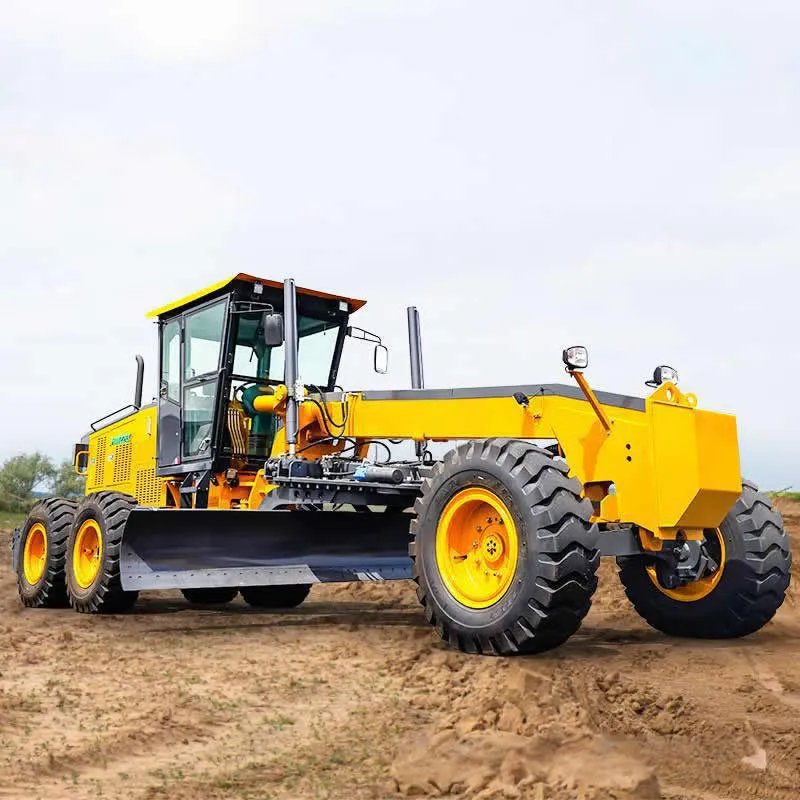
In roadbed construction, graders are mainly used in the following scenarios:
Roadbed base treatment
Embankment filling (height less than 1m)
Slope repair
Roadbed and ditch excavation
Mixing and spreading of road base materials.
The construction safety officer is the supervisor and manager of on-site safety production. Their primary responsibility is to formulate and supervise the implementation of safe operating procedures to ensure there are no major safety hazards at the construction site.
2.1 Formulating Safe Operating Procedures
The safety officer should formulate detailed operating procedures based on the grader's operating manual and the construction environment. The procedures should clearly include:
Equipment inspection before operation;
Protective measures during operation;
Checking the location of various stakes within the work area;
Confirming there are no obstacles around the grader;
Ensuring unauthorized personnel leave the work area;
Emergency handling procedures in case of emergencies.
2.2 Regular Safety Training
Regular safety training should be provided to construction personnel, especially the driver, including:
How to correctly operate the grader;
How to identify potential safety hazards;
Emergency handling methods in case of emergencies.
2.3 Construction Site Safety Inspection
The safety officer should regularly inspect the construction site, especially the grader's operating area, to ensure there are no obstacles, power lines, pipes, or other hazards, and to prevent collisions with other machinery or personnel.
2.4 Personal Protective Equipment Management
Ensure all operators wear appropriate personal protective equipment, including safety helmets, reflective vests, and work shoes. When working at heights, wear double-hook safety harnesses. Working under the influence of alcohol or while fatigued is strictly prohibited. A 15-minute rest is required after every two hours of continuous work, especially when operating a grader. Ensure the driver and surrounding personnel are away from danger zones.
As the operator of the grader, the driver must strictly adhere to safe operating procedures before, during, and after each operation.
3.1 Pre-Operation Inspection and Preparation
Equipment Inspection: The driver must conduct a comprehensive inspection of the grader to ensure the machinery is in good working condition. Inspection items include: braking system, hydraulic system, engine condition, tire or track wear, and checking the stability of all connections.
Tools and Accessories: Ensure all tools and accessories (such as scrapers and buckets) are securely fixed and not loose to prevent accidents during operation.
Fuel and Lubricating Oil Check: Check the fuel level and lubricating oil level to prevent equipment malfunction during operation.
3.2 Proper Operating Techniques
Starting and Stopping: Operate slowly when starting and stopping to avoid overloading the machinery. When stopping, choose a level location and place all levers of the grader in neutral.
Visibility During Operation: The operator should maintain good visibility and regularly check the surrounding environment to ensure no personnel or obstacles enter the work area. If necessary, a ground supervisor should be assigned to assist in directing operations.
Avoid Excessive Tilt Operation: When operating at large angles, the operator should exercise extreme caution to prevent the grader from tipping over. Avoid rapid changes in slope and direction during operation; maintain stability.
3.3 Safety During Travel
Speed Limits: The grader's travel speed should be adjusted according to the conditions of the work site. Especially in complex terrain or when other machinery is operating, reduce speed to avoid collisions or mechanical failures.
Preventing rollovers and tip-overs: Drivers should avoid excessive friction between the tires and the soil surface during grader operation, especially on steep slopes or soft soil. Reduce operating force to prevent rollovers.
3.4 Precautions in Special Operating Environments
Slippery Surfaces: When operating on wet or slippery surfaces or after rain, drivers should reduce speed to avoid the grader slipping or becoming uncontrollable due to slippery road conditions.
Night Operations: If night operation is required, drivers must ensure all lighting equipment (headlights, taillights) is functioning properly and maintain close communication with the ground supervisor to prevent accidents caused by poor visibility.
High or Low Temperature Environments: In extreme weather conditions, drivers should perform appropriate maintenance and inspections on the machinery to ensure normal operation in adverse weather conditions.
When encountering hard soil requiring loosening with a rake, the rake should be used slowly. When clearing snow, snow chains should be installed on the tires.
3.5 Emergency Measures During Operation
Fire and Explosion: In case of fire, stop the machine immediately and use a fire extinguisher to extinguish the fire source if possible. If the fire spreads, the driver should quickly evacuate to a safe area.
Equipment Failure: In case of equipment failure, the driver should immediately stop the machine, check the cause of the failure, and handle it according to the operation manual or safety officer's instructions. If the problem cannot be resolved independently, maintenance personnel should be notified immediately for repair.
Machine Injury: Standing within the working radius is strictly prohibited; an isolation zone must be established.
Electric Shock Risk: Temporary power supply uses a TN-S grounding protection system.
Collapse Accidents: Check the stability of the slope before leveling; if the slope exceeds 1:1.5, provide support first.
Object Strike: Throwing tools above the work area is strictly prohibited; materials should be piled away from the slope edge.
As an important piece of roadbed construction machinery, the safe operation of graders is paramount. From the construction safety officer to the driver, everyone needs to strictly adhere to the operating procedures to jointly ensure the safety of the construction site. By strengthening safety management and improving the safety awareness and skills of drivers, accidents can be effectively reduced, ensuring the smooth completion of construction tasks. Construction safety officers and drivers should each perform their duties to jointly maintain a safe environment at the construction site.

