
As a key piece of production equipment in forestry operations, timber harvesters endure the challenges of soil, wood chips, and high-intensity mechanical loads during daily operation. Proper maintenance not only ensures long-term stable operation but also reduces operating costs, improves production efficiency, and extends the service life of the timber harvester. This article will systematically analyze the key points of timber harvester maintenance from the perspective of a professional maintenance engineer, covering the overall machine body, hydraulic system, power system, and working components.
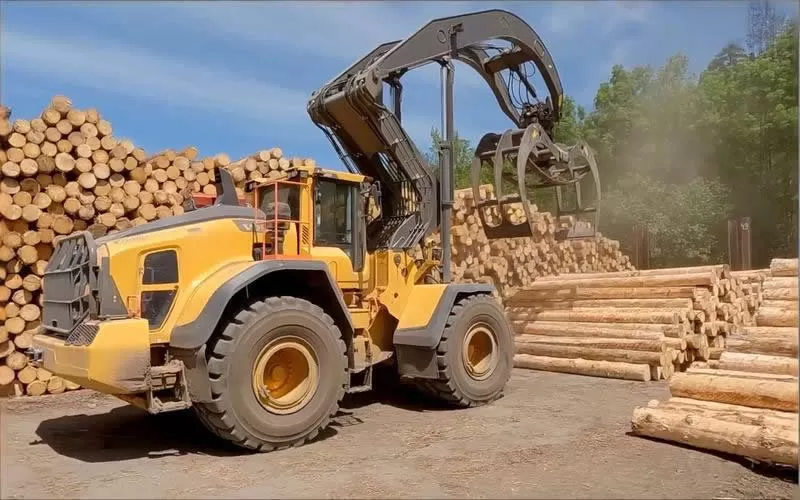
A timber harvester mainly consists of the following core systems:
Power System: Includes an engine (diesel engine or electric motor), transmission device (chain, belt, or hydraulic transmission), and control system.
Feeding System: Consists of a feed chute, pressure roller device, and conveyor belt, ensuring timber enters the cutting zone at a uniform speed.
Cutting System: Core components include a rotating cutting drum, multiple sets of blades (usually made of alloy steel), and a screen.
Collection System: Includes a blower, storage tank, and conveying device, responsible for collecting and storing the pulverized wood chips.
Hydraulic System: Provides power for hydraulic steering, working devices, etc. Key Component Maintenance Schedule Reference:
Engine Oil: Check and replace every 50-100 hours
Air Filter: Check and clean every 25-50 hours
Hydraulic Oil: Change every 200-500 hours
Drive Chain: Check lubrication every 100 hours.
The timber harvester operates year-round in muddy, sawdust-filled environments in the forest, easily accumulating a large amount of foreign matter on its surface and inside. A thorough cleaning must be performed after each day's operation, including key areas such as the frame, hydraulic cylinders, gripping mechanism, and chassis. Removing mud and sawdust not only prevents corrosion but also makes it easier for engineers to identify potentially loose or damaged parts. Regular visual inspections are an important step in zero-failure maintenance.
The hydraulic system is the core of the timber harvester, enabling gripping, lifting, and rotating actions. The cleanliness of the hydraulic oil and the condition of the hydraulic components directly affect the equipment's accuracy and lifespan. The key points for professional maintenance are as follows:
Check hydraulic oil level and quality: Maintain the hydraulic oil within the normal range and change the oil regularly to prevent accelerated wear of internal components due to oil contamination or deterioration. Change the hydraulic oil every 200 hours.
Clean the filter element and replace old parts: The hydraulic filter element is the first line of defense against contaminants entering the system and must be replaced according to the manufacturer's recommended replacement schedule.
Inspect oil pipes and joints: Cracks, leaks, or loose joints in hydraulic hoses will cause pressure loss or even system failure and must be replaced immediately.
Hydraulic system maintenance not only focuses on the oil and hoses but also involves checking for abnormal noises or leaks in components such as the oil pump and cylinders.
The engine is the power source of the entire machine, and maintaining its good condition is the foundation for long-term stable operation of the equipment. During the break-in period (first 50 hours) of a new machine, check the engine oil every 50 hours. After normal use, check and change the engine oil every 100 hours.
Engine Oil and Filter Management: Regularly change the engine oil and oil filter to ensure proper lubrication. Metal shavings and dirt in the engine oil accelerate wear on critical components. The oil filter needs to be replaced every 500 hours.
Air Filter Cleaning: The dusty environment of forestry makes air filters prone to clogging, affecting engine intake efficiency. Therefore, frequent cleaning or replacement is necessary.
Cooling System Inspection: Keep the radiator and cooling fins clean and unblocked to ensure the engine does not overheat under high load. Regularly check the coolant and fuel filter.
Systematic maintenance also includes periodic checks of modules such as the fuel system and ignition system. Professional engineers typically develop maintenance plans based on usage intensity, rather than simply following schedules.
The grabbing mechanism, hinges, and high-wear parts of the timber harvester are key areas for maintenance.
Lubricate the grabbing and hinge points: Frequently moving parts must be adequately lubricated to reduce friction, wear, and metal fatigue. Professional lubrication plans are usually set based on working hours rather than calendar cycles.
Check for wear on the gripper teeth and pads: The jaws and gripper teeth used to grip timber are prone to wear due to high-intensity shearing operations. Replace them promptly if deformation or excessive wear is found.
Check component tightness: Vibration and cyclic loads can gradually loosen bolts and pins. Professional engineers will inspect and retighten critical connections during each maintenance check.
Regularly checking the gripper for wear and deformation is crucial to preventing accidental failures.
The chassis, tires, or track system of the timber harvester provides support and mobility for the entire machine.
The chassis should be inspected for cracks and deformation at weld points. Tires should be kept at proper air pressure and inspected for sidewall damage. For tracked models, track tension and wear should also be checked regularly. Proper tire and track maintenance improves mobility and stability.
A mature maintenance system not only focuses on hardware but also establishes detailed maintenance records, including the content of each inspection, problems found, maintenance measures taken, and parts replacement history. Long-term data accumulation can help predict potential faults and optimize maintenance cycles, a crucial method for engineers to improve equipment reliability.
|
Fault phenomenon |
Possible reasons |
Repair methods |
|
The device does not start. |
Power failure, blown fuse, damaged switch |
Check the power supply line and replace the fuse or switch. |
|
abnormal vibration |
Uneven wear of hammer blades and loose anchor bolts |
Install the hammers symmetrically and tighten the bolts. |
|
Poor material discharge |
Screen clogging, hammer wear, excessive feed rate |
Clean the screen, control the feed speed, and replace the hammers. |
|
bearing overheating |
Insufficient lubrication, excessively tight belt, damaged bearing |
Add lubricating oil, adjust belt tension, and replace bearings. |
|
Slow-moving train |
Clogged discharge port, slipping conveyor belt |
Clear blockages, adjust or replace belts |
While routine maintenance is important, scheduled professional inspections at specific intervals are equally indispensable. In-depth inspections by professional technicians can identify subtle problems and accurately repair them, effectively preventing small issues from escalating into major failures. In addition, when equipment is not in use for extended periods, it should be stored in a dry, rain-protected environment to reduce corrosion and environmental damage. It is recommended to establish equipment maintenance files to record each maintenance and repair, providing a basis for equipment management.
The maintenance and upkeep of timber harvesters is a systematic project, requiring a multi-faceted approach from daily cleaning to systematic inspections and professional record management. The responsibility of professional engineers is not only to execute maintenance plans but also to deeply understand the equipment's operating principles and failure modes, ensuring efficient and safe operation of the equipment in the complex forestry environment.

