
Graders, as essential machinery in earthmoving construction, are widely used for leveling roads, airport runways, embankments, and other surfaces. Due to their complex working environment and heavy workload, post-operation maintenance is crucial, directly impacting equipment lifespan, construction efficiency, operational performance, and safety. This article, from the perspective of professional maintenance engineers and after-sales service, provides a detailed analysis of the maintenance and care required after grader operation and summarizes relevant precautions.
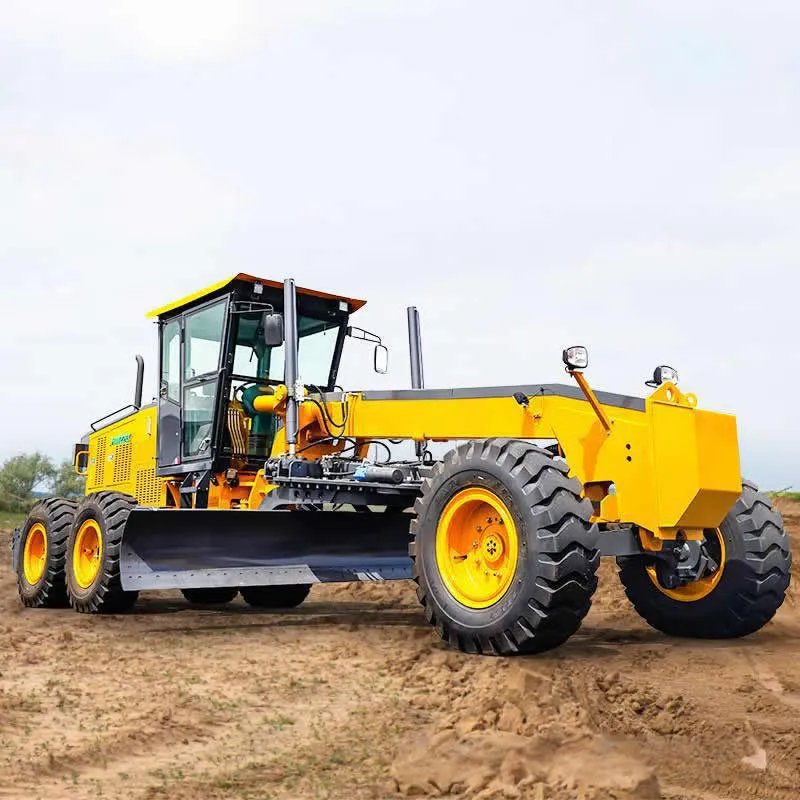
After grader operation, maintenance should be performed according to the following standard procedures:
Cleaning and Inspection: Remove dirt and oil from the equipment surface, and check the tightness of all component connections.
Lubrication and Maintenance: Add grease to key lubrication points.
Fluid Fluid Inspection: Check the levels and quality of engine oil, hydraulic oil, and coolant.
Filter Inspection: Check the condition of the air filter, oil filter, and fuel filter.
Travel System Inspection: Check tire pressure and track tension.
Working Device Inspection: Check the wear of the scraper blades and the sealing of the hydraulic system.
2.1 Hydraulic System Inspection and Maintenance
The hydraulic system is one of the core components of the grader. Long-term high-load operation can easily lead to aging and leakage of the hydraulic oil. It is recommended to perform the following checks after each day's operation:
Hydraulic Oil Level: Check if the hydraulic oil level is within the normal range. If it is below the standard level, add the specified type of hydraulic oil promptly.
Hydraulic Oil Quality: Regularly check the color and cleanliness of the hydraulic oil. If it becomes cloudy, discolored, or contains metallic particles, replace it immediately.
Pipeline Inspection: Inspect all hydraulic lines and joints for leaks, wear, or aging. Replace or repair any problematic lines immediately.
2.2 Engine and Motor Maintenance
The grader's engine often operates under high load. Maintaining good engine condition is crucial for the grader's performance.
Oil Check: Check the oil level every 50 hours of operation. If the level is low, add oil. Change the oil every 300 hours and check the oil filter. Change the oil every 250 hours or 3 months (whichever comes first), using oil of the viscosity grade recommended by the manufacturer.
Air Filter: Due to the dusty working environment, the air filter is prone to clogging. Check the air filter before and after operation, cleaning or replacing it as necessary. Clean it every 50 hours and change it every 500 hours.
Cooling System Inspection: Check coolant level and quality to prevent engine overheating. Change the coolant every six months. Check coolant level and quality every 500 hours to prevent corrosion and scaling.
Fuel System: Use clean diesel fuel and replace the fuel filter every 500 hours.
2.3 Transmission System Maintenance
The grader's transmission system involves several key components, such as the gearbox, differential, and driveshaft. The proper functioning of these components directly affects the grader's power output and operating efficiency.
Transmission Fluid Inspection: Check the fluid levels in the gearbox and differential to ensure they are clean and at the correct level. It is recommended to change the transmission fluid every 500 hours of operation, or once a year.
Oil Temperature Control: The operating temperature should be maintained between 30-60℃.
Drive Belt Inspection: Check the drive belt for looseness or wear. Adjust or replace it immediately if any problems are found.
Seal Inspection: Regularly check the sealing of cylinders, joints, and other components.
Filter Replacement: Replace the hydraulic oil filter every 500 hours.
Transmission fluid: Change every 1000 hours.
Torque converter check: Regularly check oil level and quality.
Drive axle maintenance: Check gear oil every 500 hours.
Clutch adjustment: Maintain a 2.5mm clearance between the release disc and release bearing.
3.1 Cleaning the machine surface
After operation, the grader's surface is usually covered with soil, stones, and other debris. If not cleaned promptly, this buildup will affect its heat dissipation and lifespan.
Use a high-pressure water gun to clean the grader's exterior, especially the blades, body, and tire area. Avoid spraying high-pressure water directly onto electrical components and the engine.
3.2 Cleaning the exhaust system
After prolonged operation, the exhaust system easily accumulates soot, dust, and other debris. Regularly clean the exhaust pipes and muffler to ensure good exhaust performance.
4.1 Blades and Cutting System
Blades are a critical component of the grader. Prolonged operation can lead to wear or bending, affecting work quality.
Check blade wear: Every 500 hours of operation, check the blades for significant wear or damage. Replace or resharpen as necessary.
Blade angle adjustment: Adjust the blade angle appropriately according to the working environment to ensure optimal cutting performance.
4.2 Tires and Walking System
Tire condition directly affects the grader's stability and operating efficiency.
Tire pressure check: Maintain tire pressure within the manufacturer's recommended range. Insufficient or excessive tire pressure will affect the grader's performance and tire lifespan.
Check tire wear: Regularly check tires for severe wear or cracks. Replace tires immediately if problems are found.
4.3 Electrical System Inspection
The maintenance and upkeep of the electrical system are crucial, as many functions of the grader rely on electrical controls.
Battery Maintenance: Check the battery charge and terminals for corrosion. Clean the battery terminals regularly and ensure there are no leaks.
Electrical Wiring Inspection: Check for loose electrical wiring and ensure all electrical components are functioning properly.
5.1 Safety Device Inspection
The grader is equipped with multiple safety devices, such as the braking system, warning lights, and protective covers. These devices should be thoroughly inspected before and after each operation to ensure they are in good working order.
Braking System: Check that the brake fluid is sufficient and that the brake pads are not worn to their limit. Ensure the braking system is sensitive and reliable.
Warning System: Check that lights, alarms, and other devices are functioning properly to ensure sufficient visibility and warning effect at the work site.
5.2 Operational Safety
When operating the grader, strictly adhere to the operating procedures to avoid equipment damage or personal injury due to improper operation.
Regular Operator Training: Ensure operators understand the grader's working principles and safe operating procedures. Conduct regular safety training and drills.
Work Environment Safety: Ensure the work area is free of obstructions to prevent accidental collisions or equipment damage.
|
Problem |
Possible reasons |
Solution |
|
Difficulty starting the engine |
Fuel system has clogged air/filter |
Purge air and clean oil lines or filters. |
|
abnormal oil pressure |
Insufficient engine oil/Clogged filter |
Check the engine oil level, and clean or replace the filter. |
|
Hydraulic system overheating |
Oil contamination/cooling system malfunction |
Change the hydraulic oil and check the cooling system. |
|
Weakness in walking |
Insufficient or leaking transmission fluid |
Check oil level and repair leaks. |
|
The scraper moves slowly |
Hydraulic systems have wear on air/oil pumps. |
Bleed the air and check the condition of the oil pump. |
|
Maintenance items |
Cycle (hours) |
Standard Operating Procedures |
|
Daily maintenance |
Each class |
Cleaning, oil level check, fastener inspection |
|
Level 1 maintenance |
50 |
Replace the air filter and lubricate key components. |
|
Level 2 maintenance |
250 |
Change engine oil and oil filter |
|
Level 3 maintenance |
500 |
Replace the hydraulic oil filter and inspect the transmission system. |
|
Overhaul and maintenance |
2000 |
Complete disassembly and inspection, replacement of worn parts |
Maintenance and upkeep of graders are crucial for their long-term efficient operation. Regular inspections and timely maintenance can significantly improve the grader's operating efficiency and lifespan, reduce equipment failure rates, and ensure construction efficiency. As professional maintenance engineers, understanding and implementing various maintenance measures not only ensures the normal operation of the equipment but also minimizes maintenance costs and improves the safety and efficiency of engineering operations.

