
Lawn mowers may seem simple, but their internal structure and external working environment present significantly different challenges in different seasons. Whether you are a lawn mower user or a lawn mower repair technician, understanding these seasonal differences helps extend equipment life, improve work efficiency, and ensure operator safety. The following details the maintenance work and precautions for each of the four seasons: spring, summer, autumn, and winter.
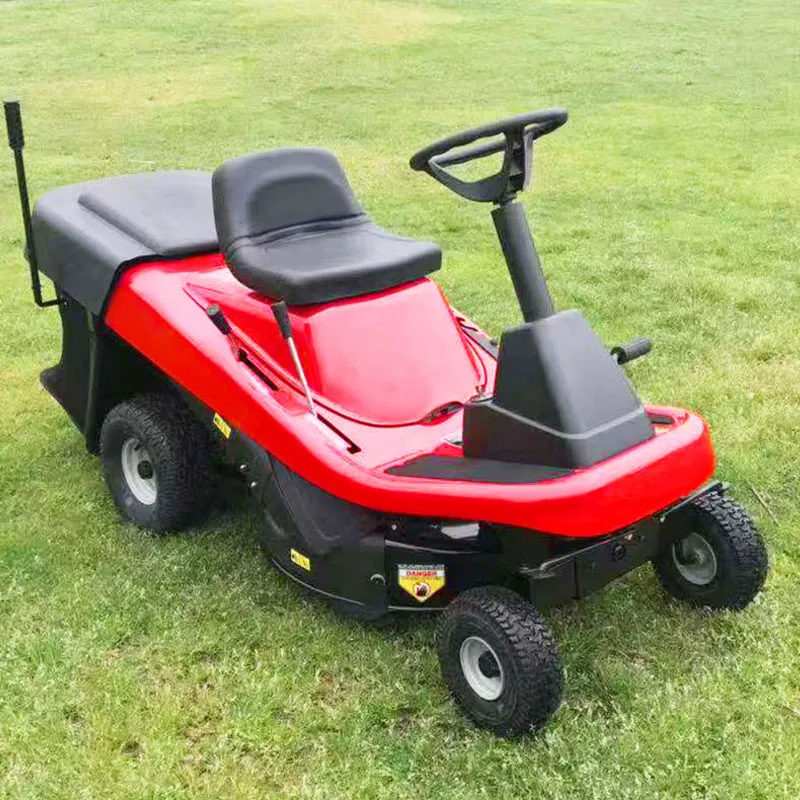
Spring is the first major test for lawn mowers after long periods of inactivity and also the start of the entire working season. Therefore, spring maintenance should be the most comprehensive and meticulous.
1.1 Cleaning and Inspecting the Engine System
After winter storage, the engine may contain residual old oil, deposited dirt, or slight corrosion. First, check if the oil has deteriorated. Replace the oil and filter if necessary to keep the lubrication system clean and unobstructed.
1.2 Fuel System Treatment
For first-time use after long-term storage, check if the fuel (for gasoline lawn mowers) has deteriorated. Replace it if it has. Electric lawnmowers should have their battery levels checked; those not used for extended periods need to be recharged and activated. Use fresh gasoline, adding fuel stabilizer if necessary to prevent old fuel from depositing in the fuel system and clogging the carburetor. For lawnmowers that have been parked for a long time, it is recommended to check the fuel lines and carburetor for leaks before operation.
1.3 Replace Wear Parts
Spring is a period of frequent engine starts. Replacing wear parts such as spark plugs, air filters, and fuel filters can significantly improve starting performance and engine efficiency.
1.4 Blade Treatment and Safety Inspection
Grass grows rapidly in spring, requiring frequent mowing. Check the blade wear and sharpen or replace them if necessary. Blades should be reflashed or replaced in spring, as worn blades result in poor cutting performance and are prone to vibration; also check if the blade fixing bolts are loose. The cutting device is the core component of the lawnmower; ensure it is free of cracks and deformation.
1.5 Air Filter Cleaning
Spring brings more dust; thoroughly clean the air filter to prevent dust and impurities from entering the engine. The filter element can be cleaned by washing with water.
1.6 Safe Operation Before Start-up
Check the oil level, fuel valve, and starter rope mechanism for smooth operation. If using an electric starter, confirm the battery voltage is normal and check the wiring for corrosion.
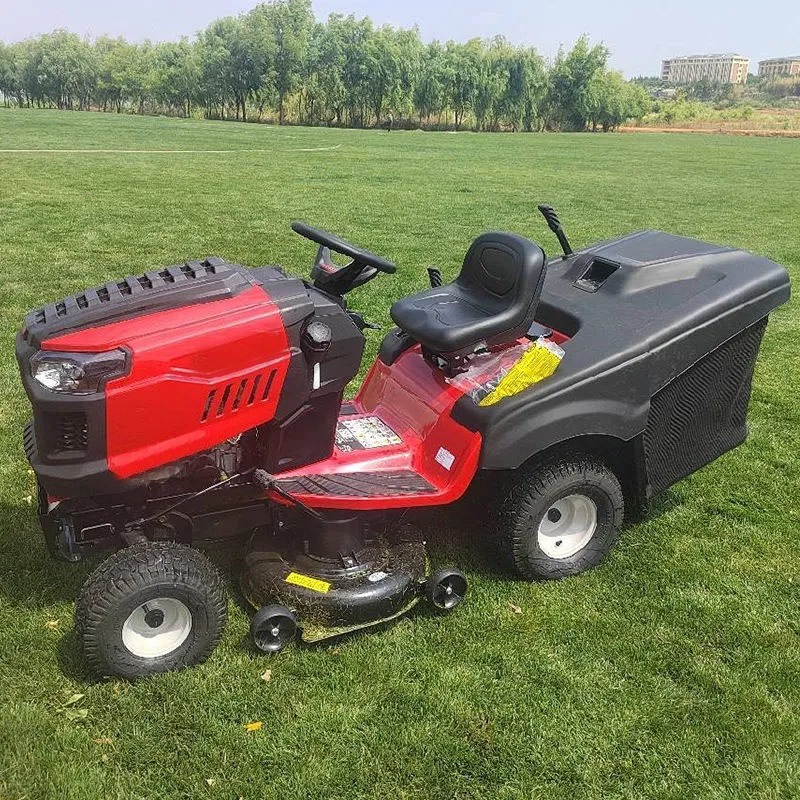
Summer is often the peak growing season for lawns, and lawnmowers also enter a high-load working phase. Maintenance under high-temperature and high-intensity use focuses on maintaining equipment stability and smooth heat dissipation.
2.1 Cleaning the Bottom of the Lawnmower and the Blade Head
During frequent mowing, grass clippings and dirt will continuously accumulate at the bottom of the equipment and around the blade head. Regular cleaning not only helps cutting performance but also reduces fire hazards. Use compressed air or a soft brush for cleaning. Clean the lawnmower promptly of dirt and weeds to prevent poor heat dissipation. Excessive oil buildup on the engine exterior can affect heat dissipation and requires cleaning with a special cleaning agent.
2.2 Checking Fluids and Engine Oil Temperature
In summer, when temperatures are high, use diesel fuel with a higher freezing point and prevent oil leaks. Use summer-grade lubricating oil, check oil quality frequently, and change it promptly. Prolonged high-temperature operation may cause oil deterioration or insufficient lubrication. Increase oil change frequency as needed and monitor oil temperature to avoid accelerated engine wear due to insufficient lubrication.
2.3 Pay Attention to the Cooling System and Ventilation
Clean the agricultural machinery radiator promptly to maintain good heat dissipation. Regularly check the coolant level and add coolant as needed. For lawnmowers with engine cooling fans or ducts, ensure the air intake is unobstructed in summer. High temperatures reduce engine efficiency and increase wear.
2.4 Tire and Transmission Inspection
In summer, tire inflation pressure should be 2-3% lower than the standard pressure. Avoid prolonged exposure to strong sunlight. If the lawnmower is wheeled, check tire pressure; low pressure may increase towing burden and affect handling. Check the drive belt for looseness or cracks if necessary.
Autumn is the end of the mowing season and a crucial period for preparing for winter storage.
3.1 Lower the Mowing Height Appropriately
As growth slows, lowering the lawnmower blade setting height is beneficial for the final mowing runs and reduces the accumulation of excessively long grass stalks.
3.2 Thorough Cleaning and Drying
Grass clippings, leaves, and debris accumulating inside the machine easily absorb moisture and cause corrosion. The chassis and blade area should be thoroughly cleaned in autumn.
3.3 Check and Adjust the Fuel System
As temperatures drop in late autumn, a stabilizer can be added to the fuel to prevent gasoline deterioration. If the machine is not expected to be used for an extended period, the fuel tank can be drained and the engine run until the fuel is depleted. This prevents the accumulation of aging substances inside the carburetor. Drain the diesel fuel from the tank, clean the tank to remove sediment from the bottom, and add fresh diesel fuel. Check the diesel filter, carburetor, and fuel line.
3.4 Sharpen the Blades for the Final Round
Keeping the blades sharp before the end of autumn work provides a good foundation for the final maintenance before winter storage and saves sharpening time in the following spring.
3.5 Change Engine Oil
Change the engine oil in the engine block, clean the oil filter and oil filter element, and replace or clean the filler cap filter. Check the oil level in all lubrication points, and add grease to bearings, drive shafts, and front and rear axle lubrication points.
3.6 Mechanical Component Inspection
Check valve clearances (intake valve 0.1mm, exhaust valve 0.15mm), steering mechanism ball joints, and tie rod clearances; adjust as necessary.
Winter is typically the lawnmower's "dormant period," but maintenance during this time directly affects the ease of starting and the equipment's lifespan in the following spring.
4.1 Thorough Winter Maintenance
Before parking the lawnmower, clean away any remaining weeds and dirt, then apply rust-preventive lubricant to metal parts to resist corrosion caused by the humid environment.
4.2 Fuel Treatment
As mentioned earlier, completely emptying the fuel tank or adding fuel stabilizer is the core of winter maintenance. In areas with extremely low temperatures, residual fuel may freeze and swell the fuel lines and carburetor components, causing damage. Drain the fuel from the tank and start the engine until it shuts off due to fuel exhaustion. Drain the engine oil while the engine is warm.
4.3 Battery Maintenance
If the lawnmower is battery-operated or electric, it is recommended to remove the battery during winter and store it in a dry, temperature-stable indoor environment, maintaining an appropriate charge. Cold weather accelerates battery discharge and damages the cells. Perform a slow charge maintenance once a month to keep the battery fully charged.
4.4 Dry Storage
Store the machine away from moisture; prevent rust and avoid contact with corrosive substances. Clean and dry the machine body, and apply a small amount of machine oil to the blades to prevent rust. Grease the gearbox and apply rust-preventive oil or paint to metal parts.
4.5 Periodic Inspection
Even during long periods of non-use in winter, it is recommended to check the fuel level and battery charge monthly or every two months, and briefly start the machine for a few minutes to maintain system lubrication.
Regardless of the season, routine maintenance of lawnmowers follows these principles:
5.1 Power/Fuel Disconnection Before Maintenance
Always disconnect the power and disconnect the spark plug wires (or disconnect the battery) before performing any maintenance to avoid accidental starting and potential injury.
5.2 Follow the Manufacturer's Manual
Maintenance cycles and oil types vary between brands and models; always prioritize referring to the machine's user manual.
5.3 Safety First
Wear gloves, safety glasses, and other protective equipment during maintenance, especially when cleaning the blades and handling sharp parts.
Through this systematic overview of lawnmower maintenance and operation precautions for spring, summer, autumn, and winter, it's clear that seasonal maintenance affects not only mechanical performance but also safety and lifespan. As professional maintenance technicians, understanding these details can help users reduce malfunctions, improve on-site work efficiency, and extend the lawnmower's service life.

