
With the arrival of winter, snowplows, as essential snow removal equipment, play an indispensable role. To ensure the equipment operates efficiently and safely in cold, humid environments, winter maintenance and rust prevention are crucial. This article will introduce how to maintain the optimal working condition of snowplows from aspects such as equipment maintenance, upkeep, and rust prevention.
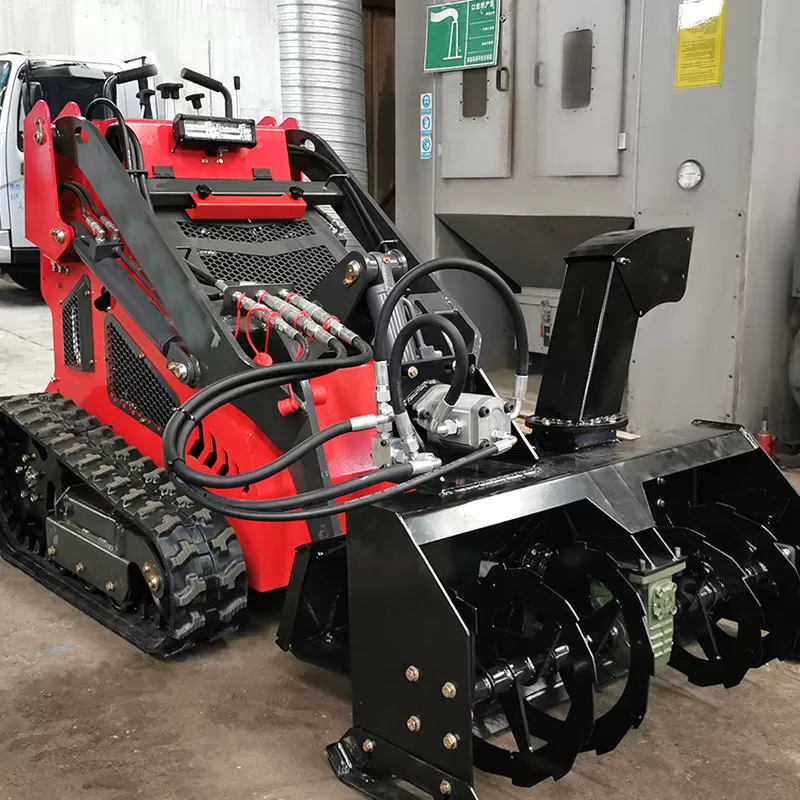
A thorough inspection and maintenance of the snowplow before winter can effectively extend its service life and prevent malfunctions during winter operations. The following are some basic steps for winter maintenance:
1.1 Cleaning the Snowplow
After each operation, immediately remove snow, ice, and salt stains from the blades, auger, housing, and transmission components. High-pressure water guns are strictly prohibited to prevent water pressure from seeping into bearings, motor interfaces, and electrical wiring. It is recommended to use a soft brush and low-pressure clean water for rinsing, followed by wiping with a dry cloth.
1.2 Checking and Replacing Hydraulic Oil
The hydraulic system is one of the core power systems of the snowplow. In low-temperature winter conditions, changes in hydraulic oil viscosity can affect the snowplow's performance. It is recommended to check the hydraulic oil quality and replace it with hydraulic oil suitable for low-temperature environments as needed.
1.3 Check the Scrapers and Blades
The scrapers and blades are the parts of the snowplow that directly contact the snow. After a season of use, they may show wear. Regularly check the wear of the scrapers and blades, and replace damaged or severely worn parts promptly to maintain good snow-clearing performance.
1.4 Check the Electrical System
Low-temperature environments may cause electrical system malfunctions. Check the battery level and ensure it is fully charged. For electrical wiring, check for aging, corrosion, or damage, and repair or replace as necessary.
1.5 Check the Drive System
The drive system is another critical part of the snowplow, and ensuring its proper functioning is essential for its performance. Check the working condition of components such as the drive belt, chain, and drive shaft, and adjust or replace any problematic parts promptly to ensure smooth power transmission.
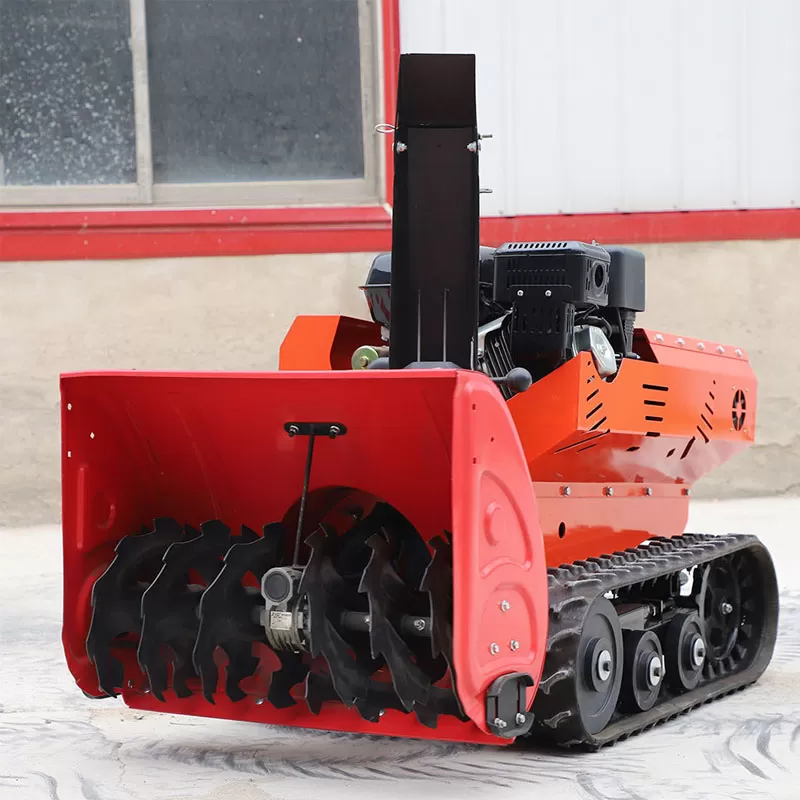
Moisture, salt, and low temperatures in winter are often the main causes of rust on snowplows. Therefore, rust prevention is an essential part of winter maintenance. Here are some effective rust prevention measures:
2.1 Clean and Dry the Equipment
After using the snowplow, promptly remove any residual snow, ice, and salt. Accumulated snow and salt accelerate corrosion of metal parts, especially during periods of downtime. Use a high-pressure water gun to clean the equipment surface, then wipe it dry with a clean cloth, ensuring no moisture remains. Wipe steel parts such as blades, bolts, and supports with anhydrous ethanol or a desalinant to remove residual de-icing agents (NaCl, CaCl₂).
2.2 Apply Rust-Preventive Oil or Wax
Applying rust-preventive oil or wax to the metal surfaces of the equipment is an effective way to prevent rust. Rust-preventive oil and wax form a protective film, isolating air and moisture and reducing oxidation. Parts that frequently come into contact with the outside environment, such as blades and scrapers, require particularly thorough rust prevention treatment.
New equipment/rust-free areas: Apply epoxy rust-preventive primer (such as 3M™ Scotch-Weld™ EPX) or paraffin-based rust-preventive spray (such as CRC 5-56);
Rusted areas: First, sand with fine sandpaper (P400) until the metal is exposed, then apply a rust converter (such as Rust-Oleum Rust Reformer), and after it cures, cover with a polyurethane topcoat;
2.3 Using Rust-Preventive Spray
Spraying rust-preventive spray on each metal contact point of the snowplow (such as hinge points, blade edges, etc.) forms a protective film, preventing moisture and salt penetration. Rust-preventive sprays typically contain polymer components that form a durable protective layer on the metal surface, slowing down the corrosion process.
2.4 Choosing a Storage Environment
If the snowplow is not used during the winter, it is best to store it in a dry, well-ventilated environment, avoiding exposure to moisture or salt spray. If possible, cover the equipment with a covering to reduce the intrusion of air moisture.
In addition to regular major maintenance, routine inspections are also crucial. After each use, check the equipment's cleanliness, lubrication, and for any looseness or wear. Especially in inclement weather, ensure the equipment receives proper maintenance before and after each operation to guarantee smooth operation.
Through meticulous winter maintenance and rust prevention, snowplows can maintain excellent performance and reliability under extreme weather conditions. As snowplow maintenance engineers, we must always pay close attention to the equipment, promptly identify and resolve potential problems, and provide every user with the safest and most efficient equipment support.

