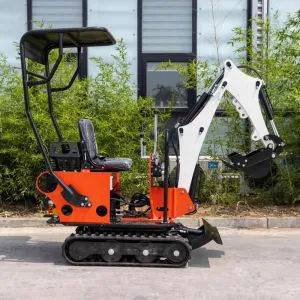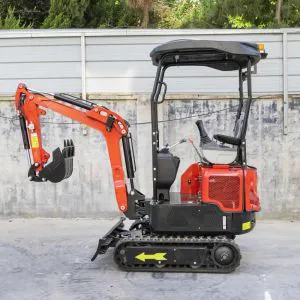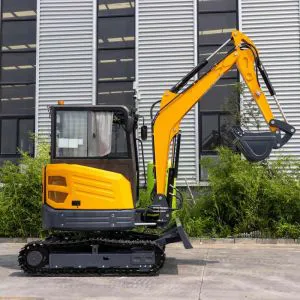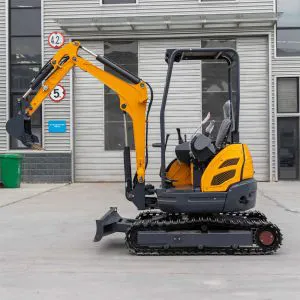
Excavators (191 vehicles for sale)

Show description

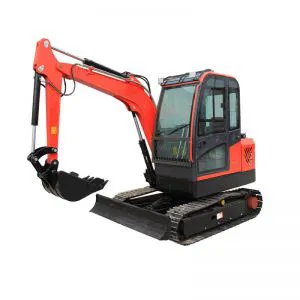
Excavator is a kind of engineering machinery with high efficiency and powerful function, it is an important equipment in engineering machinery, suitable for earth excavation, handling, crushing and other tasks, its structure and configuration vary according to the working environment and task requirements, and it is widely used in the fields of construction, mining, transportation, port, mining, agriculture and so on. It mainly carries out earth excavation, crushing, lifting, loading and other tasks through attachments such as robotic arms and buckets. The power source of the excavator is usually an internal combustion engine (diesel or electric), and relies on the hydraulic system to control the movements. Excavators can be categorized into tracked, wheeled, mini, heavy and other types according to their working methods and designs

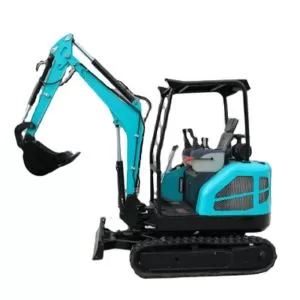
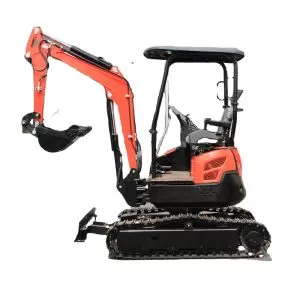
Mini Excavator

Mini Excavator is a small, compact excavator suitable for working in narrow spaces, such as urban construction and demolition, gardening and so on. Despite its small size, its hydraulic system and power system can also provide enough working capacity and flexible operation.

Wheel Excavator

Wheel excavator adopts wheeled chassis, which is suitable for high speed driving on smooth road. Compared with tracked excavators, it has better mobility and is suitable for handling and operation in city construction, highway and other engineering projects.

Medium-sized Excavator

Medium-sized excavator is suitable for medium-sized construction and civil engineering projects, usually with high working efficiency and strong load capacity. It is widely used in urban construction, mining and other medium-sized operating environments.

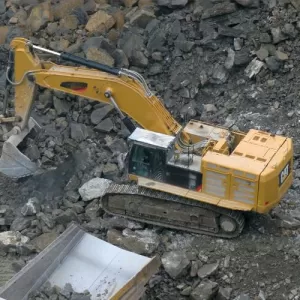
Large Excavator

Large excavator is suitable for heavy earthmoving operations and is usually used in large-scale mining, large-scale infrastructure construction, harbor works and so on. They have a powerful power system and oversized buckets, enabling them to complete large-scale operations efficiently and quickly.

Crawler Excavator

Crawler Excavator adopts crawler chassis with strong stability, which is suitable for rugged terrain, soft ground or muddy environment. It has a large traction and ground contact area and can maintain stable work in harsh conditions.

Excavator Attachments

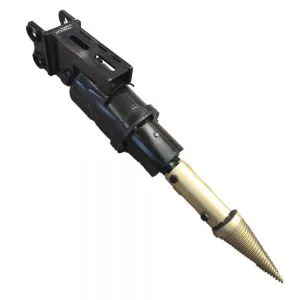
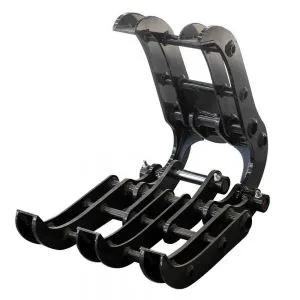
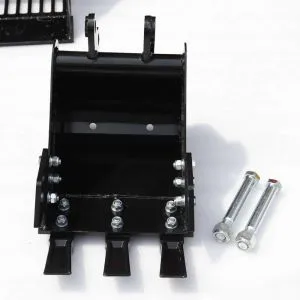
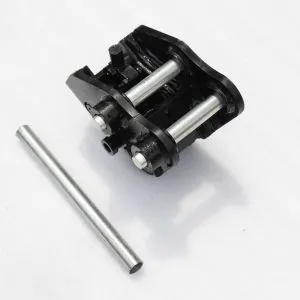
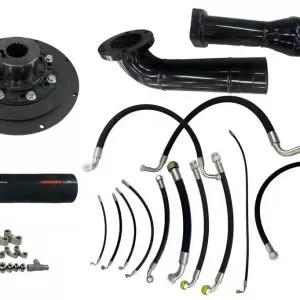
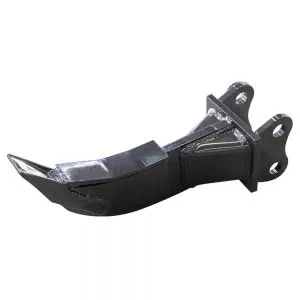
Excavator attachments are the key part of the excavator to realize multi-functional operation. Common attachments include crushing hammers, grapples, rotary drills, graders and so on. These attachments can be customized according to different operational needs, improving the flexibility and adaptability of the excavator.

China 8Ton wheeled small excavator

China 8Ton wheeled small excavator

US$4400-5000
Min. Order : 1
China 6ton crawler mini excavator

China 6ton crawler mini excavator

US$3800-5500
Min. Order : 1

Excavators Blos

/static/upfiles/thumb/686f276f4f37f.webp

Proper Lubrication and Maintenance of Excavator Attachments

Excavators, as highly efficient engineering machinery, are widely used in construction, mining, road construction, and other fields due to their powerful working capabilities. To ensure the stable operation of excavators in various complex environments, the lubrication and maintenance of attachments are particularly important. This article will focus on commonly used excavator attachments—such as hydraulic breakers and buckets—and discuss how to properly lubricate and maintain these attachments to extend their service life and improve work efficiency.

03 November 2025

/static/upfiles/thumb/686e1152ccedb.webp

Routine Inspection Items for Large Excavators After Long-Term Operations

Large excavators operate in industrial and mining environments, such as mines, open-pit quarries, and infrastructure earthmoving, often running continuously for hours or even tens of hours. Under prolonged operation, fatigue accumulates in various systems, wear accelerates, and potential hazards arise. To ensure equipment reliability, safety, and economic lifespan, a systematic routine inspection immediately after operation is crucial. This article analyzes key inspection items for large excavators after long-term operation from a professional perspective and provides practical operational suggestions for on-site maintenance management and work teams.

31 October 2025

/static/upfiles/thumb/68551a533702f.webp

Precautions for Tracked Excavators Operating on Wet and Slippery Ground

Tracked excavators, with their large ground contact area and traction, have a significant advantage in operating on complex terrain. However, even these tracked "steel behemoths" face serious challenges when dealing with mud, water, snow, or slippery, soft soil. In engineering environments such as mining, infrastructure, and industrial projects, tracked excavators (crawler excavators, track-type excavators) offer a clear advantage over wheeled equipment on soft, slippery ground.

30 October 2025

/static/upfiles/thumb/686b68ed1a7f0.webp

Wheeled Excavator Operating Precautions in Different Operating Conditions

With their unparalleled road maneuverability, rapid relocation capabilities, and relatively low ground damage, wheeled excavators have become a mobile workhorse in numerous fields, including earthmoving, municipal construction, agricultural and forestry reconstruction, and disaster relief. In mines, construction sites, roads, and municipal construction, wheeled excavators have become a common operating equipment due to their maneuverability and adaptability.

29 October 2025

/static/upfiles/thumb/6858efbc53bd8.webp

Safe Operating Procedures for Excavators: Preventing High-Risk Behaviors During Operation

Excavators are indispensable heavy machinery used in construction, mining, and infrastructure development. Due to the inherent risks associated with their operation, proper safety procedures are crucial for preventing accidents. This article will detail how to effectively prevent high-risk behaviors during excavator operation, ensuring safe operation.

28 September 2025

/static/upfiles/thumb/68551a533702f.webp

Daily Maintenance Guide for the Six Major Components of Excavators

Excavators are highly integrated electromechanical hydraulic heavy machinery, and due to their operation in harsh and complex construction environments, their lifespan, performance, and reliability heavily depend on the quality of daily maintenance. For operators and managers, understanding the key points of maintaining the major components of an excavator is fundamental to extending equipment lifespan, reducing malfunctions, and improving efficiency. This article will introduce the daily maintenance methods and precautions for six major components: the engine, hydraulic system, undercarriage (chassis), working mechanism (boom, dipper arm, bucket, pins, etc.), electrical system, and attachments/connecting parts (pins, couplings, quick-change mechanisms, etc.), focusing on their functionality and operability.

26 September 2025

/static/upfiles/thumb/686e3c7030593.webp

Precautions and Maintenance Tips for Excavator Attachments

In modern construction projects, excavators are often equipped with various attachments to handle different tasks such as earthmoving, crushing, trench digging, and material handling. Proper use and maintenance of these attachments not only prolongs their lifespan and reduces downtime, but also improves construction efficiency and ensures safety. This article focuses on typical attachments, including hydraulic breakers, buckets, and hydraulic booms, discussing three aspects: "Precautions for Use + Maintenance Tips + Common Faults and Prevention".

24 September 2025

/static/upfiles/thumb/686b68ed1a7f0.webp

Wheel Excavators vs. Track Excavators: Comparison of Suitable Environments, Performance, and Advantages

In construction projects, excavators, as highly efficient heavy machinery, are widely used in earthmoving, mining, road construction, and other fields. Depending on their mobility system, excavators can be categorized into wheel excavators and track excavators. These two types of excavators have significant differences in their suitable environments, performance, and advantages. Understanding these differences is crucial for operators, managers, and purchasing personnel.

23 September 2025

/static/upfiles/thumb/68819eac2be11.webp

Selection and Application Recommendations for Large, Medium, and Small Excavators under Different Working Conditions

As a crucial piece of construction equipment widely used in construction, mining, agriculture, and other fields, excavators are core equipment for modern engineering projects. Their selection directly impacts construction efficiency and cost control. Depending on the scale of the project, working conditions, and specific task requirements, various models are available on the market. From large to small excavators, each type has its own advantages and application scope. This article will analyze the characteristics of different types of excavators in detail, based on machine size classification (large >35 tons, medium 15-35 tons, small 4-15 tons, mini <3 tons), and provide scientific and reasonable selection recommendations for specific working conditions.

22 September 2025

/static/upfiles/thumb/686e18335d2ac.webp

Mini Excavator Operation Guide: From Starting to Digging

Mini excavators are construction machines designed for work in tight spaces. They are compact and easy to maneuver, making them widely used in urban construction, interior renovations, and pipeline installation. Because of their versatility and ease of operation, mini excavators are very popular. However, to truly master their operation, whether you are an operator or a supervisor, you should carefully review the mini excavator operation manual to better understand its operation and management.

19 September 2025

More blogs about Excavators
Get Free Quote

More Contact Details

Jessie Chen

0086-13738639686

Email:sales@cqwendy.com

Contact me whatapp

Yubei District, Chongqing, China.