
As a maintenance engineer, daily maintenance of excavators is not only a fundamental task for extending equipment life but also a core aspect of improving on-site work efficiency, reducing failure rates, and lowering maintenance costs. Excavators operate for extended periods in environments such as earthmoving, mining, and construction sites, making them susceptible to corrosion from dirt, dust, and oil. Insufficient lubrication or hydraulic system problems can often lead to serious malfunctions. Therefore, the three tasks of "cleaning, lubrication, and hydraulic inspection" must be strictly performed, combined with meticulous maintenance tailored to the actual operating environment.
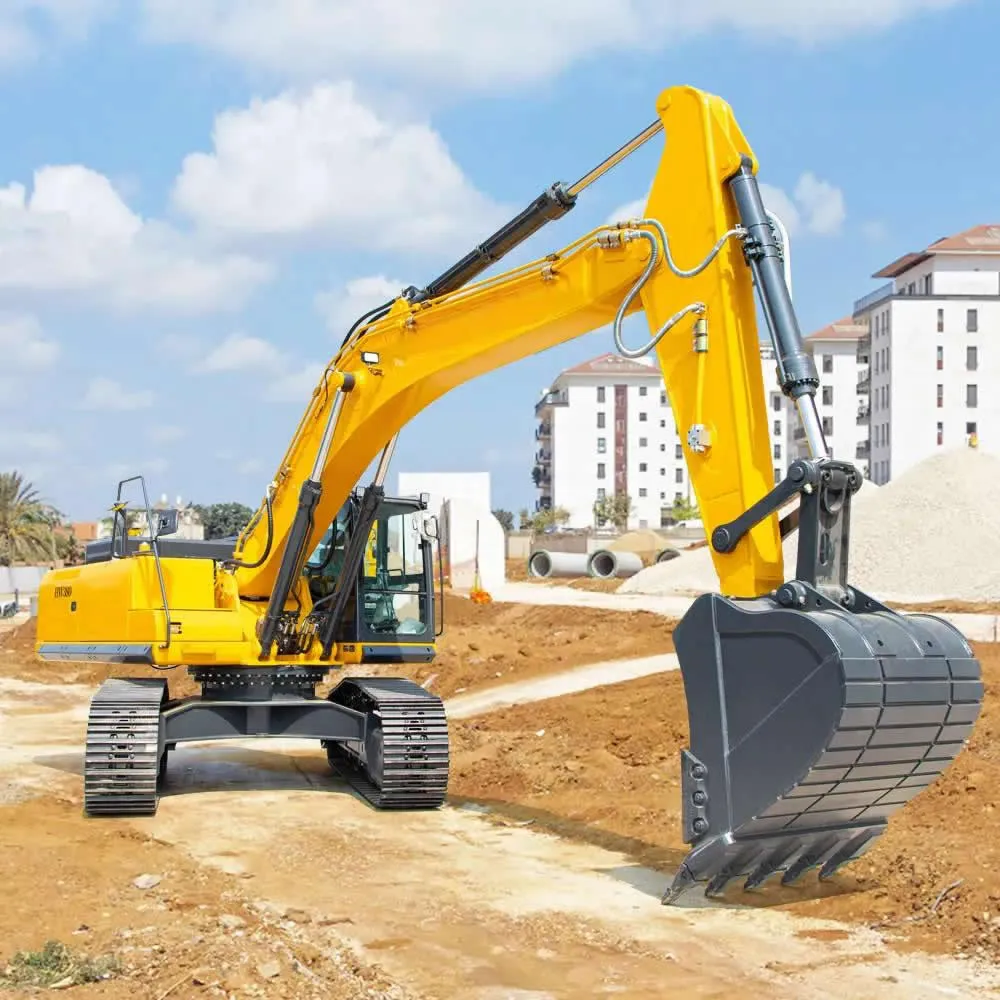
Cleaning may seem simple, but it is fundamental to preventing equipment performance degradation.
First, after each day's work, the entire machine should be thoroughly cleaned. This systematic cleaning must be performed after the equipment has been shut down and cooled, and the hydraulic system has been depressurized, to prevent the long-term accumulation of dirt, oil, and metal dust from causing corrosion and wear. This includes removing dirt and debris from the tracks, chassis, engine compartment, and hydraulic radiator. Accumulated mud not only increases wear but also blocks airflow to the radiator, leading to overheating. High-pressure water or steam cleaning can be used, but it is crucial to avoid directly spraying high-pressure water onto electrical connectors or sealing components to prevent water ingress that could cause electrical faults or seal damage. The interior of the cab also needs to be cleaned of dust and debris to ensure a comfortable and safe operating environment. Regularly cleaning the air filter and cooling system helps improve engine efficiency.
During the cleaning process, loose fasteners should be tightened promptly, and damaged or severely worn seals and mudguards should be replaced immediately. In dusty environments or under high-intensity working conditions, the cleaning cycle should be shortened to prevent dust from penetrating deep into the machinery. Key Cleaning Areas:
Boom, arm, and bucket weld seams and connection areas (mud accumulation can lead to stress concentration)
Track plate gaps and the surfaces of the drive wheels and idler wheels (mud buildup accelerates track wear)
Slewing platform and undercarriage joint (mud infiltration affects the lifespan of the slewing bearing)
Radiator surface and hydraulic oil cooler fins (dust accumulation reduces heat dissipation efficiency)
Recommended Cleaning Method:
Use 50℃ warm water + alkaline heavy-duty degreaser (1:3 dilution), and wipe the grease overflow areas with a soft brush or cotton cloth to avoid damaging the paint.
For stubborn grease, spray with diesel fuel to soften for 10-30 minutes, then gently scrape with a plastic scraper. Steel wool or high-pressure water guns are strictly prohibited.
Radiator cleaning: Use compressed air (≤0.3MPa) to blow from the inside out to prevent fin deformation.
Electrical components (sensors, wiring harness connectors, control box): Only wipe with a dry cloth; water rinsing is absolutely prohibited.
⚠️ Caution: Diesel fuel is only for temporary softening and should not be used as a long-term substitute for specialized cleaning agents; acidic cleaning agents will corrode aluminum alloy components and seals.
Lubrication is a key maintenance measure to reduce mechanical friction, slow down wear, and extend service life.
As a maintenance engineer, daily maintenance should strictly include lubricating all lubrication points. Key areas include the boom, arm, bucket pins, slewing bearing, track rollers, and swing bearings. Most manufacturers recommend replenishing grease at these lubrication points before starting work each day or every few hours (e.g., every 4-8 hours) to ensure continuous and sufficient lubrication of the contact surfaces and reduce localized wear. The grease quality must meet the manufacturer's specifications; too much or too little grease will cause problems: excessive grease will accumulate dust and damage seals, while insufficient lubrication will directly increase wear.
Lubrication work should also be combined with a lubrication plan and record keeping to standardize the workload and timing of each lubrication task, avoiding missed or repeated lubrication. For high-speed operation or heavy-load conditions, the lubrication interval can be appropriately shortened to improve lubrication effectiveness.
|
Lubrication point location |
Lubrication cycle |
Recommended grease type |
Method of adding fuel |
Precautions |
|
Slewing bearings (2 locations) |
After daily homework |
Kunlun Xunu Excavator-Specific Wear-Resistant Grease / Great Wall CMA-K 3# |
Grease gun direct injection |
Clean the grease filler nozzle before grease injection and fill until old grease overflows. |
|
boom pin, stick pin |
After daily homework |
Same as above |
Grease gun direct injection |
Add 3–5 pumps each time, avoiding overfilling which could cause the seals to bulge. |
|
Track tensioning device |
Every 100 hours |
Lithium-based grease (low-temperature resistant type) |
Add oil nozzle |
Check the tensioning cylinder for leaks; the tension should be maintained at 30–50 mm. |
|
Track rollers, support rollers |
Every 250 hours |
85W/140 Heavy Duty Gear Oil |
Remove the drain plug to drain the old oil and then add more. |
The lubricating oil inside the wheels must be changed after wading operations. |
|
Bucket connecting pin, half-bar linkage |
After daily homework |
Kunlun Xunu or Mobil MP |
Grease gun direct injection |
Clean the mud and sand from the pin gap before adding filler. |
The hydraulic system is the core of power transmission in excavators, responsible for driving the main pump, hydraulic cylinders, motors, and various actuators. Hydraulic system failures account for more than 60% of unplanned downtime in excavators. The quality of the hydraulic oil and the system's condition directly affect the overall performance of the machine.
3.1 Inspection and Maintenance of Hydraulic Oil
Check the hydraulic oil level daily to ensure it is within the appropriate range. If insufficient, add high-quality hydraulic oil that meets the specifications. After the machine has been stopped for 5 minutes, observe the oil level gauge on the hydraulic oil tank; it should be between the "MIN" and "MAX" marks. The hydraulic oil should be clean, without obvious discoloration or turbidity. Aging or contaminated oil will reduce lubrication performance and accelerate component wear. Many manufacturers recommend changing the hydraulic oil every approximately 2000 operating hours, but this may need to be done sooner depending on heavy-load, dusty, and other operating conditions.
Oil Quality Judgment:
Normal: Transparent amber color, no suspended matter
Abnormal:
Milky white → Water ingress (requires immediate replacement and seal inspection)
Dark brown, burnt smell → High-temperature oxidation (shorten replacement cycle)
Metal particle precipitation → Internal wear (requires pump and valve inspection)
3.2 Inspection of Hydraulic Pipelines and Seals
Daily inspect the hydraulic system pipelines, joints, and seals for leaks, cracks, swelling, or abnormal wear. Hydraulic oil leaks not only result in oil loss but also pose safety hazards. Maintenance engineers should promptly replace damaged components to ensure good sealing of the hydraulic oil circuit.
Visually inspect all hose connections and valve block connections for oil stains.
Touch method: While the equipment is running, lightly touch the pipelines to detect abnormal vibrations or leaks.
Never use paper or fingers to directly test for leaks; high-pressure oil jets can cause serious injury.
3.3 Filter Element and Oil Temperature Monitoring
During maintenance, regularly replace the hydraulic filter element to prevent the accumulation of impurities in the system, which can cause valve sticking or pump wear. Proper oil temperature control is also crucial. Excessively high oil temperatures accelerate oil aging and reduce viscosity; excessively low oil temperatures can lead to poor lubrication. If necessary, install oil temperature monitoring equipment or check the radiator condition.
Check the pressure differential indicator of the return oil filter and pilot filter. If the pointer enters the red zone, replace the filter immediately. When replacing, be careful: first release the pressure, then disassemble to prevent high-pressure oil from splashing.
3.4 Safety Shutdown Procedures
Before hydraulic inspection and maintenance, be sure to shut down and cool the equipment, lower the bucket to the ground, and cut off the power to ensure safety. Check that the connections are clean and free of debris before assembly to prevent external contamination from entering the high-pressure system.
3.5 Radiator Maintenance
Clean the surface dust of the hydraulic oil radiator with compressed air weekly to ensure cooling efficiency. The oil temperature should be controlled between 50–80℃; if it exceeds 80℃, check for cooling fan or radiator blockage.
|
Problem |
Possible reasons |
Emergency Response |
Long-term countermeasures |
|
Abnormal noise during rotation |
Slewing bearing lack of oil or worn raceway |
Stop the machine immediately and add lubricating grease. |
Lubricate daily and check bearing clearance every 500 hours. |
|
Insufficient pressure in the hydraulic system |
Pilot filter clogging / Oil pump wear |
Replace the filter element and test the pump output pressure. |
Replace the pilot filter every 250 hours and change the hydraulic oil every 1000 hours. |
|
Track loosening too quickly |
Tensioning cylinder seal failure |
Replace the seals and adjust the tension. |
Check the tensioning cylinder for oil leaks every 100 hours. |
|
Hydraulic oil emulsification |
Moisture seeps in from the fuel tank breather or cooler. |
Drain the oil tank, replace all hydraulic oil, and replace the breather filter. |
Install a respirator with a drying function to avoid working in rainy weather. |
|
Track roller oil leak |
Floating seal ring failure or lubricating oil contamination |
Disassemble and replace the float seal assembly, and clean the wheel body. |
Use dedicated gear oil and change it every 250 hours. |
|
Maintenance cycle |
Main projects |
|
After daily homework |
Clean the machine body, lubricate all pins, check hydraulic oil levels and leaks, and visually inspect the tracks and bucket. |
|
Every 100 hours |
Check track tension, replace the outer layer of the air filter, check the battery electrolyte, and clean the radiator. |
|
Every 250 hours |
Change engine oil and oil filter, check final drive oil level, replace pilot filter, and lubricate track rollers. |
|
Every 500 hours |
Replace the fuel filter, replace the hydraulic oil filter, clean the air conditioning filter, and check the oil level in the rotary pinion. |
|
Every 1000 hours |
Change the hydraulic oil, change the slewing mechanism oil, check the turbocharger, and perform a comprehensive test of the hydraulic system pressure. |
An excellent excavator maintenance system is maintained by every field engineer and operator. Cleaning frees the machine from environmental burdens, lubrication prevents friction from causing wear, and a healthy hydraulic system ensures smooth power transmission. Daily maintenance may seem trivial, but it is a key link in ensuring the long-term stable operation of the excavator, reducing downtime due to failures, and optimizing efficiency. Every precise lubrication, every thorough cleaning, and every respect for the hydraulic fluid lays the foundation for the next efficient operation. Adhering to scientific, standardized, and systematic daily maintenance will allow your equipment to remain calm and composed even under complex working conditions.

