
The hydraulic system of a tracked excavator is the core nervous system for power transmission and motion execution. It is the "heart" of the tracked excavator, and its performance directly affects the equipment's working efficiency and lifespan. Statistics show that hydraulic system failures account for more than 60% of unplanned downtime for excavators, and 90% of these failures are due to improper maintenance. Normal system operation means that the boom, arm, swing, and travel mechanisms can reliably output force and speed. Improper maintenance of the hydraulic system will directly affect construction efficiency, increase the risk of failure, and in severe cases, may lead to damage to system components. Therefore, mastering the correct concepts and methods of system maintenance can ensure that the equipment operates efficiently, stably, and safely.
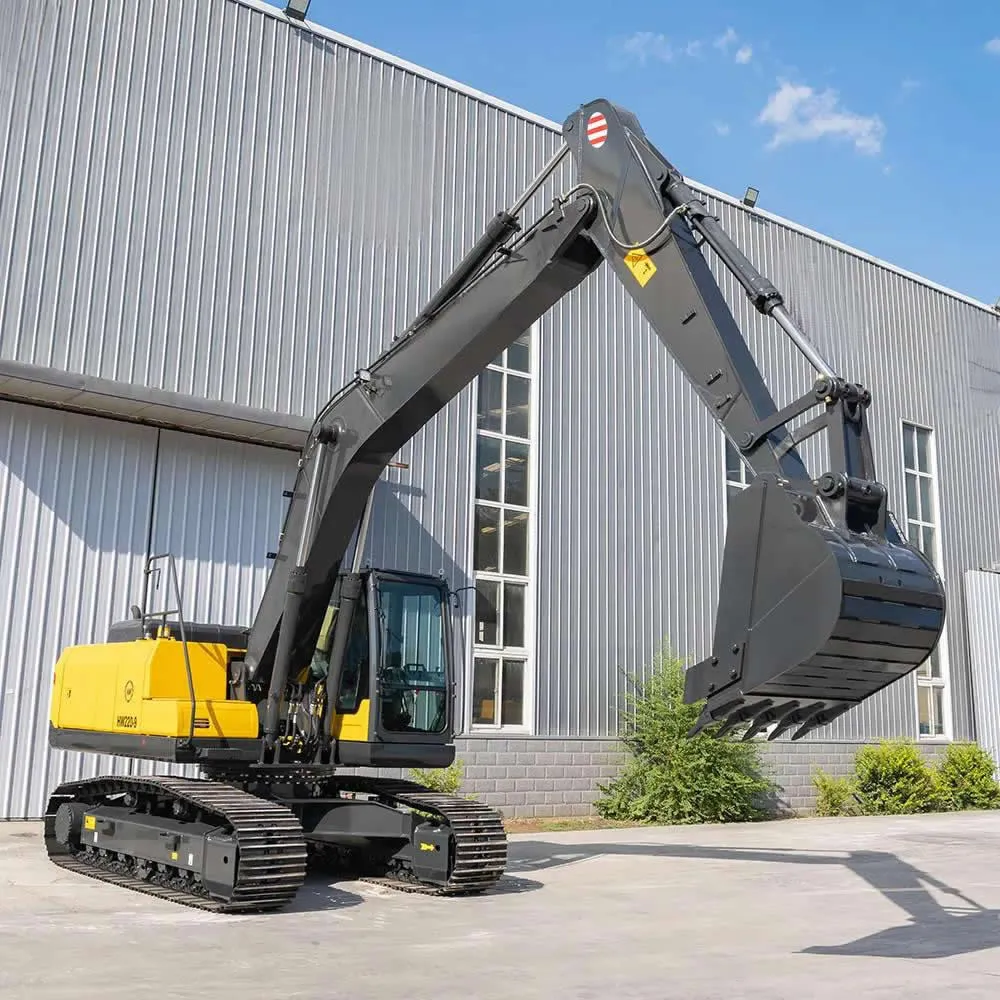
The core driving force of an excavator comes from its hydraulic system. Hydraulic oil transmits power through various components such as pumps, valves, and cylinders. We can consider the hydraulic oil as "blood" and the hydraulic components as the "heart" and "blood vessels." Only when the blood is clean and flows freely can the entire system operate efficiently for a long time. If the oil quality deteriorates, is severely contaminated, or is not maintained according to specifications, system pressure will drop, response will be delayed, or local overheating will occur, leading to decreased excavator performance or even failure and downtime. According to industry maintenance data, regular inspection and maintenance of the hydraulic system is the cornerstone of extending the overall machine's lifespan.
The tracked excavator is a "steel giant" in our engineering construction, and the hydraulic system is the "heart" and "blood vessels" that drive this giant to operate flexibly. It consists of numerous precision components such as hydraulic pumps, control valves, hydraulic cylinders, hydraulic motors, oil tanks, filters, pipelines, radiators, and hydraulic oil. It is responsible for converting the engine's mechanical energy into hydraulic energy and distributing it to various actuators through various control components to achieve a series of complex actions such as excavator travel, swing, boom lifting, arm extension and retraction, and bucket digging.
Due to the high working pressure, precision components, and complex working conditions of the hydraulic system, improper maintenance can easily lead to faults such as excessive oil temperature, insufficient pressure, sluggish movement, increased noise, and even component damage, seriously affecting construction progress and costs. Therefore, scientific and standardized maintenance is crucial to ensuring the long-term stable and efficient operation of the excavator's hydraulic system.
Hydraulic oil plays a vital role in hydraulic systems, performing functions such as energy transmission, component lubrication, system cooling, rust and corrosion prevention, and sealing. Its performance directly affects the efficiency and lifespan of the hydraulic system.
Correct Selection of Hydraulic Oil:
Strictly follow manufacturer recommendations: Different brands and models of excavators have different hydraulic system design parameters, and therefore different requirements for hydraulic oil viscosity, viscosity index, oxidation resistance, wear resistance, anti-foaming properties, and rust prevention. Always strictly follow the hydraulic oil brand and specifications recommended in the equipment's "Operation and Maintenance Manual."
Consider ambient temperature: In cold regions, low-viscosity hydraulic oil with good low-temperature fluidity should be used; in high-temperature regions or under heavy load conditions, high-viscosity hydraulic oil with good viscosity-temperature characteristics and high oxidation stability should be used.
Regularly Check Hydraulic Oil Condition:
Oil level check: Before starting the machine daily, check the hydraulic oil level using the oil level gauge when the hydraulic oil tank is at operating temperature (or in a cold state as specified in the manual) to ensure it is within the normal range. A low oil level can cause the hydraulic pump to cavitate and damage the pump; a high oil level may cause oil to overflow from the breather.
Oil quality check:
Color and odor: Normal hydraulic oil should be clear and transparent or light yellow, without any pungent odor. If the oil color darkens, turns black, becomes cloudy, or has a burnt or sour smell, it indicates that the oil has oxidized, deteriorated, or been contaminated. The cause should be analyzed and the oil replaced promptly.
Impurities and moisture: Observe whether there are metal particles, fibers, dust, or other impurities in the oil. A simple "drop test" can be used for a preliminary assessment: place a drop of hydraulic oil on filter paper. If there are black impurities in the center of the oil drop and the diffusion circle is not obvious, it indicates a large amount of impurities; if the oil drop is uniformly light yellow, the oil quality is good. The presence of moisture will emulsify the oil, reduce lubrication performance, and accelerate component wear. If the oil appears milky white and cloudy, it indicates water ingress. The cause (such as seal failure or radiator leakage) must be identified, and the system oil must be completely replaced. Scientific Replacement of Hydraulic Oil and Filters:
Replacement Cycle: Strictly follow the manufacturer's recommended oil change cycle. Generally, the hydraulic oil and return filter, and suction filter (if applicable) should be replaced after the first 500 hours of operation (or 3 months, whichever comes first). Thereafter, replace them every 2000-3000 hours of operation (or 1-2 years, depending on working conditions and oil quality inspection results). Under harsh working conditions (such as high temperature, dust, and humidity), the oil change cycle should be shortened accordingly.
Replacement Steps and Precautions:
Drain the oil while warm: After shutting down the machine, when the hydraulic oil is still at a certain temperature (to avoid burns), open the oil tank drain plug and completely drain the old oil. At the same time, the oil tank should be removed and thoroughly cleaned to remove sediment and sludge from the bottom of the tank.
Replace the filters: Replace all hydraulic oil filters (including suction filter, return filter, high-pressure line filter, etc.). Before installing the new filters, check that the filters are intact, the seals are in good condition, and ensure that they are installed correctly.
Clean the pipelines: If the system is severely contaminated or a different brand of hydraulic oil is being used, it is recommended to flush the main pipelines with new oil or a special cleaning oil.
Add new oil: Add the specified new hydraulic oil through the filler port with a filter screen to the specified oil level.
Bleeding and inspection: After adding oil, start the engine and run it at low speed, allowing the hydraulic system to cycle several times to remove air from the system. Then check the oil level again and add more if necessary. Check all connections for leaks.
Waste oil disposal: Waste hydraulic oil should be properly collected and disposed of to avoid environmental pollution.
Storage of Hydraulic Oil:
Hydraulic oil should be stored in a dry, cool, and clean indoor environment, away from direct sunlight and rain.
Keep the containers sealed to prevent moisture, dust, and other impurities from entering.
Hydraulic oils of different grades and from different manufacturers should be stored separately and must not be mixed.
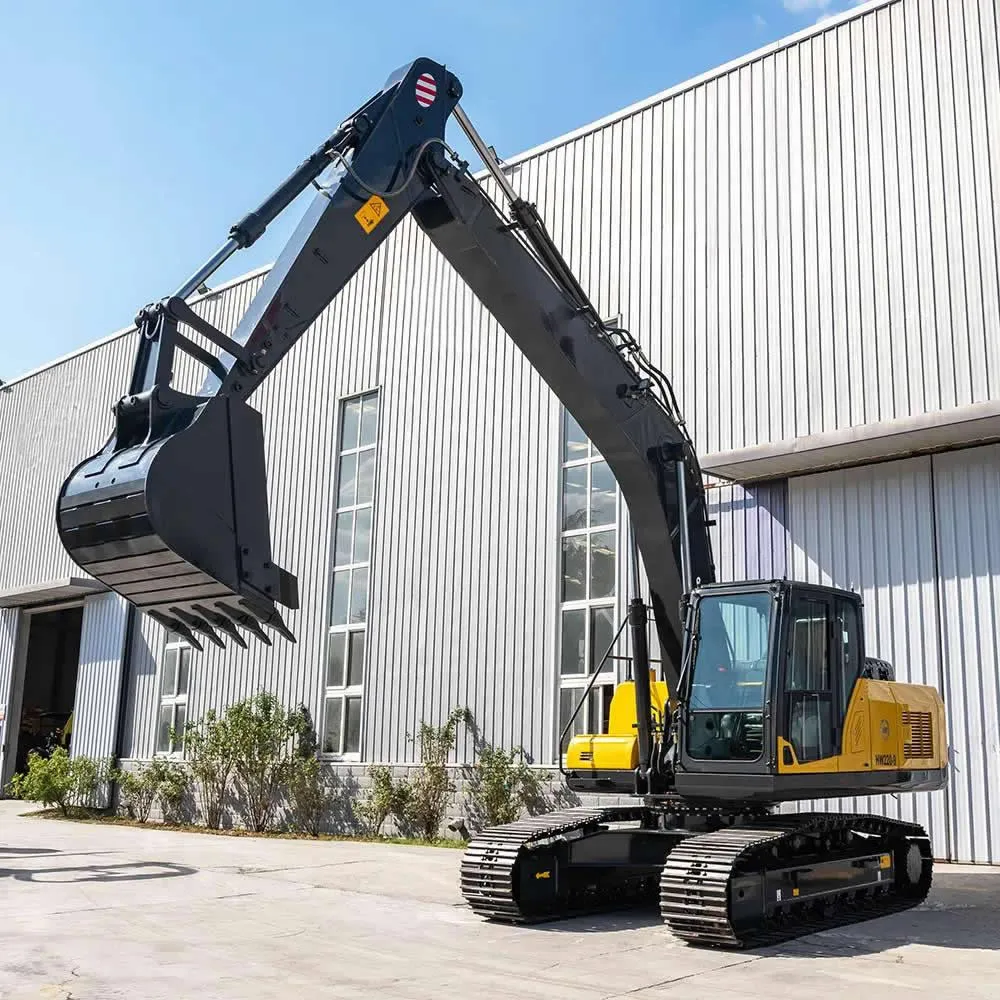
The function of the filter element is to filter impurities in the hydraulic oil, maintaining the cleanliness of the oil and protecting precision hydraulic components (such as pumps, valves, motors, and cylinders) from wear.
Replace as needed: Strictly follow the replacement schedule specified in the "Operation and Maintenance Manual" for filter elements. Under harsh working conditions, or when the hydraulic system experiences abnormal pressure, increased noise, or other malfunctions, the filter element should be inspected and replaced in advance.
Inspect the filter element: The removed old filter element should be inspected to observe the type and quantity of impurities on its surface, which helps to determine the source of system contamination.
Choose genuine filter elements: Always use original manufacturer or certified high-quality filter elements. Inferior filter elements have poor filtration accuracy and low strength, failing to effectively protect the system and potentially causing the filter element to detach and block the oil circuit.
Proper installation: When installing the filter element, ensure that it is installed correctly and securely, with the sealing ring intact, to prevent unfiltered oil from bypassing the filter.
Hydraulic Pumps, Motors, and Cylinders:
Visual inspection: Daily check these components for oil seepage or leakage, and check if the connecting bolts are loose.
Observation of working status: Listen for any abnormal noise or vibration from the hydraulic pump and motor; observe whether the hydraulic cylinder moves smoothly, without crawling or impact.
Temperature check: After operation, touch the casing of the hydraulic pump and motor with the back of your hand (be careful to avoid burns) to check if the temperature is too high (usually should not exceed 80-90℃).
Hydraulic Control Valves (Multi-way valves, etc.):
Check the control handle: The control handle should be flexible and easy to operate, with accurate return to the neutral position. If there is sticking or stiffness, check whether the valve core is stuck or the operating mechanism is faulty.
Check valve body connections: There should be no leakage at the connections between the valve body and the pipelines.
Hydraulic Pipelines and Fittings:
Check the pipelines: Daily check all hydraulic hoses and rigid pipes for damage, aging, cracking, deformation, or kinking. If a hose shows bulging, leakage, or obvious aging, it must be replaced immediately. Check Connections: All pipe joints and flange connections should be tightened and free of leaks. Note that tightening pipe joints is strictly prohibited when the system is under pressure to prevent high-pressure oil from spraying out and causing injury.
Pipe Fixing: Check that pipe clamps and supports are intact, and that there is no friction or interference between the pipes and other components to prevent vibration wear.
Hydraulic Oil Tank:
Cleaning: Regularly clean the outside of the oil tank to prevent dust and debris from entering.
Breather: Check that the oil tank breather (air filter) is unobstructed and free of blockages. Clean or replace it regularly to prevent negative pressure in the oil tank or the intake of contaminated air.
Oil Level and Temperature Gauge: Ensure that the oil level gauge and oil temperature gauge are working properly and indicating accurately.
Hydraulic Radiator:
Cleaning: Regularly clean dust, oil sludge, and debris from the surface of the radiator (using compressed air or a low-pressure water gun) to ensure good heat dissipation and prevent the hydraulic oil temperature from becoming too high.
Inspection: Check the radiator for leaks and ensure that the cooling fan (if present) is working properly.
The pressure and flow rate of the hydraulic system are important parameters for measuring its performance. Generally, the manufacturer has adjusted these at the factory, and it is not recommended for non-professional personnel to adjust them arbitrarily. However, if the equipment experiences problems such as insufficient power or slow operation, a professional maintenance engineer should use a special pressure gauge and flow meter to test the system and determine the cause of the fault and make necessary adjustments based on the test results. When adjusting, the pressure values provided by the manufacturer must be strictly followed, and over-pressure adjustment is strictly prohibited to avoid damaging hydraulic components.
Good operating habits are an important guarantee for extending the life of the hydraulic system.
Smooth Operation: Avoid sudden and forceful operation of the control levers to prevent pressure shocks in the system, which can damage seals and components.
Avoid Prolonged Overload Operation: Prolonged overload will cause the hydraulic oil temperature to rise sharply, accelerating oil oxidation and deterioration, and reducing component life.
Idle Preheating: After starting in cold weather, the engine should be idled for a period of time until the hydraulic oil temperature reaches a suitable working temperature (usually 20-40℃) before performing heavy-duty work. Preventing Foreign Matter Entry: When performing hydraulic system maintenance and refueling, ensure the work environment and tools are clean to prevent foreign matter from entering the system. Disconnected pipe and oil ports should be sealed promptly.
As maintenance engineers, we often say, "Three parts repair, seven parts maintenance." Timely detection of potential problems and taking corrective measures can prevent small problems from escalating into major failures.
Abnormal System Pressure: Weak digging force or slow movement may indicate problems with the hydraulic pump, main relief valve, or multi-way valve.
Excessive Oil Temperature: In addition to poor heat dissipation, this may be caused by oil degradation, internal leakage in the system, or decreased pump efficiency.
Noise and Vibration: Hydraulic pump cavitation, air ingress, wear of internal components, and loose pipe fittings can all lead to abnormal noise and vibration.
Leakage: Any oil leakage should be addressed promptly. This not only results in oil loss but can also lead to air ingress into the system or accelerated component wear.
|
Fault phenomenon |
Possible reasons |
Emergency measures |
Long-term countermeasures |
|
Insufficient system pressure |
Pilot filter clogging/oil pump wear |
Replace the filter element and test the pump output pressure. |
Replace the pilot filter every 250 hours. |
|
Hydraulic oil emulsification |
Moisture entered through the fuel tank breather. |
Drain the fuel tank and replace the fuel and breather filter. |
Install a respirator with a drying function. |
|
Weakness in walking |
Track tensioning cylinder leakage |
Replace the seals and adjust the tension. |
Check the tension cylinder every 100 hours. |
Before performing any hydraulic system maintenance, the excavator must be parked on solid, level ground, the engine shut off, the system pressure released (this can be achieved by repeatedly operating the control levers), and a "Under Repair, Do Not Start" warning sign displayed.
When disconnecting high-pressure lines, keep your body away from the potential oil spray from the pipe opening and use appropriate tools. Never disconnect them directly by hand.
Be careful to avoid burns when contacting hot components.
Use appropriate tools and protective equipment.
If you are unfamiliar with the hydraulic system, do not attempt to disassemble it blindly; seek assistance from professional technicians.
Maintenance of the hydraulic system of a crawler excavator is a meticulous and important task. It requires maintenance engineers to possess solid professional knowledge, rich practical experience, and a high sense of responsibility. Every oil check, filter replacement, and leak detection contributes to the efficient operation of the equipment. By strictly following the above maintenance guidelines and applying them flexibly based on the actual working conditions of the equipment, you can effectively extend the service life of the hydraulic system, reduce the failure rate, and ensure that the excavator remains in good working condition, contributing greater power to construction projects. We hope that every equipment user and manager will pay attention to hydraulic system maintenance and jointly protect the "heart" of our "steel beast."

