
Medium-sized excavators typically refer to hydraulic excavators with a total weight between 15 and 30 tons. They are the main equipment used in earthmoving projects, municipal construction, farmland irrigation, and small-scale mining. Medium-sized excavators are frequently used in engineering projects, so routine maintenance is crucial, especially the maintenance of the engine and hydraulic system, which are core components for the normal operation of the excavator. This article will discuss in detail how to properly maintain the engine and hydraulic oil of medium-sized excavators through practical maintenance cases, in order to extend the machine's service life and ensure its efficient operation.
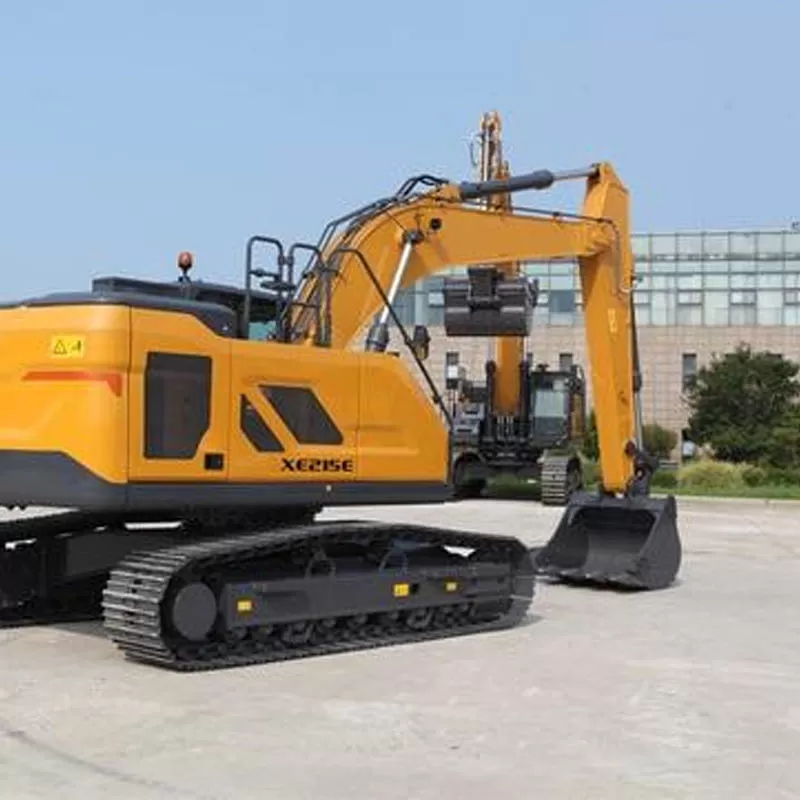
The engine of a medium-sized excavator is the power source of the entire machine, and its operating condition directly affects the overall performance of the excavator. Therefore, proper engine maintenance is a prerequisite for ensuring the efficient operation of the excavator.
1.1 Routine Engine Inspection
Regular engine inspection is an important step in preventive maintenance. Regularly inspect various engine components, including:
Air filter: Ensure the air filter is not clogged, maintain good ventilation for the engine, and prevent excessive dust from entering.
Coolant: Check if the cooling system is working properly and if the coolant level is within the specified range; replace the coolant if necessary.
Engine oil: Regularly change the engine oil and oil filter to maintain a smooth lubrication system and prevent engine overheating.
Belts and pulleys: Check the tension and wear of the belts to avoid excessive engine load due to loose or damaged belts.
1.2 Engine Oil Selection and Replacement
Engine oil is a key factor in ensuring the smooth operation of the engine. Medium-sized excavators require the use of appropriate oil, which is usually selected based on the working environment temperature, humidity, and engine usage frequency.
Oil selection: Choose engine oil that meets the manufacturer's recommended standards, which usually specifies the applicable temperature range and viscosity grade.
Oil change cycle: Depending on the working environment and excavator usage, engine oil is generally changed every 500 hours or every six months. For harsh working environments, it is recommended to shorten the replacement cycle. 2. Engine Maintenance Cycle, Operation, and Typical Faults
|
Maintenance items |
cycle |
Key points of operation |
Common Faults and Solutions |
|
Oil change |
Every 250 hours |
Use 15W-40 diesel engine oil that meets API CI-4/CK-4 standards; idle for 3–5 minutes before changing the oil to suspend impurities; the drain plug torque should be 35–40 N·m, and the gasket must be replaced. |
Milky white engine oil →Water intrusion; check cylinder head gasket or cooling system leaks; Blue smoke →Piston ring wear or turbocharger oil leak; disassembly and inspection required. |
|
Oil filter replacement |
Same as oil change |
Apply a thin layer of new engine oil to the new filter element's sealing ring; tighten it 1/2–3/4 turn, avoiding overtightening which could deform the housing. |
If the filter element is clogged and not replaced in time, insufficient engine lubrication will lead to bearing damage, with repair costs exceeding 10,000 yuan. |
|
Fuel system maintenance |
Every 250 hours |
Drain the sediment from the oil-water separator; replace the diesel filter element (10μm precision recommended); the use of non-standard diesel fuel is strictly prohibited. |
Diesel fuel containing water → Fuel injector carbon buildup, high-pressure fuel pump corrosion; Difficulty starting a cold engine → Check if the intake air heater is malfunctioning. |
|
Air filter cleaning/ replacement |
Clean every 100 hours, replace every 500 hours. |
Purge from the inside out with compressed air (pressure ≤ 0.3 MPa); do not wash with water; ensure proper sealing after replacement. |
Clogged filter → Insufficient air intake → Black smoke from exhaust, power reduction of over 15% |
|
Cooling system check |
Every 250 hours |
Check the coolant level (it should be between MIN and MAX), use long-life coolant (such as Cat ELC); change it every 2000 hours. |
If the coolant is cloudy or has an oil film, itindicates a damaged cylinder head gasket. Immediate engine shutdown and repair are necessary to prevent cylinder block cracking. |
|
Valve clearance adjustment |
Every 2000 hours |
Measured under cold conditions: intake valve 0.25mm, exhaust valve 0.50mm (using Caterpillar 320 as an example); calibrated using a feeler gauge. |
Excessive clearance leads to valve knocking and reduced power; insufficient clearance leads to valve erosion, requiring replacement of the valve seat in severe cases. |
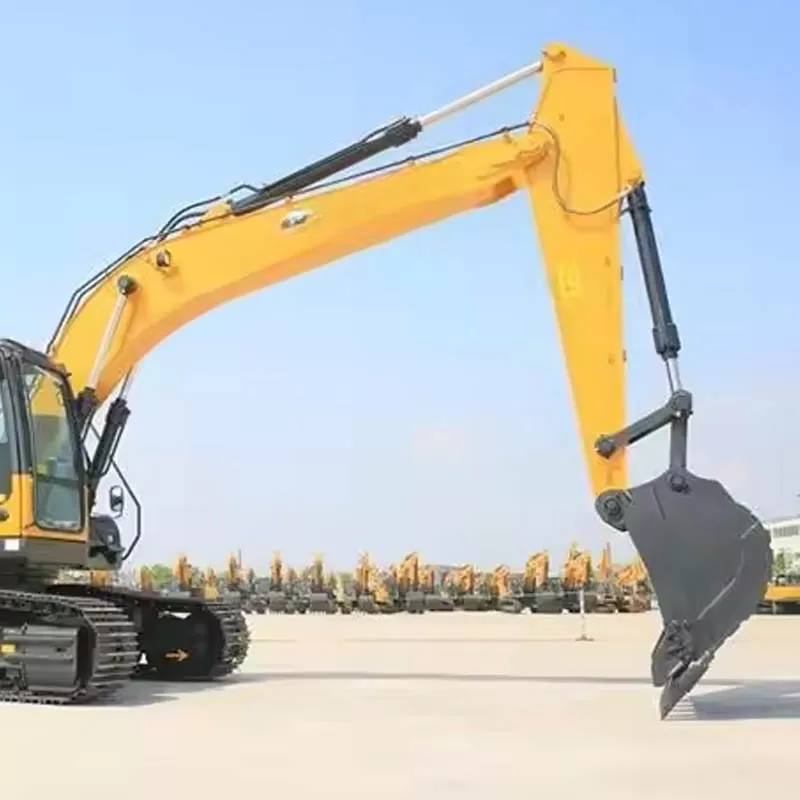
The hydraulic system is another important component of a medium-sized excavator. It determines the performance of actuators such as the mechanical arm and bucket. Therefore, the quality of the hydraulic oil directly affects the working efficiency and stability of the excavator.
3.1 Hydraulic Oil Replacement and Cleaning
The hydraulic oil replacement cycle depends on the working environment and the usage of the hydraulic system. Generally, the hydraulic oil needs to be replaced every 1000 hours or annually.
Oil Inspection: Regularly check the oil level and quality of the hydraulic oil. Low hydraulic oil levels can lead to oil shortage in the hydraulic system, thus affecting the performance of the excavator.
Oil Selection: Choose the appropriate hydraulic oil. The viscosity grade of the oil is usually selected based on the design requirements of the hydraulic system and the ambient temperature.
Hydraulic Oil Cleanliness: Maintaining the cleanliness of the hydraulic oil is crucial for ensuring the stable operation of the hydraulic system. Regularly clean the hydraulic oil system using filter elements to prevent impurities from entering the system and causing wear to the pump body, valves, and pipes.
3.2 Hydraulic Oil Filter Replacement and Maintenance
The hydraulic oil filter is a key component in ensuring the cleanliness of the hydraulic oil. Regularly check the working condition of the hydraulic oil filter and replace worn or clogged filters promptly. The filter replacement cycle is usually every 500 hours or adjusted according to the actual working conditions of the hydraulic system.
|
project |
standard |
Operating Procedures |
Pollution Types and Cases |
|
Hydraulic oil selection |
ISO VG 46 or VG 68 |
Preferably use anti-wear hydraulic oil (such as Shell Tellus S2 MX 46), which conforms to ISO 11158 standards. |
Mixing oils → Viscosity imbalance → Increased pump wear |
|
Replacement cycle |
3000–6000 hours |
The first oil change is recommended at 500 hours; subsequent oil changes should be made every 3000 hours or 18 months,and must be accompanied by oil sample testing . |
Replacing oil without testing → misjudging oil lifespan, causing premature system failure. |
|
Oil contamination detection |
Sampling every 500 hours |
Samples were taken from the bottom of the tank using a dedicated sampling valve and sent for testing of particle size (ISO 4406) and moisture content. |
Case 1: In January 2025, the hydraulic oil in a mining machine in Chongqing had a water content of 800 ppm, and the oil appeared milky white. Investigation revealed that the dust seal on the oil tank vent was damaged, allowing rainwater to seep in. Replacing the seal, changing the entire system oil, and installing a desiccant filter restored the system to its normal state. |
|
Filter replacement |
Oil filter: every 1000 hours; Return oil filter: every 500 hours |
Before replacement, turn off the main pump and depressurize; during installation, avoid contaminating the filter element with hand oils. |
Filter cartridge clogged → Main pump sucks in air → Increased noise and sluggish operation |
|
Fuel tank and pipelinecleaning |
Every time you change the oil |
Remove the fuel tank cap and wipe the inner wall with a lint-free cloth ; never use cotton yarn; wipe the pipe joints with alcohol. |
Case 2: The hydraulic system of a 215 excavator frequently overheated, with the oil temperature reaching 95℃. Disassembly and inspection revealed that the return oil filter element was clogged with rubber debris, the source of which was the detachment of the aging hose liner. After replacing all hoses and cleaning the oil tank, the oil temperature stabilized at 65℃. |
For medium-sized excavators, the maintenance of the engine and hydraulic system is crucial. Through regular inspection and replacement of oil, timely replacement of filters, and maintaining the cleanliness of the hydraulic oil, common faults can be effectively avoided, improving the working efficiency and service life of the excavator. In the actual maintenance process, targeted maintenance should be carried out based on specific working conditions and operating environment to ensure that the equipment always remains in optimal working condition.

