
Mini excavators are gradually gaining importance in the construction machinery industry, especially in urban construction, landscaping, and small-scale earthmoving projects, due to their small size and high flexibility. However, any mechanical equipment will face wear and tear and malfunctions during operation. Many users, after purchasing a mini excavator, neglect maintenance because they think it's small and simple in structure. Therefore, regular maintenance is crucial to effectively extend the machine's service life, improve operating efficiency, and reduce failure rates. This article will explain in detail, from the perspective of a mini excavator repair engineer, how to perform basic maintenance and upkeep after the mini excavator has been used in working conditions.
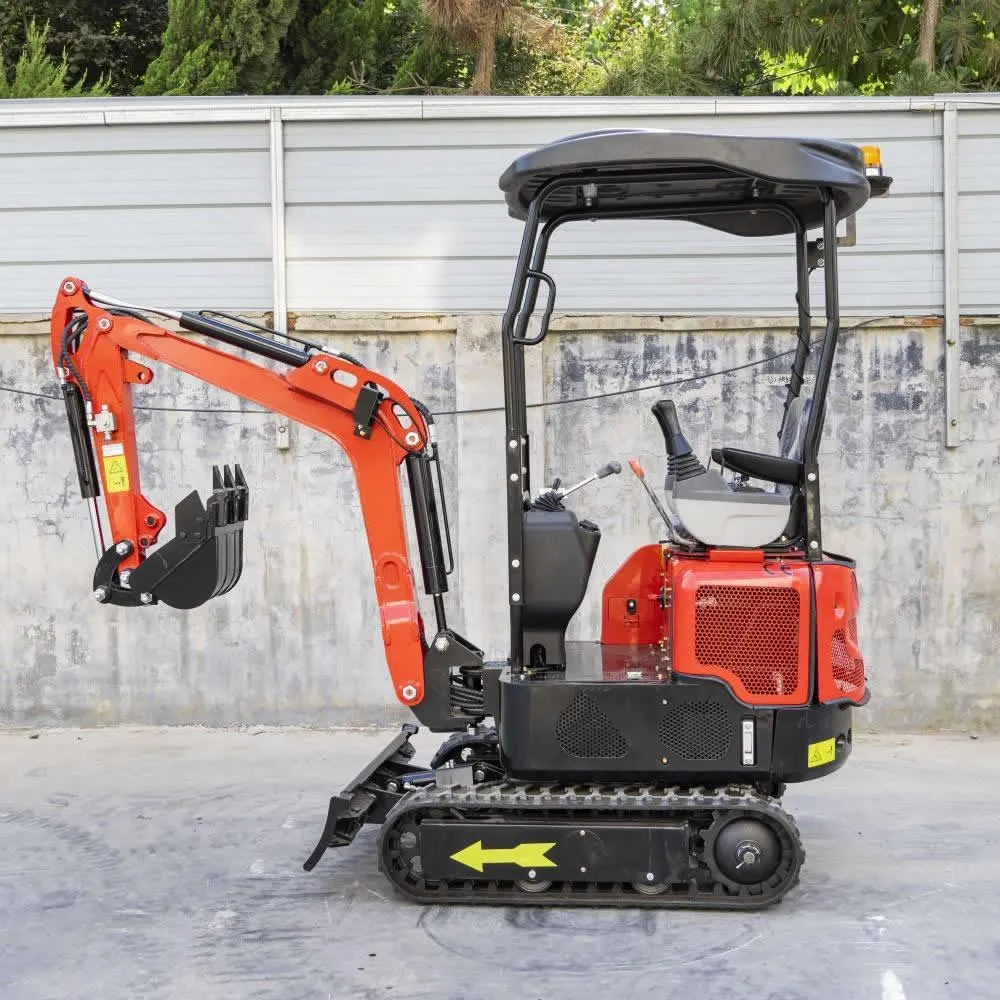
The hydraulic system is a crucial part of the mini excavator. Ensuring the quality of the hydraulic oil and the normal operation of the hydraulic system can effectively prevent performance degradation or damage caused by hydraulic oil problems.
Checking the hydraulic oil level: Before using the hydraulic oil, first check if the oil level is appropriate. A low oil level may cause the hydraulic system to malfunction or even damage the pump and valves; a high oil level may cause leakage. Adjust the oil level to the appropriate height according to the instructions in the manual.
Replacing the hydraulic oil: After prolonged use, hydraulic oil will become contaminated and oxidized, leading to a decrease in its lubrication and transmission performance. It is generally recommended to replace the hydraulic oil every 1000-1500 hours. When replacing, ensure that you use hydraulic oil that meets the equipment requirements and thoroughly clean the oil tank and filter element.
Replacement tips: Mini excavators have a low chassis, so it's best to use a waste oil pan to catch the oil when draining it. Draining the oil while the engine is warm is more thorough. When replacing the oil filter, apply a layer of new engine oil to the oil filter's sealing ring to prevent the sealing ring from drying out and leaking.
Special attention: The hydraulic oil tank cap of many mini excavators is also the location of the return oil filter (on or on the side of the oil tank cap). When replacing, be sure to wipe the area around the oil tank cap clean, and absolutely do not let dirt fall into the oil tank, otherwise a single grain of sand can damage your hydraulic pump.
The air filter is the "lungs" of the mini excavator. It filters dust and impurities from the air, ensuring the engine inhales clean air, thereby improving combustion efficiency. If the filter is clogged, the engine will inhale excessive dust and particulate matter, leading to reduced engine power, increased fuel consumption, and even engine damage.
Checking the filter condition: Regularly check the surface of the air filter for obvious dust accumulation, especially when working in dusty environments. A check should be performed every 100 operating hours.
Cleaning or replacing the filter element: If the air filter element shows signs of clogging, it can be cleaned by blowing it with compressed air. However, if the filter element is old or damaged, it is recommended to replace it promptly. Replacement is typically recommended every 500 hours.
The health of the fluid and fuel systems is crucial to the excavator's power and lubrication performance.
Checking the coolant: The engine's cooling system is responsible for maintaining a stable engine temperature and preventing overheating. Check that the coolant level is appropriate and ensure there are no leaks in the system. The coolant replacement cycle is usually every two years, depending on the operating environment.
Checking the fuel system: Regularly check the fuel filter to ensure a smooth fuel supply. If the filter is not replaced for a long time, it can easily become clogged and cause engine fuel supply problems.
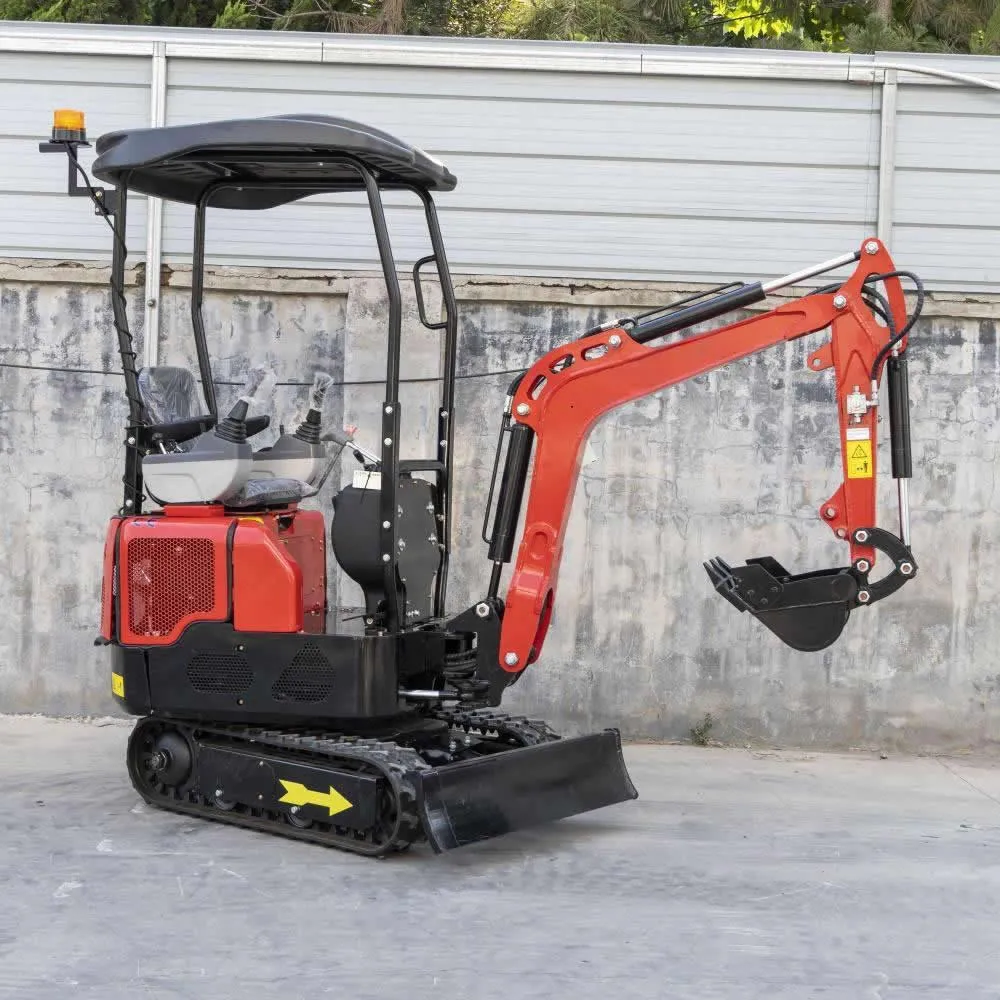
The engine compartment is the heart of the mini excavator, and regular cleaning prevents debris accumulation and reduces the risk of overheating.
Cleaning the radiator and cooling fan: Ensure that the radiator and fan in the engine compartment are free of dust to prevent poor cooling and engine overheating. After each work cycle, check for debris blocking the radiator and clean it promptly.
Checking belts and drive system: The engine belts need to be regularly checked for wear, cracks, or looseness. Especially the belts connecting the fan, hydraulic pump, and water pump; looseness or damage will affect the normal operation of the equipment and should be replaced promptly.
The track system is crucial to the stability and mobility of the mini excavator. If the tracks malfunction, it will directly affect the excavator's work efficiency. Under normal circumstances, the track's upward movement distance is usually between 10mm and 15mm. Check Track Tension: Excessive or insufficient track tension will affect the smoothness of movement. Adjust the track tension according to actual working conditions. Check track tension every 300 hours.
Clean Tracks and Undercarriage: When working in muddy or sandy construction sites, mud and debris can easily accumulate on the tracks and undercarriage. Clean them promptly to prevent excessive track wear or obstruction of movement.
The mini excavator's electrical system includes the battery, sensors, control system, etc. The stability of the electrical system determines the excavator's intelligence level and operating accuracy.
Check Battery Voltage and Connections: Ensure the battery voltage is normal. Check if the battery terminals are corroded or have poor contact. Clean the terminals and add battery fluid if necessary. Mini excavators mostly use batteries; if the machine is parked for more than a week without use, disconnect the negative terminal switch (if available) or remove the negative terminal wire.
Check Wiring and Sensors: Regularly check the electrical wiring for exposed or worn areas, especially in humid environments, where the waterproof performance of sensors and wiring is particularly important. Open the engine side cover and check for signs of rodent damage to the wires or wear and tear due to vibration. The wiring space in mini excavators is small, and short circuits are difficult to troubleshoot.
|
Inspection items |
Key points of operation |
Judgment criteria |
Reference frequency |
|
Hydraulic oil level |
Five minutes after stopping the machine, on a level surface, pull out the dipstick. |
The oil level should be between the "MIN" and "MAX" marks, and the oil should be clear and free of emulsification. |
every time |
|
Engine oil |
Check the engine when it's cold, pull out the dipstick. |
The oil level is at the middle line of the scale, with no black residue and no diesel smell. |
every time |
|
Air filter |
Remove the filter and gently tap the back. |
If the filter element turns black or is more than 50% clogged, clean or replace it immediately. |
Every 50–100 hours |
|
Track tension |
Use a crowbar to lift the track and measure the sag. |
Standard value:20–30mm(refer to the model manual). Too loose and it's prone to derailment; too tight and it accelerates wear on the drive wheels. |
daily |
|
Lubrication points |
Use a grease gun to apply grease according to the lubrication diagram. |
fresh greaseis squeezed out from each lubrication point ; the process stops when all old grease is squeezed out. |
Every 10–20 hours |
|
Oil-water separator drainage |
Open the bottom drain valve |
Drain the clear or turbid liquid until pure diesel oil flows out. |
Every time (especially during the rainy season) |
|
Electrical connector |
Disconnect the battery terminals and check for green rust. |
The connectors are shiny and free of oxidation, and the terminals are securely fastened without any looseness. |
every time |
After each operation, it's best to perform a quick overall inspection of the machine and address any problems promptly.
Check the Hydraulic System: After operation, check for any hydraulic oil leaks. The hydraulic pipe joints are most prone to loosening or leakage.
Check Tracks and Bucket: Check the wear of the tracks and whether the bucket has any obvious cracks or damage. Repair them promptly to avoid affecting the next operation.
Although the basic maintenance and upkeep of mini excavators may seem tedious, performing them on time can effectively extend the equipment's service life, reduce malfunctions, and improve work efficiency. Mastering these basic maintenance techniques is crucial for mini excavator operators and maintenance engineers. By regularly inspecting the hydraulic system, air filter, fuel system, and tracks, promptly cleaning the engine compartment, adjusting tension, and performing routine troubleshooting, you can ensure that the excavator maintains stable and efficient operation even under harsh working conditions.
Regular maintenance is an ongoing process, but the rewards are significant, greatly benefiting both the equipment's lifespan and the safety and stability of operations. We hope all operators will take each maintenance task seriously to ensure the excavator remains in optimal working condition.

