Excavators (230 vehicles for sale)

Show description

Excavator is a kind of engineering machinery with high efficiency and powerful function, it is an important equipment in engineering machinery, suitable for earth excavation, handling, crushing and other tasks, its structure and configuration vary according to the working environment and task requirements, and it is widely used in the fields of construction, mining, transportation, port, mining, agriculture and so on. It mainly carries out earth excavation, crushing, lifting, loading and other tasks through attachments such as robotic arms and buckets. The power source of the excavator is usually an internal combustion engine (diesel or electric), and relies on the hydraulic system to control the movements. Excavators can be categorized into tracked, wheeled, mini, heavy and other types according to their working methods and designs

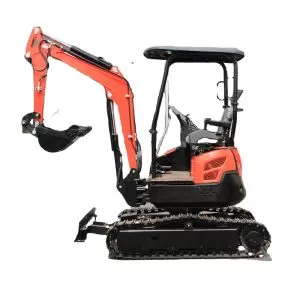
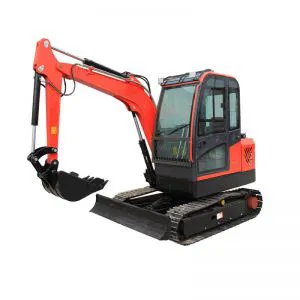
Mini Excavator

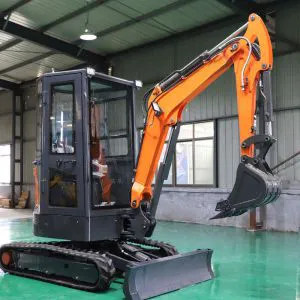
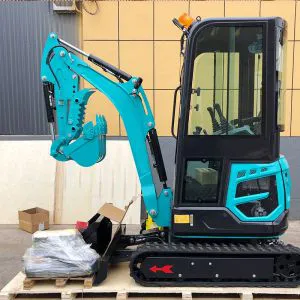
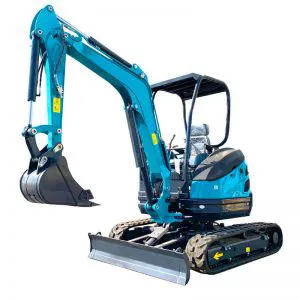
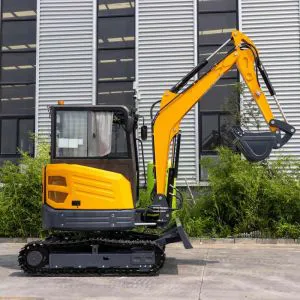
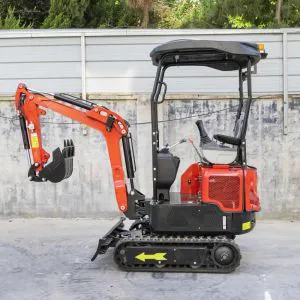
Mini Excavator is a small, compact excavator suitable for working in narrow spaces, such as urban construction and demolition, gardening and so on. Despite its small size, its hydraulic system and power system can also provide enough working capacity and flexible operation.

Wheel Excavator

Wheel excavator adopts wheeled chassis, which is suitable for high speed driving on smooth road. Compared with tracked excavators, it has better mobility and is suitable for handling and operation in city construction, highway and other engineering projects.

Medium-sized Excavator

Medium-sized excavator is suitable for medium-sized construction and civil engineering projects, usually with high working efficiency and strong load capacity. It is widely used in urban construction, mining and other medium-sized operating environments.

Large Excavator

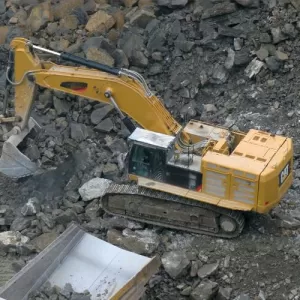
Large excavator is suitable for heavy earthmoving operations and is usually used in large-scale mining, large-scale infrastructure construction, harbor works and so on. They have a powerful power system and oversized buckets, enabling them to complete large-scale operations efficiently and quickly.

Crawler Excavator

Crawler Excavator adopts crawler chassis with strong stability, which is suitable for rugged terrain, soft ground or muddy environment. It has a large traction and ground contact area and can maintain stable work in harsh conditions.

Excavator Attachments

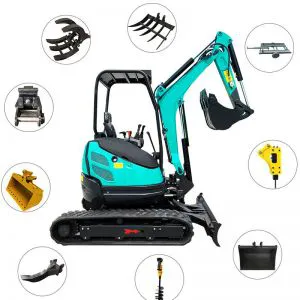
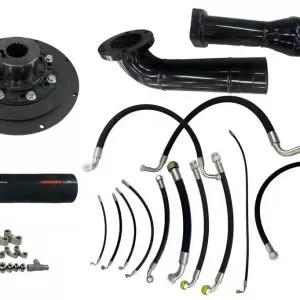
Excavator attachments are the key part of the excavator to realize multi-functional operation. Common attachments include crushing hammers, grapples, rotary drills, graders and so on. These attachments can be customized according to different operational needs, improving the flexibility and adaptability of the excavator.

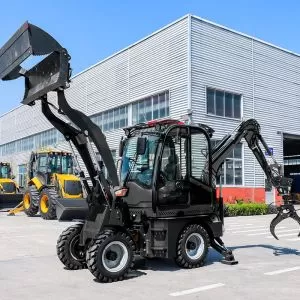
China 7640kg 0.15m³ Backhoe Loader

China 7640kg 0.15m³ Backhoe Loader

US$3000-5000
Min. Order : 1
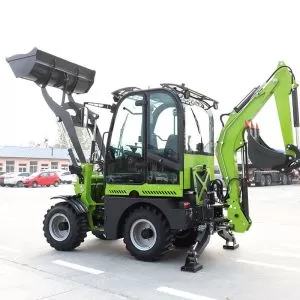
China 1m³ 75KW Backhoe Loader

China 1m³ 75KW Backhoe Loader

US$3000-5000
Min. Order : 1
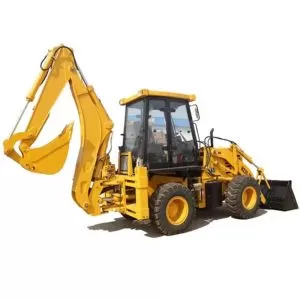
China 7640KG 75KW backhoe loader

China 7640KG 75KW backhoe loader

US$4000-5600
Min. Order : 1

Excavators Blos

/static/upfiles/thumb/69685d78b3c2a.webp

Excavator Quick Coupler: Function and Maintenance Significance

An excavator quick coupler is a mechanism that allows excavators to quickly change work attachments (such as buckets, breakers, and grapples) without manually removing connecting pins. It improves equipment deployment efficiency, reduces manual intervention and downtime, but its complex structure and heavy load-bearing capacity mean that improper maintenance can lead to safety risks and high repair costs.

15 January 2026

/static/upfiles/thumb/69670704ec0b3.webp

Maintenance and Upkeep of Excavator Attachments such as Hydraulic Breakers and Auger Drills

After daily operation, excavators and their attachments require maintenance and upkeep. This document discusses the maintenance and upkeep of excavator attachments such as hydraulic breakers and auger drills from the perspective of on-site operation and technical maintenance. This is not only fundamental to mechanical preservation but also directly relates to the efficiency, safety, and service life of the equipment. Based on engineering machinery technology, combined with practical operating experience and industry practices, this document provides an introduction to the maintenance and upkeep of excavator attachments such as hydraulic breakers and auger drills, hoping to serve as a practical maintenance guide for industry professionals.

14 January 2026

/static/upfiles/thumb/686e120f55978.webp

How to Perform Maintenance and Upkeep on Mini Excavators: An Analysis from a Repair Engineer's Perspective

Mini excavators are gradually gaining importance in the construction machinery industry, especially in urban construction, landscaping, and small-scale earthmoving projects, due to their small size and high flexibility. However, any mechanical equipment will face wear and tear and malfunctions during operation. Many users, after purchasing a mini excavator, neglect maintenance because they think it's small and simple in structure. Therefore, regular maintenance is crucial to effectively extend the machine's service life, improve operating efficiency, and reduce failure rates. This article will explain in detail, from the perspective of a mini excavator repair engineer, how to perform basic maintenance and upkeep after the mini excavator has been used in working conditions.

13 January 2026

/static/upfiles/thumb/68819eac2be11.webp

Troubleshooting and Repair Methods for Common Faults in Large Excavators

Large excavators (bucket capacity ≥ 20m³) operate for over 12 hours daily in high-intensity working conditions such as mining, quarrying, and earthmoving. The hydraulic system continuously withstands pressures exceeding 35MPa, electrical sensors respond at high frequencies, and mechanical components are subjected to impact loads for extended periods. Common faults after operation are concentrated in four core modules: the hydraulic system, power system, structural components, and electrical system. This article, based on mainstream manufacturer repair manuals and field cases, systematically outlines typical fault diagnosis paths and standardized repair procedures for the reference of frontline engineers.

12 January 2026

/static/upfiles/thumb/693aa1a3eb478.webp

Maintenance Case Study of Engine and Hydraulic Oil in Medium-Sized Excavators

Medium-sized excavators typically refer to hydraulic excavators with a total weight between 15 and 30 tons. They are the main equipment used in earthmoving projects, municipal construction, farmland irrigation, and small-scale mining. Medium-sized excavators are frequently used in engineering projects, so routine maintenance is crucial, especially the maintenance of the engine and hydraulic system, which are core components for the normal operation of the excavator. This article will discuss in detail how to properly maintain the engine and hydraulic oil of medium-sized excavators through practical maintenance cases, in order to extend the machine's service life and ensure its efficient operation.

09 January 2026

/static/upfiles/thumb/686e0bd50a69a.webp

Correct Maintenance and Repair Guidelines for Tracked Excavator Hydraulic Systems

The hydraulic system of a tracked excavator is the core nervous system for power transmission and motion execution. It is the "heart" of the tracked excavator, and its performance directly affects the equipment's working efficiency and lifespan. Statistics show that hydraulic system failures account for more than 60% of unplanned downtime for excavators, and 90% of these failures are due to improper maintenance. Normal system operation means that the boom, arm, swing, and travel mechanisms can reliably output force and speed. Improper maintenance of the hydraulic system will directly affect construction efficiency, increase the risk of failure, and in severe cases, may lead to damage to system components. Therefore, mastering the correct concepts and methods of system maintenance can ensure that the equipment operates efficiently, stably, and safely.

08 January 2026

/static/upfiles/thumb/686e1152ccedb.webp

Daily Maintenance of Excavators: Cleaning, Lubrication, and Hydraulic System Inspection

As a maintenance engineer, daily maintenance of excavators is not only a fundamental task for extending equipment life but also a core aspect of improving on-site work efficiency, reducing failure rates, and lowering maintenance costs. Excavators operate for extended periods in environments such as earthmoving, mining, and construction sites, making them susceptible to corrosion from dirt, dust, and oil. Insufficient lubrication or hydraulic system problems can often lead to serious malfunctions. Therefore, the three tasks of "cleaning, lubrication, and hydraulic inspection" must be strictly performed, combined with meticulous maintenance tailored to the actual operating environment.

07 January 2026

/static/upfiles/thumb/686f276f4f37f.webp

Proper Lubrication and Maintenance of Excavator Attachments

Excavators, as highly efficient engineering machinery, are widely used in construction, mining, road construction, and other fields due to their powerful working capabilities. To ensure the stable operation of excavators in various complex environments, the lubrication and maintenance of attachments are particularly important. This article will focus on commonly used excavator attachments—such as hydraulic breakers and buckets—and discuss how to properly lubricate and maintain these attachments to extend their service life and improve work efficiency.

03 November 2025

/static/upfiles/thumb/686e1152ccedb.webp

Routine Inspection Items for Large Excavators After Long-Term Operations

Large excavators operate in industrial and mining environments, such as mines, open-pit quarries, and infrastructure earthmoving, often running continuously for hours or even tens of hours. Under prolonged operation, fatigue accumulates in various systems, wear accelerates, and potential hazards arise. To ensure equipment reliability, safety, and economic lifespan, a systematic routine inspection immediately after operation is crucial. This article analyzes key inspection items for large excavators after long-term operation from a professional perspective and provides practical operational suggestions for on-site maintenance management and work teams.

31 October 2025

/static/upfiles/thumb/68551a533702f.webp

Precautions for Tracked Excavators Operating on Wet and Slippery Ground

Tracked excavators, with their large ground contact area and traction, have a significant advantage in operating on complex terrain. However, even these tracked "steel behemoths" face serious challenges when dealing with mud, water, snow, or slippery, soft soil. In engineering environments such as mining, infrastructure, and industrial projects, tracked excavators (crawler excavators, track-type excavators) offer a clear advantage over wheeled equipment on soft, slippery ground.

30 October 2025

More blogs about Excavators
Get Free Quote

More Contact Details

Jessie Chen

0086-13738639686

Email:sales@cqwendy.com

Contact me whatapp

Yubei District, Chongqing, China.

contact us
contact us