
Concrete pump trucks are widely used in the construction industry, efficiently and quickly transporting concrete to various locations on the construction site. However, blockages in the pump truck pipelines are a common problem during prolonged use, causing concrete delivery interruptions, affecting construction progress, and potentially damaging the equipment. This article analyzes troubleshooting and handling methods for concrete pump truck pipeline blockages, helping engineers and maintenance personnel to resolve this issue efficiently and accurately.
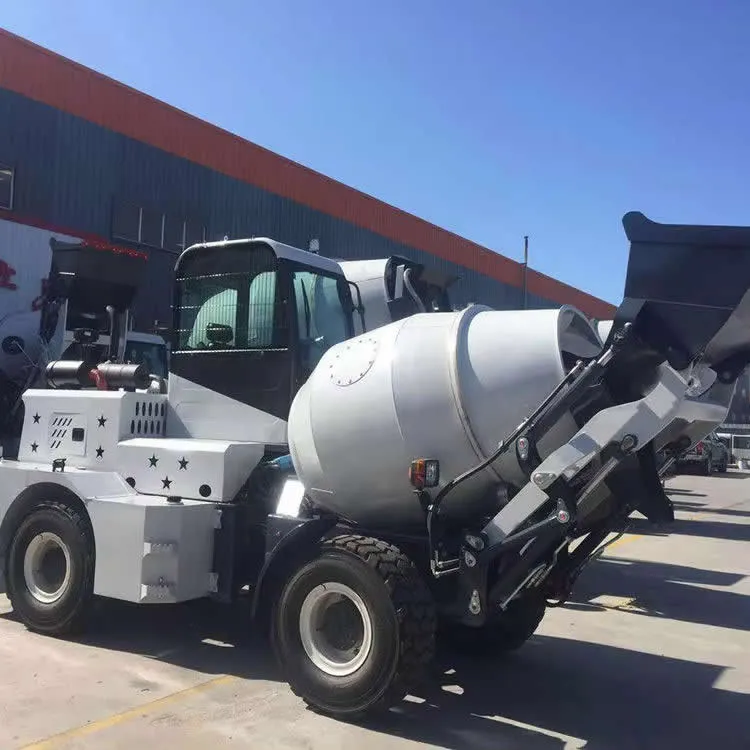
Before analyzing troubleshooting and handling methods, it's essential to understand the common causes of concrete pump truck pipeline blockage, which mainly include the following:
1.1 Improper Operation
Operator's inattention, failing to notice abnormally high pressure gauge readings in time.
Inappropriate pumping speed selection; failure to use low speed for the initial pumping.
Improper control of residual material; too little or too much residual material in the hopper.
Forced pumping when the concrete slump is too low.
1.2 Concrete Mix Proportioning Issues
Aggregate particle size too large or too small, affecting fluidity.
Poor sand gradation; insufficient fine sand content.
Insufficient cement or uneven mortar proportions.
1.3 Pipeline Connection Issues
Pipeline layout not following the principle of shortest distance and fewest bends.
Direct connection of bends at the outlet cone pipe.
No anti-segregation device installed on vertically downward pipes.
1.4 Other causes
Foreign objects entering and blocking the pipe
Concrete segregation, mortar and aggregate separation
Air blockage at bends during deep foundation pit pumping.
2.1 Preliminary judgment
Observe the pressure gauge: A sudden increase in pressure without backflow indicates a possible blockage.
Listen to the sound: Gently tap the pipe with a hammer; a dull sound indicates the blockage point.
Check the material level: Pressure increases but the hopper level does not decrease, and there is no material output from the pipe outlet.
2.2 Locating the blockage location
Segmented testing method: Starting from the pump truck outlet, disassemble and test in sections to gradually narrow down the area.
Sound wave localization: Dense sections have a higher pitch, while normal sections have a crisp sound.
Common blockage locations: Bends, conical pipes, and areas subject to vibration.
2.3 Specific troubleshooting methods
|
Blockage |
Phenomenon |
Investigation methods |
|
feed inlet |
Pumping is normal, but aggregate is stuck in the hopper. |
Observe the situation inside the hopper |
|
discharge port |
The system is interrupted, with abnormal sounds and vibrations. |
Listen to the device sound |
|
S-tube valve |
Failure to flush promptly after pumping |
Check for residue in S-tube |
|
delivery pipe |
Pressure continues to rise, no material is discharged. |
Segmented tapping test |
After determining the location of the blockage, the next task is to treat it. Here are some common methods for handling blockages:
3.1 Pipe Cleaning
For blockages caused by hardened concrete, pipe cleaning can resolve the issue. Common cleaning methods include:
Water Flushing: Using a high-pressure water pump, the powerful water flow can break up the hardened material inside the pipe.
Cleansing Agent Method: Using a specialized pipe cleaner in conjunction with water flushing can effectively remove hardened concrete.
3.2 Pipe Disassembly
When cleaning methods fail to resolve the blockage, pipe disassembly is necessary. During disassembly, pay attention to the following:
First, turn off the power and air supply to the pump truck to ensure safe operation.
During disassembly, check the pipes for cracks or damage; replace any damaged pipes promptly.
During disassembly, record the connection positions of each pipe to ensure proper reconnection during reinstallation.
3.3 High-Pressure Gas Blowing
For minor blockages, high-pressure gas can be used to blow out the blockage. The high-pressure airflow forcefully blows out the concrete inside the pipe, but it is crucial to ensure that the gas pressure does not exceed the pipe's capacity.
3.4 Using a Drain Cleaner
For severely clogged pipes, a specialized drain cleaner can be used. Drain cleaners are typically equipped with rotating brush heads or scrapers that use mechanical force to remove solidified material from the pipes.
3.5 Replacing Pipe Components
If normal flow cannot be restored after multiple cleanings, it may be necessary to replace damaged pipes or fittings. For example, some pipes may develop irreparable cracks or deformations after prolonged use; in such cases, replacing the parts is the most direct and effective solution.
To reduce the occurrence of pipe clogs, routine maintenance and prevention are crucial. Here are some effective preventative measures:
4.1 Operational Precautions
Maintain focus during pumping and observe pressure gauge changes.
Initially pump at low speed, gradually increasing speed after normal operation.
Control the residual material in the hopper between the mixing shaft and the guardrail.
4.2 Concrete Quality Control
Optimize the mix proportion to ensure reasonable aggregate gradation.
The content of particles smaller than 0.315mm in sand should be above 15%.
Pumping should not be forced when the slump is below 80mm.
4.3 Pipeline Maintenance
Clean the pipeline thoroughly with high-pressure water immediately after pumping.
Regularly inspect the sealing rings and select alkali-resistant and wear-resistant types.
Horizontal pipeline length should be ≥ 15% of the vertical pipeline length.
4.4 Pipeline Layout Optimization
Prioritize the shortest distance and fewest bends.
Connect a straight pipe of at least 5m at the outlet cone before connecting the bend.
Equip the downward pipeline outlet with an anti-segregation device.
5.1 Routine Inspections
Conduct monthly emergency drills for pipe blockage.
Check pipe opening flatness to prevent deformation and grout leakage.
Check pipe opening condition while replacing sealing rings.
5.2 Technical Improvements
Adopt "dual-admixture" technology to improve the pumpability of low-grade concrete.
Use admixtures with good cement compatibility.
Select well-graded sand and gravel raw materials.
5.3 Spare Parts Management
Keep 1-2 spare straight pipes, elbows, and a complete set of clamps on site.
Establish a standard emergency replacement procedure.
A low-pressure clean water test run must be performed after replacement.
Pipe blockage in concrete pump trucks is a common technical problem in construction, but timely investigation and correct handling methods can effectively avoid delays in construction progress. During daily use, engineers and maintenance personnel should strengthen the maintenance and management of pump trucks, achieving early prevention, early detection, and early handling to ensure the efficient operation of concrete pump trucks.

