
In forestry/municipal operations, lawn mowers not only face routine lawn mowing but also frequently navigate complex terrain, including rough terrain, tree roots, rocks, debris, ditch slopes, and road edges. Proper operation techniques and systematic maintenance measures not only improve efficiency and extend equipment life, but also reduce safety hazards and ensure quality work. This article will systematically explore best practices for lawn mowers from two key perspectives: "Operation Techniques" and "Maintenance," taking into account the specific characteristics of forestry and municipal environments.
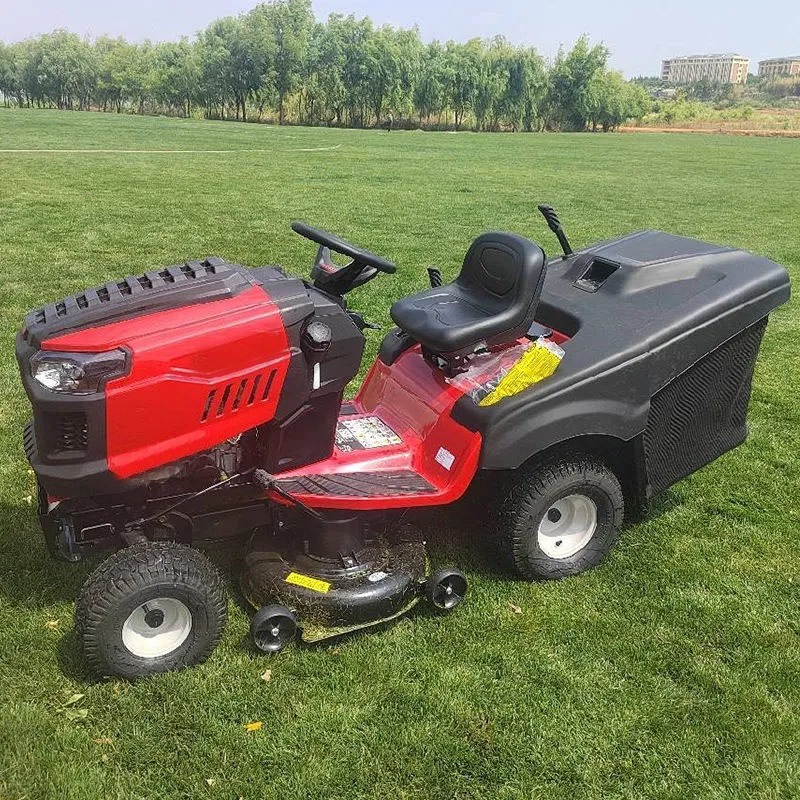
The operation phase is crucial for ensuring the smooth operation of a lawn mower (whether a push, ride-on, or trailer type). The following will cover four key steps: preparation, start-up, mowing, and completion, providing specific explanations based on practical forestry and municipal applications.
1.1 Pre-Operation Preparation
Terrain and Obstacle Inspection: In forestry and municipal operations, the working surface often contains tree roots, rocks, ditches, debris, and traffic obstructions. Before operation, be sure to inspect the working area and remove debris such as rocks, small tree stumps, metal pieces, and plastic bags to prevent the blades from striking obstacles and causing damage or flying rocks.
For areas like green belts and street lawns, a rotary mower with a grass bag is preferred to prevent grass clippings from flying and disrupting the appearance of the landscape. For slopes, horizontal mowing is recommended; mowers are prohibited if the slope exceeds 30°.
Mowing Height and Path Planning: The mowing height should be set based on grass conditions (growing height, type, weed/shrub ratio) and task requirements (whether clearing, disposal, or recycling is required). For example, a medium-height mowing height can be used for roadsides and large grasslands to avoid root cutting; a lower swath width can be used for forest edges or sparse woodlands to facilitate multiple growth control.
Equipment Inspection: Before starting, check the fuel, lubricating oil, hydraulic oil, tire/track condition, cutterhead/blade attachment, guardrails/safety devices, brakes, and travel systems. A thorough "pre-start inspection" can prevent unexpected stops and delays during operation.
Safety Protection and Environmental Isolation: Municipal operations often involve road traffic, pedestrians, and other construction machinery. Operators should wear safety gear (hardhats, protective glasses, ear protection, reflective vests, non-slip boots, etc.) and display warning signs. Operators should avoid areas with frequent human, vehicle, or pedestrian activity. When working in forested areas, operators should also be aware of potential risks from wild animals, snakes, insects, or fallen branches.
1.2 Startup and Initial Operations
Don't rush to load the machine during startup: After starting, run the machine at no load for a few minutes to allow the lubrication system and hydraulic system (if any) to reach normal working condition. Avoid immediately mowing with a full load, which may result in insufficient circulation of the engine or hydraulic oil.
Tips for Uphill/Uphill and Cross-Slope Operations: On steeply sloping sites (such as mountainous terrain, forest slopes, and drainage ditch slopes), it is recommended to operate on a cross-slope or uphill slope to avoid operating against the slope, which could cause the machine to lose control or throw grass upwards. Start at a low speed and maintain appropriate braking to ensure machine stability.
Mowing Speed and Blade Load Control: Adjust the speed based on the amount of grass, debris, and terrain. Excessive speed can cause the blades to drag, break roots, pull, or skip. Slow speeds can reduce efficiency and increase wear on components. Observe the quality of the cut: a neat stubble with no trailing or splits indicates a sharp blade and appropriate speed.
Avoid wet or waterlogged areas: In forestry and municipal applications, grass often contains stagnant water, mud, morning dew, or wet drainage ditches. Mowing wet areas not only results in poor cutting conditions (grass tangles and blade skipping), but can also cause tire slippage, ground subsidence, and even equipment instability. It's best to operate when the grass is slightly dry, dew has dissipated, and the soil is slightly firm.
Dealing with unexpected obstacles: If you encounter uncleared tree roots, fallen trees, large rocks, or metal fragments during operation, stop the machine immediately, disconnect the power source, and clear the obstruction before continuing. Avoid direct impact with the blades or chassis with hard objects to reduce the risk of damage.
1.3 Mowing Techniques
Use a zoned mowing method: For large areas (such as urban greenbelts and forest belt edges), we recommend a "outer first, then inner" mowing method. This means starting with a circle around the edge, roadside, or forest belt perimeter, then moving inward in sections. This reduces repetitive tracks and improves efficiency.
Maintaining the blade contact angle with the grass: The blade should contact the grass at an appropriate angle to ensure a clean cut. On sloping ground or areas with many obstacles, slow down slightly and maintain a steady pace to avoid blade root damage or tangling the grass.
Choosing a grass disposal method: In municipal operations, there are two possible ways to dispose of grass: direct blowing or bagging; and returning to the field/recycling the chopped grass. In the former, care should be taken to avoid spilling grass onto roads or public areas. In the latter, ensure the machine is equipped with a chopped grass or side discharge device, and clean the undercarriage regularly to prevent grass accumulation. Working in a dry environment improves efficiency. Wet grass can easily clog the blades and increase the load. Continuous operation should not exceed four hours. When mowing forage, control the cutting height by adjusting the center lever or the sliding shoe mounting holes. Adjust the guardrail to half the grass layer height for optimal mowing performance.
Maintaining the travel path and cutting swath overlap control: When working on slopes in forestry or municipal applications, controlling the operating path is crucial. The cutting swath overlap should be set to no more than 10% to avoid missing or double-cutting areas, which can lead to inefficiencies. At road edges or deep in forest belts, it is recommended to mow from high to low to prevent uncut areas from sliding into already cut areas.
Be aware of exhaust and fire risks: In specific forestry environments (especially during dry seasons), the mower's exhaust pipe can be a potential fire hazard. Regularly clean the exhaust vent and heat sink to prevent accumulation of grass clippings and dead leaves. Avoid prolonged downtime in extremely dry areas or areas with accumulated fuel (dead branches and grass).
1.4 End of Work and Closing
Flushing/Cleaning the Chassis and Cutter: After completing a job, move the mower to a level area and use air or water (if available) to clean grass clippings, sand, and debris from the chassis, cutter, and discharge port to prevent corrosion, buildup, and blade seizure. Reference materials indicate that keeping the chassis and chassis clean is crucial for extending life and reducing malfunctions.
Inspecting the Blades and Components: Immediately after a job, inspect the blades for bends, cracks, or chips, and determine if they need to be resharpened or replaced. If blades are severely damaged, suspend the next job until they have been replaced.
Fuel/Oil Handling: If the mower will be out of service for a short period, maintain fuel reserves or add fuel stabilizer to prevent oil deterioration and clogging the carburetor.
Parking and Safety Lockout: Ensure the mower is parked in a dry, ventilated area free of debris. Lock the operating handles or disconnect the power/ignition key to prevent accidental startup by unauthorized personnel. In addition, if mowing in a public place, a warning sign should be placed to prevent accidental contact.
A good maintenance system ensures the long-term reliable operation of lawn mowers in forestry and municipal applications. The following describes key maintenance items from three perspectives: daily maintenance, scheduled maintenance, and long-term storage.
2.1 Daily Maintenance (Daily/Before and After Each Operation)
Removing Grass Clippings and Debris: Extinguish, blow, or brush away grass dust, sand, and debris from the mower chassis, cutting deck, grass discharge port, and heat sink. Accumulation of debris not only affects cutting efficiency but can also cause overheating, corrosion, or abnormal blade stress.
Visually inspect vulnerable parts: blades, belts, pulleys, hydraulic hoses, tires or tracks, brake systems, and safety devices. Before and after each operation, perform a brief inspection for cracks, warping, oil leaks, and loose bolts. Verify that there are no chips, cracks, or loose parts. Reverse or replace worn blades promptly. Rotating blades require periodic lubrication of fasteners.
Check the oil level and wear status: including engine oil, fuel, hydraulic oil (if any), and coolant (if applicable). Low oil levels or poor oil quality accelerate wear and reduce power. Check the oil level before operation. For new mowers, change the oil every 5 and 10 hours, and regularly thereafter. Excessive oil levels cause carbon deposits, while insufficient oil levels accelerate gear wear.
Clean the cooling system: Clean grass clippings from the radiator after each operation to prevent engine overheating and cylinder scuffing.
Check blade wake-up status: Before starting operation, confirm that the blades rotate smoothly, are free of abnormal vibration, and have no visible cracks or nicks. Any blades that are dull or abnormal should be repaired or replaced immediately.
2.2 Regular Maintenance (Hourly/Seasonal)
Change the engine oil and filter: For commercial mowers, change the oil according to the manufacturer's recommended operating hours or every season. Common recommendations for newer or larger models are every 25 hours or every season. Dust the paper filter element. Clean the sponge filter element with gasoline and then lubricate it with a little lubricant to keep it moist. Replace any dirty filter element immediately to avoid engine power loss.
Replacing or cleaning the air filter/fuel filter: Forestry and municipal operations are subject to heavy loads of dust, weeds, and dirt, so they should be cleaned or replaced more frequently than in regular lawn operations.
Sharpening and balancing the blades: Dull or deformed blades can pull on the grass, increase engine load, and result in uneven cuts. Blades should be sharpened, replaced, and balanced regularly. Sharpening every 20–25 hours or every two to three operating seasons is generally recommended.
Belts/drive components and lubrication: Inspect the belt for cracks, wear, or looseness. Regularly grease the bearings, pulleys, and shafts. Forestry/roadside environments are prone to high levels of sand, moisture, and debris, which can accelerate wear.
Hydraulic System Inspection (if applicable): For mowers with hydraulic cutters, trailer mowers, or crawler mowers, regularly check for hydraulic oil cleanliness, hose connection leaks, and cylinder condition.
Tires/Tracks and Tracks: Ensure tire pressure is correct, there is no severe wear, and the tracks are properly tensioned. Improper track condition can result in uneven cutting, machine body tilt, and uneven stubble.
2.3 Long-Term Shutdown and Storage Maintenance
Fuel Stabilization: If the machine needs to be out of service for an extended period (such as during the off-season or maintenance), add fuel stabilizer or drain the fuel and allow the engine to run to empty to prevent oil deterioration and carburetor blockage.
Rust and Corrosion Prevention and Cleaning: Thoroughly clean the mower chassis, cutting deck, discharge port, and shaft, and spray with rust inhibitor, especially in high humidity, coastal, or rainy areas. Then, store covered in a well-ventilated, dry place.
Disconnecting the power or removing the battery: For electric or riding mowers, disconnect the power cord, remove the battery, and fully charge and store in a dry place to prevent damage from battery drain.
Perform a pre-season inspection: Before the next use, recheck all lubrication points, replace worn parts, adjust the cutting width, balance the blade, and check safety devices and overall operating status.
3.1 Coping with Diverse Terrain
When operating in forest belts, riverbanks, slopes, roadsides, and areas with street trees, the terrain is complex, with numerous obstacles and limited visibility. It is recommended to use mowing equipment equipped with a side-discharge cutter, floating suspension system, or tracked chassis. Corresponding operating techniques include reducing the cutting width, slowing down the propulsion, and avoiding exposed root areas when approaching tree roots or shrub edges.
3.2 Public Safety and Traffic Interference Control
Municipal operations often occur near roads and pedestrian walkways. Low-noise, high-efficiency equipment should be selected. Traffic barriers, reflective signage, and lighting should be provided for nighttime operations. Additionally, grass clippings and debris must not be scattered onto roads to avoid traffic accidents or cleanup burdens.
3.3 Frequent Starts and High-Intensity Operating Conditions
Municipal and forestry operations often involve heavy workloads, frequent starts, and the need to cut wide vegetation. This places a higher load on the mower than in a home setting. Maintenance intervals should be shortened. For example, the air filter, blades, and belts should be inspected daily or after each cycle.
3.4 Mixed Mowing of Weeds and Shrubs
In densely weeded areas in forestry or municipal operations, mowers not only mow grass but also handle shrubs, branches, and debris. This requires thicker, stronger blades and a stronger chassis. During operation, avoid direct contact between the blade and wood piles or roots. Clear obstacles manually or with an axe before mowing. It is recommended to keep a spare blade nearby to ensure continuous operation.
3.5 Fire Source Control and Environmental Protection Requirements
In forested environments, especially during dry seasons, fire prevention measures must be taken during operations. High heat from the exhaust pipe and friction between the cutting disc and debris can also cause sparks. Avoid prolonged downtime in areas with accumulated dead grass or branches. Clean the discharge outlet and ensure the machine is free of foreign objects. In municipal environments, comply with local environmental regulations to prevent mowing debris from impacting drains and public facilities or causing blockages.
In complex, high-load, and high-risk environments like forestry and municipal operations, lawn mower operation techniques and maintenance procedures are far more complex than simply replicating those of home mowers. Standardized operation and system maintenance are key to ensuring efficient operation of lawn mowers in forestry and municipal applications.
Choosing a model tailored to the specific environment, strictly adhering to safety procedures, and performing regular maintenance can significantly extend equipment life and reduce operational risks. Terrain adaptation, path planning, speed control, obstacle avoidance, and safety isolation are all key to ensuring efficiency and safety. Maintenance procedures, including daily cleaning, blade management, lubrication and water inspections, regular maintenance, and long-term downtime protection, directly impact equipment life, failure rate, and overall cost.

