Commercial Vehicles (400 vehicles for sale)

Show description

Relying on the four major classifications of Cargo, Tractor, Heavy-duty and Special-purpose, the commercial vehicle industry accurately covers multiple scenarios from light warehousing to high-intensity outdoor industry, covering a wide range of industrial vehicles to meet the needs of logistics, construction sites, manufacturing and other scenarios for cargo handling, towing, heavy-duty and special-purpose applications. According to the difference in use and structure, they can be divided into Cargo, Tractor, Heavy-duty and Special-purpose, each of which is subdivided into different types of forklifts and related industrial vehicles. The commercial vehicle industry is accelerating its development in the direction of “electrification, intelligence, and special-purpose customization”: the popularity of electric forklift trucks has increased significantly, fuel cells and AI-assisted control have become hotspots for innovation, and the promotion of remote control and automation equipment for high-risk environments has become obvious. Although traditional structure still dominates, high efficiency, green safety and digital empowerment will become the core of commercial vehicle development in the future.

Cargo Series

Cargo commercial vehicles are mainly used for short-distance transportation, carrying light to medium loads, and usually adopt high-efficiency forklift arms, pallet systems, or boxes. Representatives of this segment include electric forklifts, hand pallet trucks and other equipment, which are widely used in warehousing, retail and distribution centers, with a focus on operator comfort, energy consumption and efficiency optimization. The global forklift market is dominated by electric (Class I-III) models, which promote the development of green logistics.

Traction Series

Traction vehicles are used to tow trailers or trailers, and are commonly used in ports, airports, and multi-trailer towing logistics scenarios within factories. Including tractor and Tow Tractor, which can be operated remotely or automatically to enhance the coherence and safety of internal logistics, and is an important part of the automated warehousing system.

Heavy Industry Series

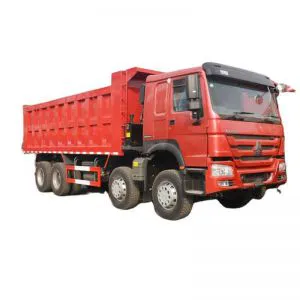
Heavy duty commercial vehicles are designed for high-load, high-intensity outdoor conditions such as construction sites, mines and ports. The product line includes rough terrain forklifts (Rough terrain/Class VII), heavy-duty forklifts (Class V), heavy-duty tractors, etc., which are equipped with large tonnage, high load-resistant capacity and off-road performance to adapt to muddy and unpaved terrain.

Special Series

Specialized trucks are designed in accordance with specific operating environments, such as cold storage, electroplating plants, chemical warehousing and so on. They include remote-controlled forklifts, fuel cell forklifts, fire-fighting forklifts, self-guided AGVs, and explosion-protected forklifts. The trend of intelligence and automation has been obvious in recent years, and fuel cell and AI-driven forklifts have gradually landed to improve energy efficiency and precision.
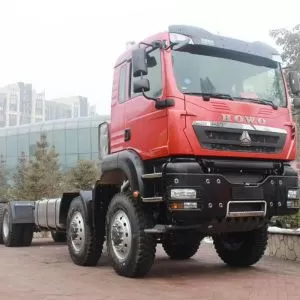
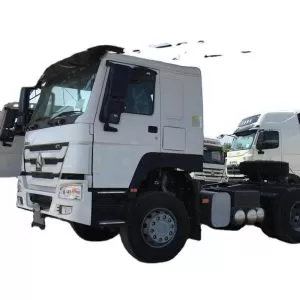
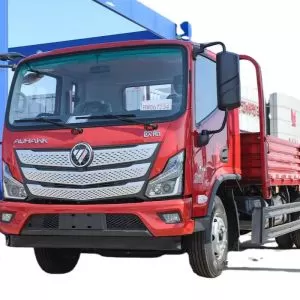
Howo N5W medium-duty truck, flatbed truck

Howo N5W medium-duty truck, flatbed truck

US$25400-25400
Min. Order : 1

Commercial Vehicles Blos

/static/upfiles/thumb/68f1ec3d64394.webp

Introduction to the Maintenance and Upkeep of Cooling Systems for Specialized Passenger Vehicles

The maintenance and upkeep of cooling systems for specialized passenger vehicles constitute a critical component in ensuring efficient vehicle operation and extending service life. Due to their specific applications and extended operating durations, specialized passenger vehicles are subject to more stringent requirements regarding their cooling systems. Consequently, diligent daily inspection and maintenance of the cooling system not only serve to effectively prevent malfunctions but also enhance the overall operational efficiency of the vehicle.

20 March 2026

/static/upfiles/thumb/68f7536c757de.webp

Engine Maintenance and Care Guidelines for Heavy-Duty Passenger Vehicles

As high-load, high-performance vehicles, heavy-duty passenger buses are widely utilized in fields such as engineering construction, mining operations, and general transportation. The engine, serving as the vehicle's core component, bears the critical responsibility of power output and directly impacts the vehicle's transport efficiency, operational safety, and running costs. Consequently, regular maintenance and care are paramount for extending the engine's service life and enhancing overall operational efficiency. Drawing upon the specific characteristics of heavy-duty passenger buses, this article provides a detailed guide on how to perform engine maintenance and care following daily transport operations, as well as key points requiring special attention.

17 March 2026

/static/upfiles/thumb/6901becd1985d.webp

Introduction to the Maintenance and Servicing of Braking Systems for Towed Passenger Coaches

In the daily operation of towed passenger coaches, the braking system stands as one of the core systems safeguarding vehicle safety. Particularly after completing long-distance transport missions—during which the vehicle operates under high-load conditions for extended periods—the friction components, pneumatic elements, and piping assemblies within the braking system are subjected to varying degrees of wear and fatigue. Failure to conduct timely and systematic inspections and maintenance will not only degrade braking performance but may also introduce safety hazards during subsequent operations. Consequently, upon the completion of a long-distance transport mission, it is typically necessary to perform a comprehensive inspection and maintenance of the braking system to ensure the vehicle remains in a safe and reliable operating condition.

13 March 2026

/static/upfiles/thumb/68ff10bd3f80b.webp

Introduction to the Inspection and Maintenance of Engineering Coach Chassis and Suspension Systems

Engineering coaches frequently perform high-intensity operations in complex terrain environments, such as construction sites and mining areas. As the core components responsible for bearing the majority of operational loads—serving as the central elements for load-bearing and shock absorption—the chassis and suspension systems are prone to typical issues such as aging rubber bushings, fatigue cracks in metal parts, air spring seal failures, and loose fasteners. Maintaining these systems in good working order is crucial for the vehicle's stability, ride comfort, and safety. Therefore, regular inspection and maintenance are of paramount importance. This article provides a detailed overview of the routine inspection and maintenance procedures for chassis and suspension systems, aiming to ensure that engineering coaches operate in their optimal condition.

10 March 2026

/static/upfiles/thumb/6904711d3b8de.webp

Commercial Vehicle Battery Maintenance and Fuel System Anti-Freezing Measures in Cold Regions

Winter in cold regions presents rigorous challenges to various systems of commercial vehicles. Low temperatures can make materials brittle, slow down electrochemical reactions, and thicken lubricants, directly affecting vehicle starting performance, driving stability, and overall reliability. In cold regions, especially during winter, it is essential to plan ahead and strictly implement winter maintenance strategies for commercial vehicles to ensure safe and efficient operation. This article focuses on the technical details of battery management and fuel system anti-freezing measures.

06 January 2026

/static/upfiles/thumb/695b536d49ac3.webp

Systematic Safety Analysis of Overloading Risks in Commercial Cargo Vehicles

Commercial cargo vehicles are an important component of the modern transportation industry, widely used for transporting goods across various sectors. However, overloading frequently occurs during transportation, especially when transportation demand is high and time is limited, leading drivers or transportation companies to disregard load limits. Overloading of commercial cargo vehicles is not simply a matter of "carrying more goods," but a fundamental breach of the vehicle's design load limits. This article will analyze in detail the risks and consequences of overloading commercial cargo vehicles from the perspective of safe driving, helping industry personnel better understand and prevent overloading risks and ensure transportation safety.

05 January 2026

/static/upfiles/thumb/6954933d4fb61.webp

Maintenance and Repair Guide for Sanitation Vehicles and Specialized Vehicles

Sanitation vehicles, as essential tools for urban environmental cleaning, operate year-round in harsh working environments, especially in areas with heavy dust, pollution, and humidity. Therefore, timely and effective maintenance and repair are crucial for extending the service life of sanitation vehicles, improving work efficiency, and ensuring operational safety. This article, from the perspective of a sanitation vehicle maintenance engineer, will detail the maintenance and repair precautions for sanitation vehicles after prolonged operation, helping to improve their operational efficiency and safety.

04 January 2026

/static/upfiles/thumb/6954933d4fb61.webp

What inspections are required for sanitation vehicles before and after operation?

Sanitation vehicles, as the "cleaners" of the urban public environment, undertake important tasks such as sweeping and waste transportation. To ensure their efficiency and safety, pre- and post-operation inspections are crucial. Facing a high-intensity, high-load working environment, the reliability of the vehicle directly affects operational safety and efficiency. As a sanitation vehicle maintenance engineer, we need to understand the inspection requirements for each stage to ensure the normal operation of sanitation vehicles and extend their service life. The following are the inspection items required before and after operation.

31 December 2025

/static/upfiles/thumb/6951f49f25dd2.webp

Standardized Maintenance and Repair Guide for Heavy-Duty Engineering Vehicles After Operation

Heavy-duty engineering vehicles are widely used in harsh engineering environments such as mining areas, construction sites, and transportation, carrying out important production tasks. These vehicles typically operate under high load and high intensity conditions, therefore, regular maintenance and repair are crucial to ensure the reliability and service life of heavy-duty engineering machinery after high-intensity, high-load operation. This article, from the perspective of heavy-duty vehicle maintenance engineers, will detail the maintenance and repair steps for these vehicles after transportation, combining the Chinese Engineering Machinery Industry Association standard (GB/T 37143-2018) and frontline practical experience, to extract actionable maintenance points to ensure their long-term efficient and safe operation.

30 December 2025

/static/upfiles/thumb/6951f49f25dd2.webp

Dust and Corrosion Protection Solutions for Heavy-Duty Vehicles in Harsh Environments

Heavy-duty vehicles (such as mining dump trucks, engineering transport vehicles, and large excavators) operate for extended periods in harsh environments such as mining areas, deserts, and mountainous regions. They frequently face high-intensity working conditions and extreme natural environments, encountering complex erosion from high concentrations of dust, high-temperature sandstorms, mud and salt spray, and strong vibrations. These environments pose serious challenges to the dust and corrosion protection capabilities of these vehicles. This article will analyze and introduce, from the perspective of professional maintenance engineers, how to ensure the normal operation of heavy-duty vehicles in these harsh environments through scientific design and effective maintenance.

29 December 2025

More blogs about Commercial Vehicles
Get Free Quote

More Contact Details

Jessie Chen

0086-13738639686

Email:sales@cqwendy.com

Contact me whatapp

Yubei District, Chongqing, China.

contact us
contact us