
In daily operations, close attention must be paid to the tire pressure management and replacement of heavy-duty trucks. Tires are the sole components of a heavy-duty truck that make contact with the ground; consequently, the status of their air pressure—whether normal or abnormal—directly impacts the vehicle's driving safety, load-carrying capacity, and fuel efficiency. This article provides a detailed guide on how to manage tire pressure prior to daily transport operations, along with guidelines and key considerations for tire replacement.
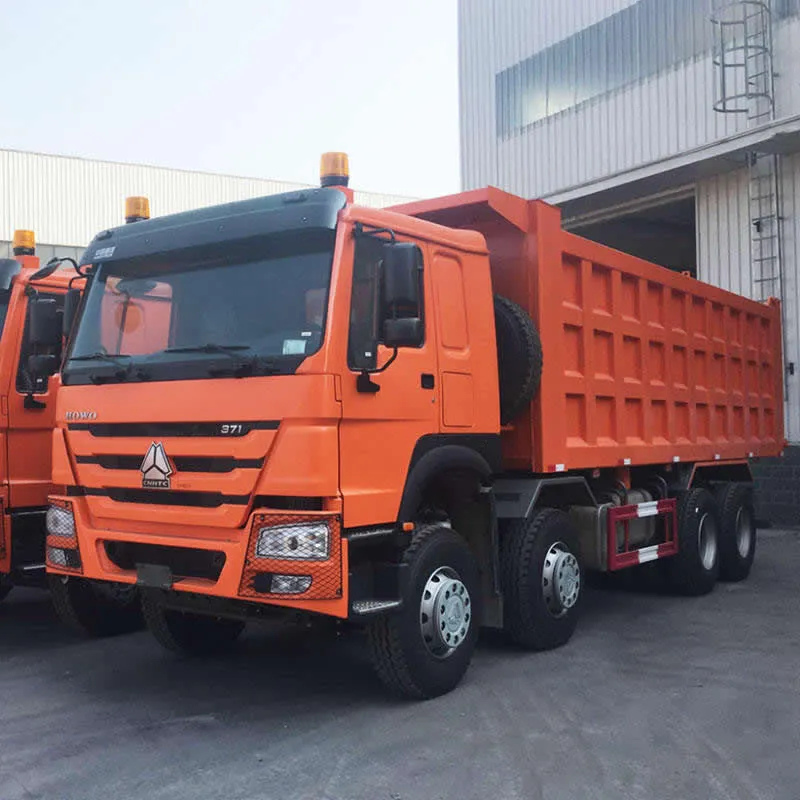
Tire pressure directly influences a vehicle's driving performance. Insufficient pressure leads to excessive tire wear, increased fuel consumption, and can even trigger serious accidents such as blowouts. Conversely, excessive pressure may compromise tire durability, accelerate wear, and negatively affect driving stability. Therefore, proper tire pressure management is of paramount importance.
1.1 Regular Pressure Checks
Before every trip, it is imperative to check the air pressure of all tires. For heavy-duty trucks, the standard inspection frequency is once per week, particularly prior to long-distance hauls. Always use a professional tire pressure gauge to ensure that the pressure in each tire aligns with the vehicle manufacturer's recommended specifications.
1.2 Pressure Adjustment
If a tire is found to be underinflated, it should be reinflated immediately. When adding air, the pressure should be adjusted based on the vehicle's load and the prevailing driving conditions. Typically, the required tire pressure for an unloaded vehicle is lower than that for a fully loaded vehicle; therefore, adjustments must be made to suit the specific load status.
|
Inspection items |
Operating steps |
Standard value (steel radial tire) |
Tool Requirements |
|
Cold tire condition confirmed |
Test after parking for ≥3 hours or driving ≤2km. |
The tires must be cold; for hot tires, the reading should be reduced by 0.2–0.3 bar. |
Tire pressure gauge (accuracy ±0.05 bar) |
|
Front tire pressure |
Measure the left and right front wheels |
No load:
8.0–8.5 bar; |
|
|
Rear wheel / drive axle |
Measure the inner and outer sides of the twin tires |
No load:
9.0–9.5 bar; |
|
|
Air pressure consistency |
Check the pressure difference between the left and right coaxial wheels |
A difference of ≤0.1 bar indicates air leakage or wheel hub deformation. |
|
|
TPMS verification |
Check the dashboard display values and the measured values. |
If the displayed value deviates from the measured value by ≤0.2 bar, a reset is required. |
On-board diagnostic system |
1.3 Accounting for Temperature Fluctuations
Temperature variations can significantly affect tire pressure, particularly during the winter and summer months when temperature differentials are most pronounced. For every 10°C rise in temperature, tire pressure increases by approximately 1–2 psi. Consequently, it is essential to periodically check and adjust tire pressure under varying temperature conditions to prevent issues arising from inappropriate pressure levels caused by thermal changes.
1.4 Regular Use of Tire Pressure Monitoring Systems
High-end heavy-duty trucks may be equipped with a Tire Pressure Monitoring System (TPMS). This system continuously monitors tire pressure fluctuations in real-time and alerts the driver via an in-cab display. With such a system in place, drivers can constantly monitor tire pressure levels and promptly detect any anomalies.
|
brand |
Calibration method |
Operating steps |
Applicable Scenarios |
|
Dongfeng Heavy Truck |
Manual deflation learning method |
1. Turn
on the ignition and turn off the engine. |
After replacing the sensor and rotating the tires |
|
Shaanxi Heavy Truck |
Automatic learning method for driving |
1.
Adjust all tire pressure to the standard value. |
After routine reset and air pressure adjustment |
|
Sinotruk Heavy Truck |
Diagnostic instrument reset method |
1.
Connect the OBD diagnostic tool |
Sensor malfunction, system false alarms, inability to learn automatically |
Although proper tire pressure management can extend the service life of tires, wear and aging are ultimately inevitable processes. Regularly replacing tires not only enhances driving safety but also reduces the frequency of mechanical failures.
2.1 Tire Inspection
Whenever checking tire pressure, you should simultaneously inspect the physical condition of the tires. Pay close attention to any signs of cracks, bulges, or other damage. This is particularly critical during high-speed driving or in high-temperature environments, where tires are prone to developing bulges or internal structural damage; promptly replacing damaged tires is an effective way to prevent accidents.
2.2 Tire Lifespan
The service life of heavy-duty truck tires typically ranges from 3 to 5 years; however, this duration depends heavily on road conditions, load weight, and maintenance practices. If the tire tread wears down to the designated wear indicators, or if the tread depth falls below 1.6 millimeters, the tires must be replaced immediately.
2.3 Regular Tire Rotation
Due to uneven weight distribution, the wear patterns on the front and rear tires of heavy-duty trucks can differ significantly. Therefore, it is recommended to rotate the tires every 10,000 to 15,000 kilometers to ensure even wear and extend the overall lifespan of the tires.
|
Judgment basis |
Standard value |
Operating method |
Recommendations for handling |
|
tread depth |
Steering
wheels: ≥3.2 mm; |
Use a tread depth gauge to measure the deepest part of the grooves, or compare it with the "TWI" wear mark. |
It must be replaced when it reaches its limit; continued use is strictly prohibited. |
|
Mileage |
40,000–60,000 km |
Record tire installation date and cumulative mileage. |
The tires must be replaced after 60,000 kilometers, even if the tread is not completely worn out. |
|
Service life |
3–5 years |
Check the tire's manufacturing date on the sidewall (e.g., "2323" = the 23rd week of 2023). |
Rubber that has aged for more than 5 years should be replaced even if the vehicle has not been driven. |
|
Structural damage |
Bulging, cracks, exposed steel wire, multiple repairs (≥3 times) |
Visually inspect and touch the tire sidewalls, paying particular attention to the sidewalls. |
Replace immediately; do not continue to use after repair. |
|
Abnormal wear |
Uneven wear on one side, sawtooth wear, excessive wear in the center |
Observe the tread pattern |
Four-wheel alignment and dynamic balancing need to be checked simultaneously. |
2.4 Selecting the Right Tires
When replacing tires, it is crucial to select ones that match the original manufacturer's specifications. Different tire models and brands possess varying performance characteristics—such as load-bearing capacity, wear resistance, and wet-grip capabilities. Selecting the appropriate tire type based on the specific requirements of your transport operations will enhance both the vehicle's driving performance and its safety.
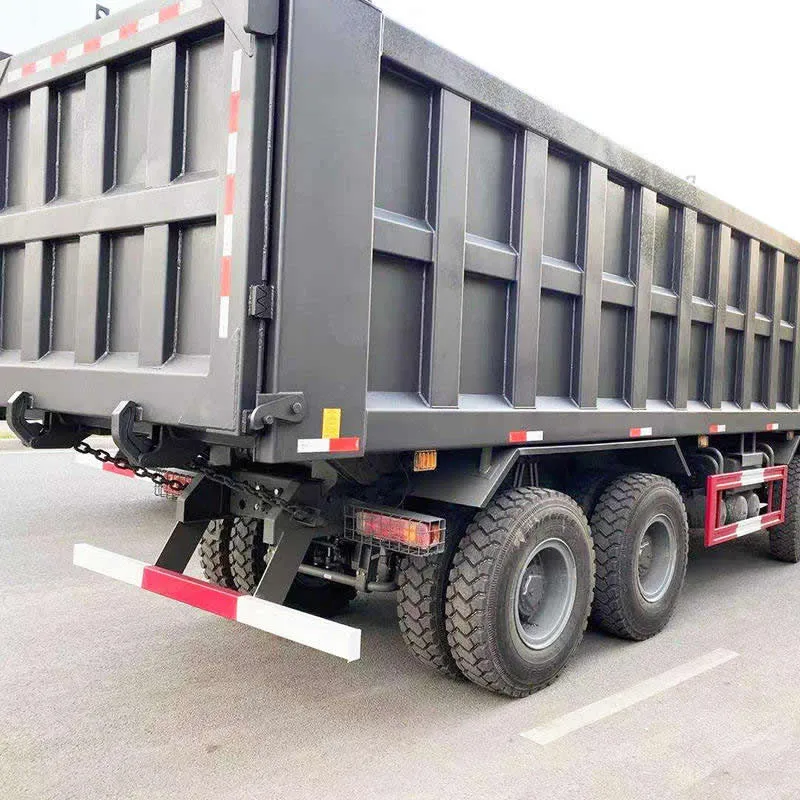
3.1 Precautions When Inflating Tires
Always use specialized inflation equipment when adding air to tires to avoid both over-inflation and under-inflation. Before inflating, verify the accuracy of the pressure gauge; avoid using unreliable tools to ensure that the tire pressure precisely matches the recommended specifications.
3.2 Avoiding Overloading
Heavy-duty truck tires are designed with a specific maximum load-bearing capacity; subjecting them to prolonged overloading will lead to premature aging and deterioration. Ensure that cargo is loaded in a manner consistent with the vehicle's load limits to prevent tire failure caused by excessive weight.
3.3 Prompt Action Regarding Tire Damage
If you discover any visible damage to a tire—such as bulges, cuts, or punctures—while driving, you must stop the vehicle immediately to inspect it and replace the tire without delay. To prevent air leaks or blowouts, keep the tire surfaces clean and free from sharp objects that could puncture the rubber. 3.4 Tire Preservation and Storage
For heavy-duty trucks that are parked for extended periods—specifically when the tires remain unused for a prolonged time—appropriate protective measures must be implemented to prevent contact with direct sunlight, oil stains, chemicals, and similar substances. The optimal storage method involves keeping the tires in a cool, dry environment while regularly monitoring their air pressure.
Strictly Prohibited: Removing Valve Caps While Tires Are Hot: When the tire temperature exceeds 70°C, it is strictly forbidden to remove the valve cap or deflate the tire, in order to prevent the sudden release of high-temperature gas.
Strictly Prohibited: Overloading: Overloading by just 10% causes an abnormal rise in tire pressure and increases the probability of a tire blowout fivefold.
Strictly Prohibited: Mixing Tire Types: Tires mounted on the same axle must be of the same brand, model, tread pattern, and air pressure.
Strictly Prohibited: Using Substandard Repair Patches: Non-OEM (original equipment manufacturer) repair patches are prone to detachment, which can lead to the tire bead dislodging from the rim while the vehicle is traveling at high speeds.
Emergency Procedure: If a tire pressure warning is triggered while in transit, immediately slow down and pull over to the side of the road. Turn off the air conditioning and turn on the cabin heater; allow the engine to idle for 10 minutes to facilitate cooling. Under no circumstances should you turn off the engine. Inspect the tire only after its temperature has sufficiently decreased.
Effective tire pressure management and the timely replacement of tires are critical factors in ensuring the safe operation of heavy-duty trucks and extending their service life. As maintenance engineers, we must remain constantly vigilant regarding the condition of the tires, conducting regular pressure checks and replacements to ensure the smooth and successful execution of every transport mission. Through scientific and systematic tire management, we can effectively prevent tire-related failures, enhance transport efficiency, and generate greater economic benefits for the enterprise.

