
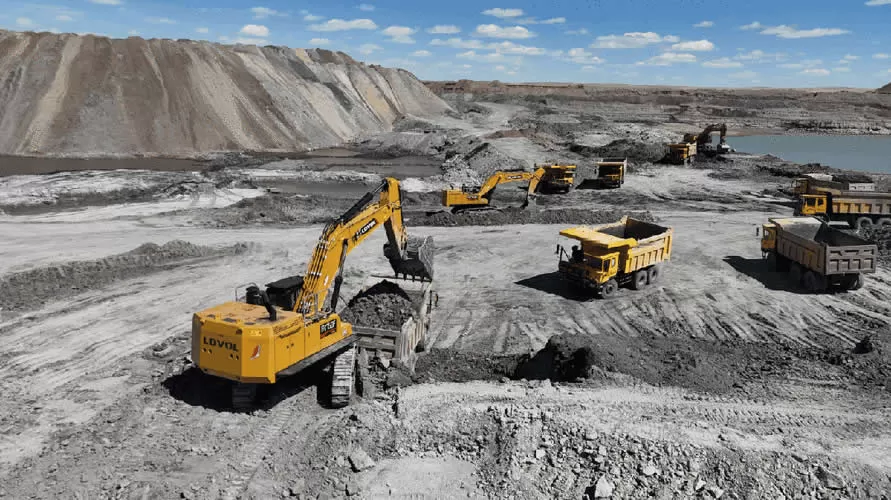
Heavy-duty engineering vehicles are widely used in harsh engineering environments such as mining areas, construction sites, and transportation, carrying out important production tasks. These vehicles typically operate under high load and high intensity conditions, therefore, regular maintenance and repair are crucial to ensure the reliability and service life of heavy-duty engineering machinery after high-intensity, high-load operation. This article, from the perspective of heavy-duty vehicle maintenance engineers, will detail the maintenance and repair steps for these vehicles after transportation, combining the Chinese Engineering Machinery Industry Association standard (GB/T 37143-2018) and frontline practical experience, to extract actionable maintenance points to ensure their long-term efficient and safe operation.

1.1 External Cleaning
Heavy-duty engineering vehicles often operate in dusty and muddy working environments; therefore, cleaning after operation is crucial. Cleaning the mud, dust, stones, and other debris from the vehicle body not only keeps the vehicle clean but also effectively prevents these debris from damaging vehicle components. Regular cleaning of the vehicle body and chassis helps extend the vehicle's service life and prevents poor heat dissipation and oil line blockage due to dust accumulation.
1.2 Engine Cleaning
Dust and dirt in the engine compartment can affect engine heat dissipation, leading to performance degradation or malfunctions. After each operation, the engine compartment should be cleaned, especially the cooling system and exhaust system areas. Use compressed air to gently blow away dust, avoiding direct high-pressure water rinsing to prevent water from entering the electrical system and sensitive components.
Heavy-duty engineering vehicles are usually equipped with powerful hydraulic systems responsible for heavy-duty tasks such as lifting and bulldozing. The hydraulic system is the "lifeline" of heavy-duty vehicles; after high-load operation, the oil temperature can reach above 80℃, seals are prone to aging, and micro-leaks are the biggest hidden danger. The performance of the hydraulic system directly affects the vehicle's operating efficiency and safety.
2.1 Visual and Tactile Inspection
Focus on inspecting all pipe joints, valve blocks, and cylinder piston rod seals. Use a clean cotton cloth or oil-absorbing paper to gently press on suspected leak points; even minor leaks will quickly form oil stains and spread on the paper.
2.2 Hydraulic Oil Inspection and Replacement
Hydraulic oil can become contaminated or degrade over time, leading to reduced efficiency of the hydraulic system. After each operation, the hydraulic oil level, quality, and color should be checked. If abnormal oil quality or low oil level is found, the hydraulic oil should be replenished or replaced promptly. Regularly check the hydraulic filter element to ensure smooth hydraulic oil flow.
2.3 Hydraulic Pipeline Inspection
The pipeline connections of the hydraulic system are crucial for system operation. If a pipeline ruptures or becomes loose, it will directly affect the vehicle's operating efficiency and may even cause safety accidents. After each use, check the hydraulic pipelines for signs of leakage or wear, and replace damaged pipelines and connectors promptly.
3.1 Engine Oil Inspection and Replacement
Engine oil is a vital guarantee for the normal operation of the engine in heavy-duty vehicles. After each operation, the engine oil level needs to be checked to ensure it is within the normal range. Check the oil level when the engine is warm; the oil should be clear, without emulsification or metal shavings.
If the oil is dark or has abnormal viscosity, the oil change interval should be shortened to 400 hours. If the engine oil becomes black or contains impurities, the engine oil should be replaced promptly. This is crucial for preventing excessive engine wear and improving the performance of the vehicle's power system.
3.2 Air Filter and Fuel System
The function of the air filter is to filter dust and impurities from the air entering the engine, ensuring that the engine receives clean air. Because heavy-duty vehicles often operate in dusty environments, the air filter is prone to accumulating dust and needs to be cleaned or replaced regularly.
After working in a dusty environment, immediately check the air filter blockage indicator. If the indicator turns red or the resistance exceeds the limit, the filter element must be replaced; using compressed air to blow it clean is prohibited. The fuel system also needs to be checked regularly to ensure that the fuel filter element is not contaminated, and replaced promptly if necessary. 3.3 Cooling System Maintenance
The engine cooling system ensures that the engine does not overheat during high-load operation. The coolant level must be checked regularly, and coolant added or replaced as needed. When checking the level with the engine warm, it should be above the "MIN" line but below the "MAX" line. If the level continues to drop, check for leaks in the radiator, water pump seals, or cylinder head gasket. Check the radiator for blockages to ensure the cooling system is functioning correctly.
4.1 Transmission Fluid Check
The transmission, as a core component of the drivetrain, has its fluid quality affecting the vehicle's shifting smoothness and power output efficiency. Regularly check the transmission fluid level and quality, ensuring the fluid is clean and replacing it when necessary. Especially when operating under high temperatures and heavy loads, the transmission fluid ages faster and must be replaced promptly.
4.2 Chassis and Suspension System Check
Heavy-duty vehicles operating on rough terrain experience significant impact forces on the chassis and suspension system. After each operation, inspect the chassis, axles, suspension system, and drive shafts for looseness or damage. For articulated vehicles, pay particular attention to the lubrication of the articulated joints to maintain the flexibility of the connecting parts.
4.3 Tracked Vehicles
After operation, the following parts of tracked vehicles must undergo torque re-inspection (using a digital torque wrench):
|
Part |
Torque standard (N·m) |
Inspection frequency |
|
Track plate connecting bolts |
300–350 |
After each class |
|
Track roller mounting bolts |
450–500 |
After each class |
|
Slewing bearing fixing bolts |
800–900 |
After the initial 100 hours, every 500 hours thereafter |
|
Drive wheel tooth block bolt |
600–650 |
After each class |
5.1 Battery and Charging System Check
The electrical system is an indispensable part of the daily operation of heavy-duty vehicles. Check the battery voltage to ensure the charging system is working correctly, preventing starting difficulties or power shortages due to battery failure. Check the electrolyte level (if it is not a maintenance-free type); it should be 10–15mm above the plates; measure the voltage, which should be no less than 12.6V when warm.
After prolonged use, the battery electrolyte level should also be checked to prevent the vehicle from failing to start due to battery aging or damage.
5.2 Lighting and Signal System Check
The lighting system is especially important at night or in low visibility environments. Check that headlights, signal lights, warning lights, etc., are working properly, especially the front and rear headlights, turn signals, reverse lights, brake lights, and all instrument panel indicators of the working vehicle are functioning correctly and showing normal readings.
6.1 Tire Inspection and Maintenance
Heavy-duty vehicles often operate on rough terrain, making the tires susceptible to wear and tear. After each operation, the tire pressure, wear condition, and any damage or foreign objects should be checked. Severely worn or damaged tires should be replaced promptly to prevent accidents such as tire blowouts during operation.
6.2 Braking System Inspection
The braking system of heavy-duty vehicles must always remain sensitive and stable. Check the brake fluid level and quality to ensure the braking system is functioning correctly. If brake failure or abnormal noises occur, the brake pads, brake discs, and other components must be inspected immediately.
|
step |
Operation content |
Tools/Standards |
|
1 |
Clean the machine body |
High-pressure water gun (avoiding electrical interfaces), compressed air to blow the radiator |
|
2 |
Hydraulic system |
Check oil level, filter element, and leak points (with fluorescent agent assistance). |
|
3 |
Engine system |
Idle for 5–10 minutes → Check coolant, engine oil, and air filter. |
|
4 |
Walking system |
Measure track tension → Retighten key bolts (according to the torque gauge) |
|
5 |
Electrical system |
Check battery voltage, lights, and instruments. |
|
6 |
Lubrication points |
Add grease to the track rollers, sprocket rollers, and rotary gear ring according to the lubrication diagram. |
|
7 |
Records and handover |
Fill out the "Single Shift Post-Work Maintenance Confirmation Form" and indicate any abnormalities. |
Heavy-duty vehicles often operate in high-load, high-intensity working environments. Therefore, conducting comprehensive inspections and maintenance after each operation is crucial to ensuring their safe and efficient operation. As maintenance engineers, we must not only be proficient in all aspects of vehicle technology but also develop detailed maintenance plans based on different operating conditions to ensure optimal vehicle performance and a longer service life. Through this meticulous daily maintenance, heavy-duty vehicles can better cope with complex working environments and continue to provide reliable support for engineering projects.

