
Long-distance passenger and commercial vehicle transportation safety is a systematic project, encompassing a closed-loop management system covering the entire chain, from vehicle technical standards and driver behavior control to dynamic monitoring and emergency response. Its core lies in effectively curbing high-risk factors such as fatigue driving, overloading, and vehicle malfunctions through a three-pronged mechanism of mandatory regulations, technological empowerment, and accountability. Based on extensive driving and maintenance experience, this guide introduces the safety precautions and operational procedures for long-distance passenger and commercial vehicle transportation, as well as temporary maintenance guidelines.
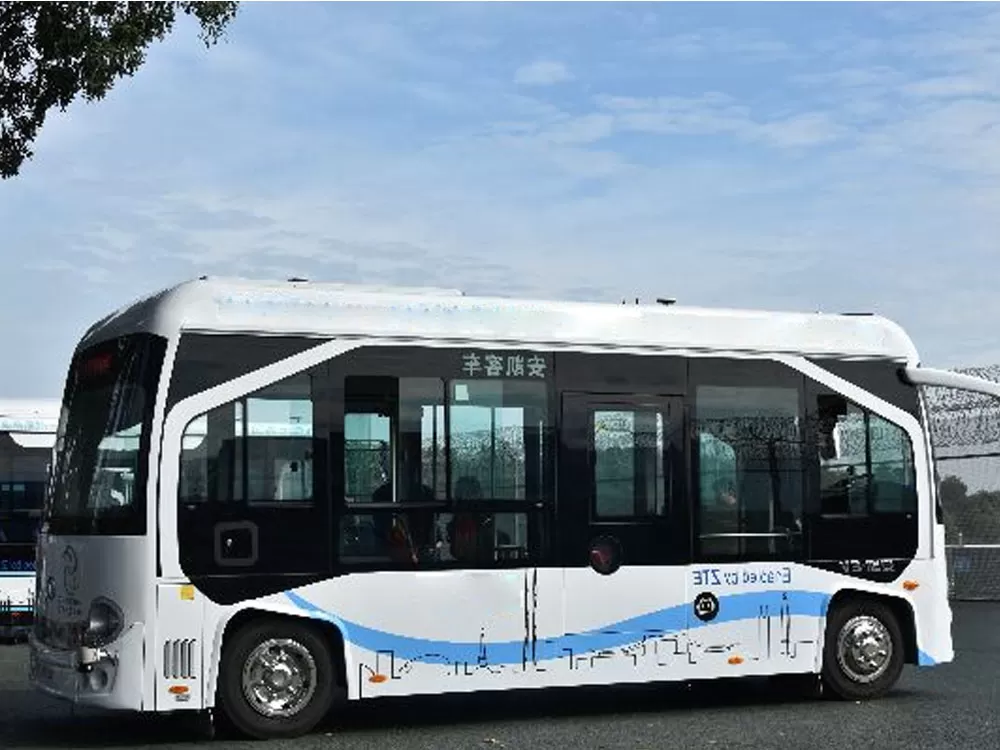
As a driver with many years of experience in long-distance passenger transport, I believe safety relies not only on technical skills but also on rigorous procedures and self-discipline. The following are practical operational points based on China's "Road Passenger and Freight Transport Driver's Operating Procedures" (JT/T 1134-2017) and "Road Passenger Transport Enterprise Safety Management Standards":
1.1 Pre-Driving Preparation
Vehicle Inspection: Check tire pressure, braking system, lights, windshield wipers, etc., to ensure the vehicle is in good condition before departure.
Check the route in advance, pay attention to road conditions and weather forecasts, and choose rest stops and emergency parking areas.
Load Check: Confirm that the number of passengers and luggage storage in the vehicle meet regulations to prevent overloading from affecting safety and fuel efficiency.
1.2 During Driving
Maintain a Safe Distance: During long-distance driving, drivers should maintain a safe distance from the vehicle in front and avoid sudden braking and excessive speed.
Regular Rest: Based on driving time and fatigue level, ensure a rest every 2-3 hours to avoid fatigue driving.
Monitor Vehicle Temperature: During long-distance driving, especially in hot weather, the vehicle may overheat. Regularly check the engine temperature and coolant level.
Fuel and Water Supply: Monitor fuel and coolant levels to prevent insufficient fuel or cooling system malfunctions.
Driving Techniques: Avoid sudden acceleration or braking; maintain smooth driving to reduce vehicle wear and improve fuel efficiency.
1.3 Other Matters
Mandatory Rest System: Continuous driving should not exceed 4 hours, and a rest stop of at least 20 minutes is mandatory at a service area. It is recommended to follow the "one stop every three service areas" principle—mandatory rest stops after every three service areas to avoid accumulating physical fatigue.
Driving Restriction Periods: Driving is legally prohibited from 0:00 to 5:00 AM; passenger vehicles are not allowed to operate during this time to ensure drivers get sufficient sleep. Continuous driving at night should not exceed 2 hours.
Fatigue Detection and Response: When signs such as frequent yawning, blurred vision, steering wheel vibration, or slow reaction occur, stop immediately and perform 5-10 minutes of stretching exercises (chest expansion, neck rotation, high leg raises), and turn on the air conditioning for external circulation ventilation. Do not rely on coffee or energy drinks, as their energizing effect is short-lived and can easily trigger drowsiness.
Intelligent Assistance System Application: Modern long-distance buses are generally equipped with DSM (Driver Status Monitoring) and ADAS (Advanced Driver Assistance Systems). The system monitors blink frequency and head posture through facial recognition; once fatigue is detected, it will trigger steering wheel vibration and voice alerts. However, remember: the system is only an aid and cannot replace subjective judgment. 1.4 Driving Prohibitions:
Making phone calls, smoking, and prolonged conversations with passengers are strictly prohibited.
Overloading, exceeding passenger capacity, and mixed passenger/freight transport are strictly prohibited.
When driving on highways, maintain a safe following distance and do not use the emergency lane.
Activate turn signals in advance when meeting oncoming traffic or overtaking, and switch to low beam headlights at least 150 meters away at night.
Seat belts are lifesavers: All passengers must wear seat belts properly before departure, throughout the journey, and at all times. Passengers must not stand or move around inside the vehicle.
The reliability of passenger and commercial vehicles depends on a systematic inspection before each trip. Maintenance engineers must perform the following pre-departure "five-dimensional inspection method" in accordance with the "Regulations on Technical Management of Road Transport Vehicles" (Ministry of Transport Order No. 3 of 2023) and industry best practices:
|
Inspection items |
Inspection content |
Standards and cycles |
Risk Warning |
|
Braking system |
Brake pad thickness, brake disc wear, brake fluid level and leakage, and air pressure system sealing. |
Brake pads with a thickness of ≤3mm must be replaced; check every 5000km; change brake fluid every 2 years. |
Brake failure is a major cause of long-distance accidents. A water content in brake fluid exceeding 3% will significantly lower the boiling point, leading to brake fade. |
|
Tire system |
Tire pressure (standard values are indicated on the door frame), tire tread depth (≥1.6mm), bulges, cracks, embedded foreign objects, and spare tire status. |
Daily pre-trip vehicle inspection; tire rotation every 10,000 km; tires ≥5 years old are recommended for replacement. |
Overinflated tires can cause blowouts, while underinflated tires increase fuel consumption and the risk of skidding; insufficient spare tire pressure is equivalent to having no spare tire at all. |
|
Batteries and Electrical Systems |
Voltage (≥12.6V), terminal corrosion, loose ground wire, and lighting (high beam, low beam, turn signals, brake lights) functionality. |
Check internal resistance and capacitance every 3 months; replace if used for more than 3 years; perform a headlight self-check before driving each day. |
A dead battery will cause starting failure, GPS/ADAS system malfunction, and affect remote monitoring and emergency assistance. |
|
Chassis and suspension |
Engine/transmission/oil line leaks, loose suspension arm ball joints, worn steering tie rods, and shock absorber oil leaks. |
A comprehensive inspection should be conducted every 15,000 km or every quarter; with a focus on checking for oil stains and unusual noises. |
A loose chassis can lead to loss of steering control, and oil leaks may cause a fire or brake failure. |
|
Oil system |
Engine oil (viscosity and level), coolant (freezing point and concentration), power steering fluid, windshield washer fluid |
Engine oil should be changed every 10,000–15,000 km; coolant should be changed every 2 years or 40,000 km; antifreeze windshield washer fluid is required. |
Deteriorating engine oil will accelerate turbocharger wear; coolant with a freezing point below standard will cause the radiator to crack in extremely cold northern environments. |
Modern passenger and commercial vehicles have entered the intelligent era of "perception-decision-response." Technology is no longer an added bonus, but a safety baseline:
Remote Diagnostic System (TCU/GBOS): Collects data such as engine speed, water temperature, battery voltage, and fault codes in real time via the CAN bus and uploads it to the cloud platform. Maintenance centers can provide early warnings of potential faults (such as oxygen sensor malfunction or EGR valve blockage), enabling "preventive maintenance" and reducing breakdowns en route.
ADAS System Empirical Benefits:
AEB (Automatic Emergency Braking): EURO NCAP data shows it can reduce rear-end collisions by 38%;
LDW (Lane Departure Warning): Effectively reduces lane departure accidents caused by driver fatigue;
BSD (Blind Spot Detection): Detects vehicles to the side and rear during lane changes, reducing the risk of collisions.
BeiDou + DSM Smart Terminal: Integrates single-BeiDou dual-frequency positioning, driver fatigue monitoring, and automatic collision assistance functions. In the event of a rollover or sudden braking, the system automatically triggers an SOS alarm and uploads the precise location, buying precious time for rescue.
《Regulations on the Technical Management of Road Transport Vehicles》 (Order No. 3 of 2023): Clearly stipulates that passenger vehicles must reach a technical level of Level II or above, implementing a "three-in-one inspection" (safety, environmental protection, and comprehensive inspection), with annual inspection for the first 10 years, and semi-annual inspection after 10 years.
The *Safety Management Standards for Road Passenger Transport Enterprises* mandates that enterprises establish driver mental health records, conduct regular psychological counseling, and prevent emotionally driven drivers.
The *Road Passenger and Freight Transport Driver Operation Standards* (JT/T 1134-2017) provides standardized operating procedures for drivers and serves as the legal basis for industry training and assessment.
The driver's responsibility is to "avoid mistakes," ensure that vehicle engineers "do not miss checks," and ensure that driving safety is "always present."
Long-distance passenger transport safety requires the precise coordination of systems, technology, and personnel. Every pre-departure inspection, every mandatory 4-hour rest period, and every response to system alarms demonstrates respect for life. In today's rapidly evolving technological landscape, the most reliable system remains well-trained personnel.

