
Since passenger and commercial vehicles typically undertake long-distance transportation tasks and require efficient and safe operation, regular maintenance and care are particularly important. Maintenance and care should follow the principles of "prevention first, periodic maintenance, repair as needed, and full record keeping," with the road transport operator bearing the primary responsibility. The following are comprehensive inspection and maintenance steps that should be performed on passenger and commercial vehicles after use to help maintain optimal vehicle performance and reduce malfunctions.
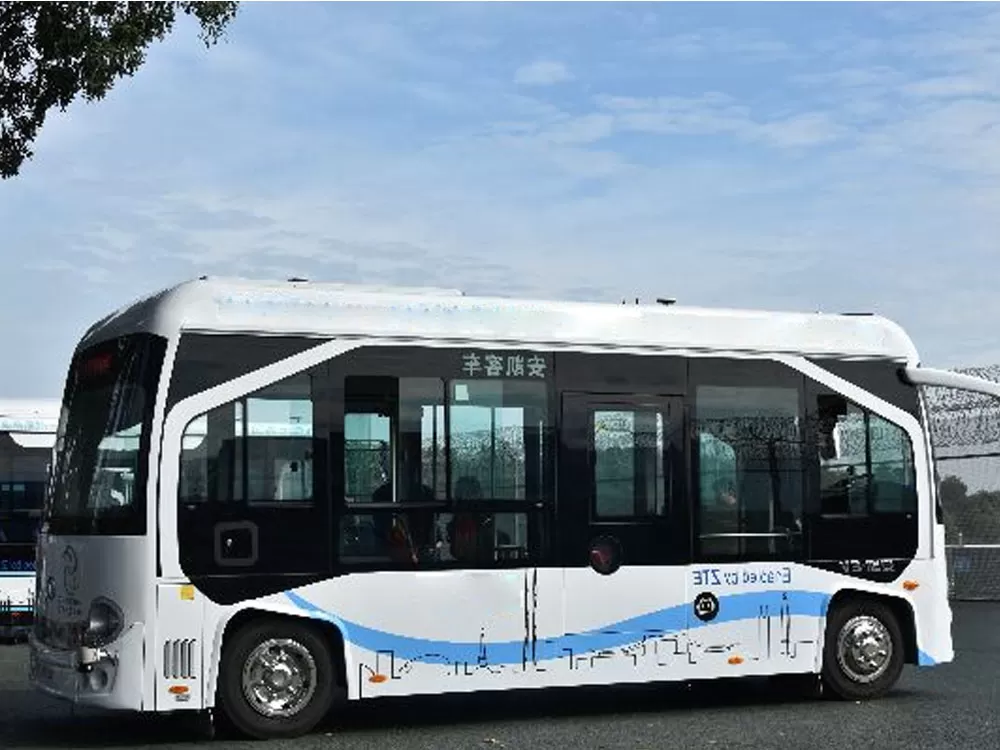
The following basic inspections must be completed before and after each daily operation, forming a closed loop of "pre-departure confirmation and post-departure review."
|
Inspection items |
Inspection content and standards |
Key points of operation |
|
Lighting system |
Headlights, turn signals, brake lights, fog lights, and interior lighting all function normally, with no damage, water ingress, or beam misalignment. |
Verify the symmetry of the light using the wall reflection method. |
|
Tires and rims |
The tire pressure meets the manufacturer's specifications (usually 8.5–10.5 bar); the tread depth is not less than 1.6 mm; there are no bulges, cracks, or embedded foreign objects; and the wheel bolts are not loose. |
Use a digital tire pressure gauge to verify the readings; do not estimate by visual estimation. |
|
Braking system |
The brake pedal is smooth and makes no unusual noises; the handbrake locks effectively when engaged; the brake fluid level is between the MIN and MAX marks. |
Test the road at low speeds and brake to observe if the vehicle veers to one side. |
|
Engine compartment |
Engine oil level is at the middle mark on the dipstick; coolant is clear and at the normal level; there are no signs of oil, water, or air leaks. |
The engine should be cooled to room temperature during inspection. |
|
Electrical system |
The battery terminals showed no white corrosion; the wiring was secure; and no fault lights on the dashboard remained constantly illuminated. |
The voltage should be at least 12.6V when tested with a multimeter (in a static state). |
|
Windshield wipers and visibility |
The wiper blades are free from hardening or tearing; the windshield has no cracks or fogging that obstruct vision. |
Test by wiping continuously for more than 3 times after spraying water. |
|
Doors, windows and safety facilities |
The vehicle doors are securely locked; the emergency hammer, fire extinguisher, and safety exit signs are clearly visible and usable. |
Daily confirmation that emergency exits are unobstructed |
|
Maintenance Category |
Maintenance cycle |
Key Projects |
Technical Requirements |
|
Engine system |
Every 5,000–8,000 km |
Change the engine oil and oil filter; check the air filter and fuel filter; clean the throttle body and fuel injectors. |
Use fully synthetic motor oil that meets API CK-4 or ACEA E9 standards. |
|
Every 40,000 km or 2 years |
Replace the coolant; inspect the water pump, thermostat, and radiator fan; clean the radiator. |
Coolant freezing point ≤ -35℃, pH value 7–9 |
|
|
Braking system |
Every 20,000 km |
Check brake pad thickness (not less than 3mm) and brake disc runout ( not exceeding 0.05mm); clean brake caliper sliding pins. |
Brake pads must be replaced in pairs when worn to their limit. |
|
Every 40,000 km or 2 years |
Replace brake fluid; bleed air from the system. |
Use DOT4 or DOT5.1 standard brake fluid with a water content not exceeding 3%. |
|
|
Tire system |
per 10,000 km |
Tire rotation (front to rear, cross rotation); dynamic balancing |
Tires on the same axle must be of the same brand, tread pattern, and specifications. |
|
Every 60,000 km or 5 years |
Replace the tires (regardless of how worn they are). |
Tires older than 5 years should be replaced to avoid tire blowouts due to aging. |
|
|
Electrical system |
per 10,000 km |
Clean corrosion from battery terminals; check generator output voltage (13.8–14.8V); inspect wiring insulation. |
Use a dedicated rust remover; do not use sandpaper. |
|
Chassis suspension |
Every 20,000 km |
Inspect the steering tie rod ball joint, shock absorber, stabilizer bar, and suspension bushings; tighten the chassis bolts. |
Suspension noises, body roll, and heavy steering are signs that a replacement is needed. |
|
Air conditioning system |
Every 20,000 km |
Clean the condenser and evaporator; check the refrigerant pressure; replace the air conditioning filter. |
A refrigerant leakage rate of no less than 5g/year is considered normal. |
|
New energy buses |
Every 5,000 km |
Check the battery pack temperature and insulation resistance (≥500MΩ); clean the dust from the high-voltage compartment; check the charging interface. |
Driving or charging in areas with water depth exceeding 20cm is strictly prohibited. |
The engine, as the heart of the vehicle, always requires special attention. After routine use, maintenance engineers should focus on checking the following aspects:
Engine Oil Check and Change: Engine oil is the lubricant for normal engine operation. Regularly check the oil level and quality, and change it at the recommended interval, typically every 10,000 to 15,000 kilometers.
Cooling System: Check the coolant level and quality, and add or replace coolant as necessary. Excessively high or low temperatures can affect engine efficiency and lead to premature damage.
Fuel System: Check the fuel filter to ensure it is not clogged. Regularly cleaning or replacing the filters in the fuel injection system helps maintain engine performance.
Air Filter: The air filter needs to be checked regularly and replaced periodically depending on the operating environment. A clogged filter will affect airflow, leading to decreased engine efficiency.
Engine Compartment Leak Identification:
|
Leakage type |
Color characteristics |
Possible sources |
Handling suggestions |
|
Brownish black |
Thick and burnt |
Oil leak |
Check valve cover gasket and oil pan bolts |
|
red |
Transparent, slightly sticky |
Automatic transmission fluid |
Check oil pipe joints and radiator seals |
|
Green/Blue |
Clear and odorless |
coolant leak |
Check the water pump, thermostat housing, and water pipe clamps. |
|
Colorless and transparent |
Watery, odorless |
Air conditioner condensate (normal) |
No processing required |
The transmission system is a key component ensuring smooth power transmission. Maintaining a good transmission system can prevent safety accidents caused by power interruption.
Transmission Fluid Check: Check the transmission fluid level and condition after every certain mileage. Insufficient or contaminated transmission fluid can cause rough shifting and wear on the transmission system.
Clutch System Check: Check the clutch pedal's flexibility and response to ensure proper clutch operation and prevent slippage or inability to disengage from a gear.
Drive Shaft and Bearings: Regularly check the wear of the drive shaft and related bearings, especially after long-distance driving, to prevent breakage or abnormal noises due to excessive wear.
A well-functioning braking system is crucial and directly affects driving safety. Regularly check the braking system, especially after frequent use or long-distance driving, paying particular attention to the following:
Brake Pads and Discs Check: Replace brake pads when they are worn to their limit. Regularly check the wear of brake discs to ensure there is no excessive wear or deformation.
Brake Fluid Check and Replacement: Brake fluid is the fluid that ensures the normal operation of the braking system. Regularly check the fluid level and replace it to prevent brake failure.
Brake System Leak Check: During each maintenance check, inspect the brake lines for leaks to prevent brake failure due to insufficient air or hydraulic pressure.
With the development of vehicle intelligence, the electrical system has an increasingly significant impact on vehicle operation. Onboard electronic devices, navigation systems, and air conditioning systems all rely on the stable operation of the electrical system.
Battery Check: Regularly check the battery voltage and the cleanliness of the terminals to prevent battery aging or poor contact, especially in low-temperature environments.
Electrical Wiring Check: Inspect the vehicle's electrical wiring for aging or damage to prevent overload and short circuits.
Lights and Signal Lights Check: Ensure all lights and signal lights are functioning properly, especially safety indicator lights such as brake lights and turn signals.
The suspension system not only affects comfort but also directly impacts vehicle stability under different road conditions. Tire maintenance is directly related to driving safety.
Tire Check and Tire Pressure: Regularly check tire wear and tire pressure. Tire pressure needs to be adjusted appropriately under different climatic conditions to ensure even wear.
Suspension System Inspection: Check the condition of the shock absorbers and springs to ensure the suspension system is functioning properly and to prevent excessive wear that could affect driving stability.
Prolonged use can cause clogged or aged filters and coolant in the air conditioning and ventilation systems, affecting air quality and comfort inside the vehicle.
Air Conditioning System Cleaning and Inspection: Regularly clean the air conditioning filter and check the condenser for blockages to ensure the air conditioning system's cooling effect is good.
Air Conditioning System Refrigerant Check: Check the refrigerant level and replenish or replace it as needed to maintain efficient operation of the air conditioning system.
Inspecting the body and exterior not only improves the vehicle's appearance but also effectively prevents safety hazards caused by external wear or collisions.
Body Inspection and Maintenance: Regularly check the body for scratches and dents and repair them promptly to prevent rust.
Chassis Inspection: Check the chassis for mud or rust; clean and apply rust-preventive oil if necessary.
The cleaning and maintenance of the vehicle's interior is also crucial. Ensuring a clean and hygienic interior environment helps improve passenger comfort.
Interior Equipment Inspection: Check the operating status of equipment such as seats, dashboards, doors, and windows to ensure all functions are normal.
Interior Cleaning: Regularly clean the seats, floors, and air conditioning vents to keep the air inside the vehicle fresh and prevent dust accumulation that can lead to equipment malfunctions.
The maintenance and upkeep of passenger and commercial vehicles is a systematic and long-term task. Regular inspections and professional repairs are necessary to ensure optimal vehicle performance and safety. Only when all systems are adequately maintained can the vehicle provide stable and efficient service for long-distance transportation. For any maintenance personnel and vehicle owner, mastering these basic maintenance and upkeep knowledge not only helps extend the vehicle's lifespan but also ensures safer and more reliable journeys on the road.

