
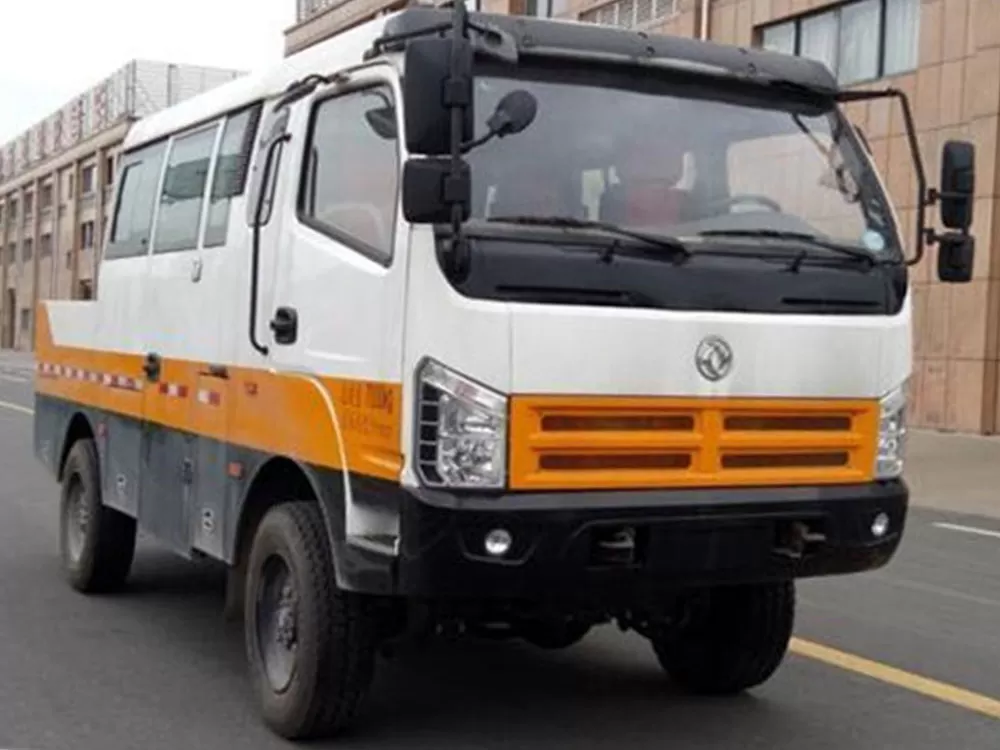
Engineering coaches frequently perform high-intensity operations in complex terrain environments, such as construction sites and mining areas. As the core components responsible for bearing the majority of operational loads—serving as the central elements for load-bearing and shock absorption—the chassis and suspension systems are prone to typical issues such as aging rubber bushings, fatigue cracks in metal parts, air spring seal failures, and loose fasteners. Maintaining these systems in good working order is crucial for the vehicle's stability, ride comfort, and safety. Therefore, regular inspection and maintenance are of paramount importance. This article provides a detailed overview of the routine inspection and maintenance procedures for chassis and suspension systems, aiming to ensure that engineering coaches operate in their optimal condition.

1.1 Chassis Cleaning and Inspection:
After completing operations, the chassis of an engineering coach must first be cleaned; this is particularly critical in muddy or dusty working environments, where various chassis components can accumulate significant amounts of dirt and debris. A high-pressure water sprayer should be used to rinse the chassis, paying special attention to areas such as the vehicle frame, suspension system, and steering system.
Following the cleaning process, inspect the chassis for any visible cracks, deformation, corrosion, or other defects. Particular emphasis should be placed on inspecting load-bearing components, such as the vehicle frame, drive shafts, and drive axles.
1.2 Inspection of Chassis Component Connections and Fastenings:
Inspect all types of chassis fasteners (e.g., bolts, rivets, etc.) to ensure they remain securely tightened and have not come loose.
Periodically inspect chassis brackets, axles, support members, and other components to check for any signs of detachment or damage.
1.3 Lubrication and Inspection:
Lubricate the moving parts of the chassis, with particular attention given to components that undergo frequent movement, such as the steering system and drive axles.
Check the quality of the lubricating oil and replace it if necessary to prevent premature wear caused by inadequate lubrication.
2.1 Visual Inspection of the Suspension System:
Inspection of the suspension system should begin with a visual examination; check suspension arms, shock absorbers, springs, and other components for any signs of cracks, corrosion, or deformation.
Check the shock absorbers for any oil leakage; if leakage is detected, the affected shock absorbers must be replaced immediately.
2.2 Spring and Suspension Arm Inspection:
For leaf springs, check for cracks or excessive wear. Replace any damaged or deformed springs immediately.
The suspension arms should be inspected to ensure there is no looseness, damage, or abnormal noise, preventing vehicle instability caused by suspension arm malfunctions.
2.3 Suspension System Fastener Inspection:
Regularly inspect all fasteners of the suspension system (such as bolts and nuts) to ensure they are not loose or have fallen off, preventing any impact on the normal operation of the suspension system.
2.4 Shock Absorber Performance Testing:
Shock absorbers are one of the core components of the suspension system. Check for oil leaks, malfunctions, or reduced functionality. Simple testing methods, such as pressing down on the vehicle body to observe the shock absorber's rebound, can be used to assess its performance.
3.1 Check the Fit Between the Chassis and Suspension System:
Ensure that the connection between the chassis and suspension system is secure and that the suspension system experiences even stress, preventing damage caused by unbalanced chassis stress.
3.2 Check the dynamic performance of the chassis and suspension system:
Conduct dynamic tests under both no-load and full-load conditions to check the performance of the chassis and suspension system during vehicle operation, especially during cornering, braking, and acceleration, for any abnormal vibrations or noises.
3.3 Standardized maintenance procedures
|
Step |
Operation content |
Inspection points and judgment criteria |
Tools and Auxiliaries |
|
1. Chassis cleaning and initial visual inspection |
Use a high-pressure water gun (pressure ≤ 8MPa) to wash the chassis, focusing on removing mud, oil, and stone chips. |
- Leaf springs: No breaks, no
displacement, no rust penetration. |
High-pressure water gun, high-powered flashlight, rust inhibitor spray (WD-40) |
|
2. Suspension Function Test |
Press down on the four corners of the vehicle body and observe the rebound behavior; hold the tires with both hands and shake them up and down/left and right. |
-Press and rebound: Normally,
it stabilizes after 1-2 rebounds; >3 rebounds indicate shock absorber
failure. |
Without specialized tools, relying on feel and visual inspection |
|
3. Special inspection of key components |
The following high-risk connection points should be the focus of inspection. |
-Shock absorbers: Check for
oil seepage from the rod body (replace immediately if leaking). |
Soapy water, torque wrench, leak detection fluid |
|
4. Air pressure system inspection (specifically for air suspension ) |
Start the air compressor and wait for the system to build up to 8–10 bar before turning off the engine and letting it stand for 10 minutes. |
- A pressure drop of ≤0.2 bar/10 min
is normal. |
Barometer, electronic leak detector (optional) |
|
5. Record archiving and anomaly reporting |
Fill out the "Chassis Suspension System Daily Inspection Record Form". |
- Record inspection time, personnel,
abnormal parts, and handling measures |
Standardized checklists and maintenance management systems |
4.1 Chassis deformation or cracks:
Common in cases of prolonged operation or impact. Repair involves correcting the deformation or replacing damaged parts, depending on the degree of deformation.
4.2 Abnormal noises from the suspension system:
Abnormal noises are often caused by loose or worn suspension components. During repair, check all connection points and ensure they are tight. If wear is severe, replace the component.
4.3 Shock absorber failure:
If shock absorbers are found to be faulty, replace them promptly; otherwise, ride comfort and vehicle stability will be affected.
4.4 Practical Recommendations for Maintenance Engineers
Tool Priority: Equip your vehicle with a torque wrench, air pressure gauge, high-intensity flashlight, and rubber leak detection fluid to avoid relying on experience.
Record-Keeping is Key: All maintenance must be documented. Electronic records can be integrated with the company's TPM system for lifespan prediction.
No Modifications: Unauthorized replacement of non-original airbags or installation of non-standard thrust rods is strictly prohibited, violating Article 4 of the Regulations on the Technical Management of Road Transport Vehicles.
Environmental Adaptability: In areas with high humidity and frequent rainfall, it is recommended to apply chassis armor (thickness ≥ 1.5mm) quarterly, focusing on protecting U-bolts and airbag interfaces.
Maintaining the chassis and suspension system of engineering buses is crucial for their long-term, efficient operation. Regular inspections and timely maintenance can effectively extend the service life of engineering buses, reduce malfunctions, and ensure their stability and safety in various complex environments. It is essential to master these basic inspection and maintenance skills to ensure that every engineering bus is in optimal working condition.

