
The maintenance and upkeep of cooling systems for specialized passenger vehicles constitute a critical component in ensuring efficient vehicle operation and extending service life. Due to their specific applications and extended operating durations, specialized passenger vehicles are subject to more stringent requirements regarding their cooling systems. Consequently, diligent daily inspection and maintenance of the cooling system not only serve to effectively prevent malfunctions but also enhance the overall operational efficiency of the vehicle.
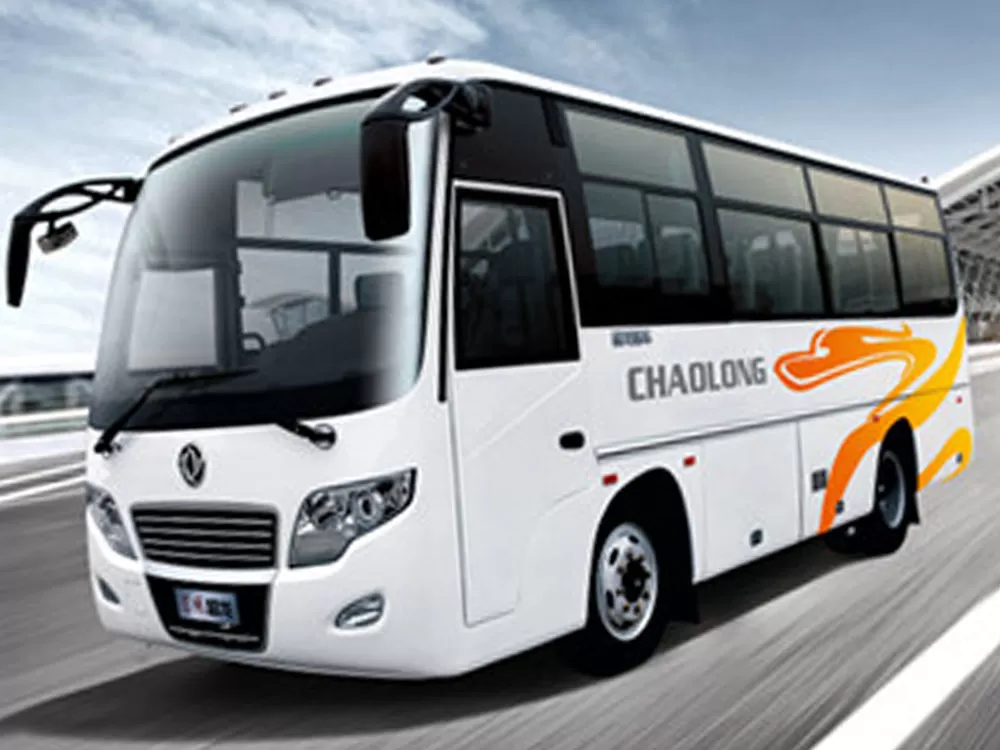
The cooling systems in specialized passenger vehicles—such as medical emergency vehicles, command and communication vehicles, refrigerated transport vehicles, and specialized police vehicles—primarily consist of a water tank, radiator, coolant pump, thermostat, piping, and coolant fluid. Their primary function is to dissipate the heat generated by the engine through the circulation of coolant, thereby maintaining the engine within an optimal operating temperature range and preventing damage or performance degradation caused by overheating. Compared to standard passenger vehicles, these specialized vehicles are characterized by four key features—high load capacity, extended operational endurance, exposure to extreme environments, and high equipment integration—necessitating cooling system designs that meet the following criteria:
Continuous High Thermal Load: Onboard equipment (such as CT scanners, communication base stations, and refrigeration units) generates continuous heat, requiring the engine to operate under loads exceeding 60% for prolonged periods.
Customized Heat Dissipation Pathways: Radiator surface areas are increased by over 30%; cooling fans typically utilize dual-speed electric modes; and select vehicle models are equipped with independent auxiliary cooling circuits.
Enhanced Corrosion-Resistant Design: Cooling pipelines feature stainless steel or corrosion-resistant alloy linings, while radiator cores employ a copper-aluminum composite structure to withstand high-humidity environments.
Integrated Intelligent Temperature Control: Electronic thermostats are integrated with the Engine Control Unit (ECU) to dynamically regulate coolant flow based on real-time engine load and ambient temperature conditions.
2.1 Checking Coolant Levels
A coolant level falling below the standard mark—or exhibiting significant fluctuations—may lead to excessive engine temperatures and potentially result in engine damage. During every routine vehicle inspection, the coolant level should be the first item verified to ensure it is within the normal range. If the coolant level is insufficient, it should be replenished with a standard-compliant coolant in accordance with the manufacturer's specifications.
2.2 Periodic Inspection of Coolant Quality
The quality of the coolant directly impacts the cooling system's heat dissipation efficiency and its ability to provide corrosion protection. Over time, coolant may degrade due to exposure to high temperatures and the ingress of impurities, thereby diminishing its performance. Therefore, it is recommended to replace the coolant periodically—either every six months or in accordance with the manufacturer's prescribed schedule—to ensure optimal heat transfer efficiency and corrosion protection.
2.3 Inspecting the Water Pump and Radiator
The water pump is an indispensable component of the cooling system, responsible for circulating the coolant throughout the system. If the water pump malfunctions, the coolant cannot flow effectively, potentially leading to engine failure caused by overheating. Consequently, you should regularly inspect the water pump for any signs of abnormal noise, leaks, or vibrations.
The radiator is one of the core components of the cooling system; it is responsible for dissipating the heat absorbed by the coolant into the surrounding air. Inspecting the cleanliness of the radiator is crucial, as a dirty or clogged radiator will compromise heat dissipation efficiency, resulting in engine overheating. When cleaning the radiator, ensure that you remove any dust or debris accumulated on its surface.
2.4 Checking the Thermostat's Functionality
The thermostat regulates the timing of coolant flow into the radiator, thereby ensuring that the engine maintains its optimal operating temperature. If the thermostat fails, it may cause the engine temperature to become either excessively high or excessively low. Therefore, you should regularly check to ensure the thermostat is functioning correctly and responding accurately.
2.5 Inspecting the Sealing Integrity of Hoses and Connections
The hoses and connections within the cooling system are prone to aging or loosening over time due to prolonged use, which can lead to coolant leaks. During each inspection, carefully examine the hose connection points and fittings to verify their sealing integrity and ensure there are no leaks or seepage.
2.6 Periodic Cleaning of the Cooling System
Due to external environmental factors—such as dust, sand, and other debris—the pipes and radiator within the cooling system may become clogged. Therefore, the cooling system should be cleaned periodically. This is particularly important during hot seasons or following long-distance travel; cleaning the radiator and flushing the coolant channels helps ensure the system remains free-flowing and unobstructed.
|
Inspection items |
Operating steps |
Judgment criteria |
Tools/Materials |
|
Coolant level |
Check the expansion tank markings when the engine is cold. |
The liquid level is between "MIN" and "MAX", and the color is clear and transparent (pale green/orange-red). |
Liquid level observation mirror, pH test paper |
|
Pipeline sealing |
Visually and tactilely inspect all rubber hoses and metal fittings. |
No leakage, no bulging, no hardening or cracking; the clips are not loose. |
flashlight, gloves |
|
Radiator surface |
Purge from the front with a low-pressure air gun (≤0.3MPa). |
The heat dissipation fins are free of willow catkins, insects, and oil stains, and the ventilation rate is ≥95%. |
Compressed air gun, soft brush |
|
The fan is running. |
Start the engine and bring it to operating temperature (≥85℃), then observe whether the fan starts and stops automatically. |
The fan speed adjusts smoothly with the water temperature, without any abnormal noise or jamming. |
Infrared thermometer, tachometer |
|
Thermostat response |
Use an infrared thermometer to detect the temperature difference between the radiator's inlet and outlet pipes. |
The temperature difference should be ≤5℃(after opening), and ≥15℃ when closed. |
Infrared thermal imager |
3.1 Using the Appropriate Coolant
Different vehicle models have specific requirements regarding the type and concentration of coolant used in their cooling systems. It is imperative to use only the coolant that meets the manufacturer's specifications; do not arbitrarily switch brands or product types. Selecting the appropriate coolant not only effectively lowers the engine temperature but also helps prevent corrosion and scale buildup.
|
project |
Require |
illustrate |
|
Recommended Types |
HOAT type (mixed organic acid salts ) |
Suitable for special-purpose vehicles, compatible with copper, aluminum, and cast iron materials, with a corrosion protection period of 5 years or 150,000 kilometers, conforming to GB/T 29743-2013. |
|
Prohibited |
Inorganic type (IAT), ethylene glycol pure solution, tap water |
Inorganic solutions are prone to silicate scale formation; pure solutions have excessively high freezing points; calcium and magnesium ions in tap water cause an 85% increase in scaling. |
|
Standard proportions |
50 % coolant + 50% deionized water |
For the Chongqing area, it is recommended that the freezing point be ≤-35℃and the boiling point be ≥110℃, and that a dedicated testing instrument be used for verification. |
|
Replacement cycle |
Every 5 years or 150,000 kilometers |
If the vehicle frequently operates in environments above 35°C, or if it drives continuously for more than 8 hours at a time, the lifespan is shortened to3 years or 100,000 kilometers. |
|
Replacement process |
1. Drain the liquid from the cold unit → 2. Circulate the special cleaning agent for 20 minutes → 3. Rinse with clean water until the effluent is clear → 4. Add the appropriate amount of cleaning agent → 5. Idle the exhaust gas until no more air bubbles are visible. |
Incomplete exhaust will cause "vacuum lock", leading to localized overheating. |
3.2 Avoid Excessive Water Addition
When replenishing coolant, never indiscriminately add tap water or untreated water. Poor-quality water may contain minerals and impurities; these substances can precipitate within the cooling system to form scale, thereby compromising heat dissipation efficiency and accelerating the aging of the system's hoses and lines.
3.3 Ensure Cooling System Sealing Integrity
Any leak in any component of the cooling system will disrupt its proper functioning. Therefore, during inspections, pay particular attention to the sealing integrity of the water pump, radiator, hoses, and connections; should any leak be detected, immediately repair or replace the affected components.
3.4 Regularly Inspect the Cooling Fan and Motor
The cooling fan and motor play a crucial role in heat dissipation, particularly when the vehicle is operating at low speeds or is stationary. If the fan or motor fails, the efficiency of the cooling system will be severely compromised. Consequently, during every scheduled maintenance service, inspect the fan blades for damage and verify that the motor is operating correctly.
3.5 Avoid Prolonged Operation in High-Temperature Environments
Specialized passenger buses often operate in high-temperature environments—particularly during the summer months or in regions with hot climates. To prevent the cooling system from becoming overburdened, avoid operating the vehicle under full load for extended periods in high-temperature conditions whenever possible; additionally, schedule regular stops to allow the vehicle to rest, thereby ensuring the cooling system can effectively dissipate heat.
3.6 Cooling System Hose Leak Detection
|
method |
Operating procedures |
Applicable Scenarios |
Advantages |
|
Static stress test |
Inject nitrogen gas at 0.8–1.2 bar, maintain pressure for 15 minutes, and the pressure drop should be ≤0.05 bar. |
Overall airtightness of the preliminary screening system |
Fast and non-destructive |
|
Electronic halogen leak detector |
Scans all connectors, hoses, and water pump interfaces with a sensitivity of 0.1g/year. |
Precisely locate micro-leakage points (such as O-ring aging). |
Recommended Standard Methods for Special Purpose Vehicles |
|
Bubble leak detection method |
Apply leak detection fluid to the suspected leak point, apply pressure, and observe for bubbles. |
Assisted verification, low-cost scenarios |
Suitable for use when no professional equipment is available |
|
Fault phenomenon |
Main causes |
Preventive measures |
|
Engine overheating |
Radiator blockage, water pump impeller corrosion, thermostat stuck |
Clean the radiator every 3 months; replace the water pump every 2 years; replace the thermostat every 5 years. |
|
Abnormal coolant consumption |
Minor leaks in the piping, failure of the water tank cap seal, and internal leakage of the cylinder head gasket. |
Check fluid levels weekly; test tank cap pressure to ≥1.1 bar; diagnose immediately if consumption >0.5L/month. |
|
The fan is not spinning. |
Temperature sensor failure, relay burnout, motor carbon brush wear |
Check the sensor resistance every six months (it should be 1.2–1.8 kΩ at 25°C); when replacing the relay, match the original manufacturer's model. |
|
Coolant deteriorated |
Mixing different brands, not replacing for a long time, high-temperature oxidation |
Mixing is strictly prohibited; use only products certified by the original manufacturer; test pH value every six months (should be ≥7.5). |
The maintenance and upkeep of the cooling system constitute a critical and indispensable aspect of the daily operations of specialized passenger buses. Through routine checks—such as monitoring coolant levels, cleaning the radiator, and inspecting the water pump and hoses—potential system failures can be effectively prevented. This ensures the engine operates within its optimal temperature range, thereby guaranteeing both the safety and operational efficiency of the vehicle. We must consistently prioritize a preventive approach, conducting comprehensive and regular inspections and maintenance of the cooling system to ensure the smooth and reliable operation of specialized passenger buses.

