
In the daily operation of towed passenger coaches, the braking system stands as one of the core systems safeguarding vehicle safety. Particularly after completing long-distance transport missions—during which the vehicle operates under high-load conditions for extended periods—the friction components, pneumatic elements, and piping assemblies within the braking system are subjected to varying degrees of wear and fatigue. Failure to conduct timely and systematic inspections and maintenance will not only degrade braking performance but may also introduce safety hazards during subsequent operations. Consequently, upon the completion of a long-distance transport mission, it is typically necessary to perform a comprehensive inspection and maintenance of the braking system to ensure the vehicle remains in a safe and reliable operating condition.
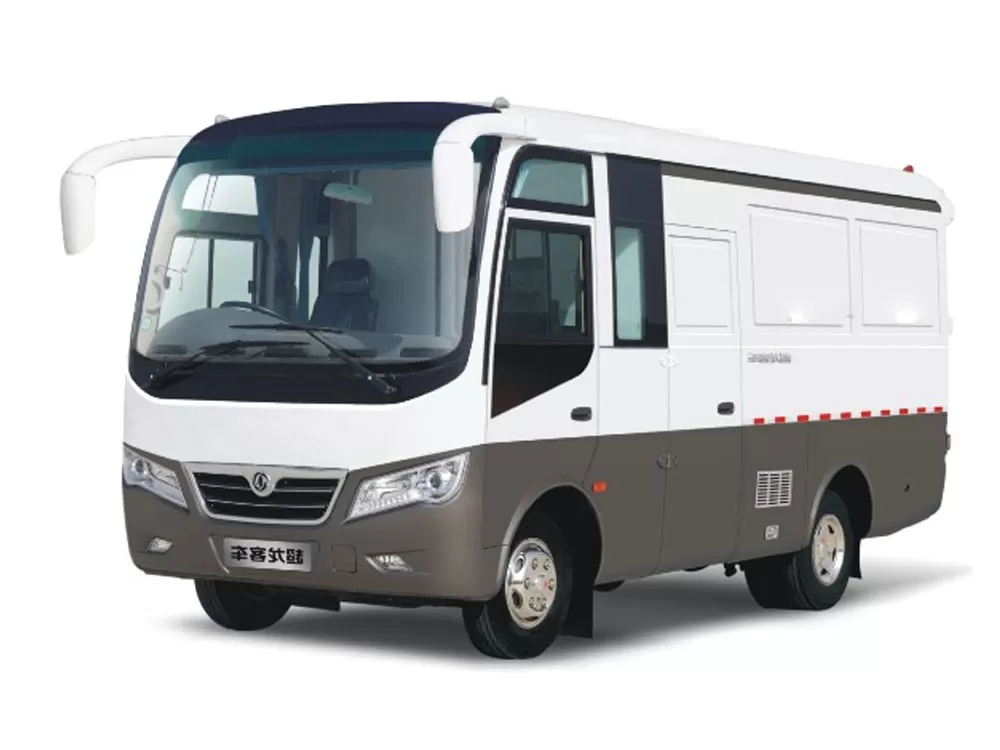
During long-distance travel, the frequent application of brakes subjects friction components—such as brake discs, brake pads, and brake drums—to continuous high temperatures and high rates of wear. Concurrently, within the pneumatic braking system, components such as the air compressor, air reservoirs, piping, and valve bodies may develop issues ranging from moisture accumulation to aging seals as a result of prolonged operation. Neglecting these potential hazards can lead to consequences ranging from sluggish brake response in minor cases to complete brake failure in severe instances. Therefore, a meticulous inspection and maintenance of the braking system is absolutely essential during the post-long-distance-trip servicing phase.
During maintenance procedures, priority must be given to assessing the wear status of the brake friction components. Maintenance personnel should measure the thickness of the brake pads or brake shoes; if the wear approaches the limit specified by the manufacturer, immediate replacement is required. Additionally, the surfaces of the brake discs or brake drums must be examined for any visible scratches, cracks, or signs of "hot spots."
During the inspection process, attention should also be directed toward the following specific aspects:
2.1 Assessment of Operating Conditions After Long-Distance Travel
Following long-distance transport (defined as ≥ 800 km), the braking system typically undergoes sustained, high-load braking cycles. This is particularly true in mountainous terrain, where frequent descents lead to an accumulation of thermal load on the brakes, thereby increasing the risk of issues such as brake fade, brake drag, and moisture condensation within the pneumatic lines. Critical Areas: For mountainous routes where the cumulative downhill duration exceeds 15 minutes, or where the number of consecutive braking events exceeds 50, comprehensive maintenance is mandatory.
Environmental Adaptation: Hot and humid climates accelerate the corrosion of metal components and the aging of rubber parts; consequently, the air reservoir drainage procedure must be performed daily and should not be deferred to a weekly schedule.
2.2 Safety Isolation Procedures
After parking, allow the vehicle to sit idle for at least 30 minutes to allow the brake drums and wheel hubs to cool naturally to a temperature of ≤50°C, thereby preventing burns or thermal deformation.
Engage the parking brake, use wheel chocks to secure the wheels, and disconnect the negative terminal of the battery to prevent accidental activation of the pneumatic system.
2.3 Uniformity of Brake Pad Wear
If severe unilateral wear or localized abnormal wear is observed, it typically indicates poor retraction of the brake caliper or binding within the guide mechanism; further disassembly and inspection are required.
2.4 Brake Disc Surface Condition
If the brake discs exhibit significant grooving or deformation, they should be repaired via machining or replaced entirely—depending on the severity of the wear—to prevent brake shudder or unstable braking force.
2.5 Removal of Friction Dust
After long-distance operation, a significant amount of friction dust accumulates inside the brake components; specialized cleaning tools should be used to remove this dust to prevent it from interfering with brake retraction or causing abnormal noises.
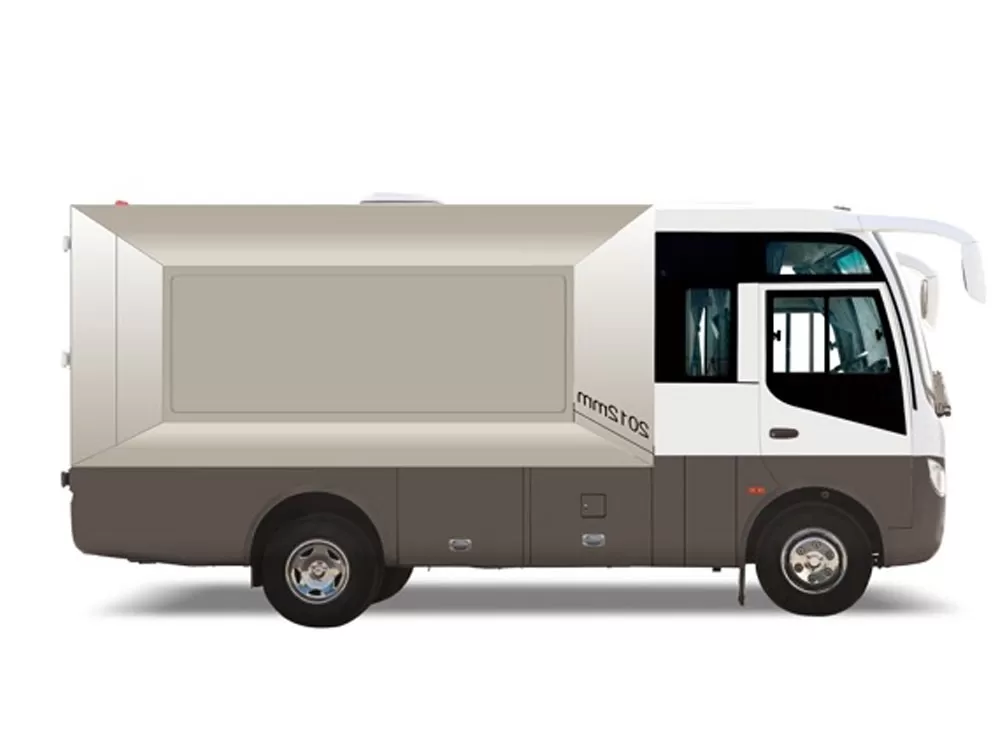
Tractor-trailer buses typically utilize pneumatic braking systems, the reliability of which directly impacts the vehicle's overall braking performance. Upon the completion of long-distance journeys, particular attention should be paid to inspecting the following aspects of the pneumatic system:
First is the drainage of the air reservoirs. After prolonged operation, moisture present in the air condenses inside the reservoirs; if not drained promptly, this can lead to corrosion within the air lines or freezing during winter conditions, thereby compromising braking effectiveness. Therefore, the air reservoirs must be drained after every long-distance trip.
Second is the inspection of air lines and fittings. Maintenance personnel must check the air lines for signs of aging, cracking, or looseness, and ensure that all fittings are securely connected to prevent air leaks. If any wear or poor sealing is detected within the lines, the affected components must be replaced immediately. Furthermore, functional testing must be performed on critical pneumatic components—such as brake valves and relay valves—to verify that they respond sensitively and return to their home positions correctly. If impurities are found within the valve bodies or if their operation appears sluggish, they should be cleaned or replaced.
Brake actuators comprise the brake calipers, brake air chambers, and associated linkage mechanisms. During maintenance, the guide pins of the brake calipers must be inspected to ensure they are adequately lubricated; if insufficient lubrication or binding is detected, the pins should be re-lubricated or any damaged components replaced.
Concurrently, the diaphragms within the brake air chambers should be examined for signs of aging or damage. A deterioration in diaphragm sealing integrity can lead to insufficient braking force or delayed brake response; therefore, regular inspections and necessary replacements are essential.
Regarding mechanical linkage components—such as brake pull rods and slack adjusters—their connections must be checked to ensure they are secure, and the automatic slack adjustment mechanisms must be verified to ensure they are functioning correctly.
|
Maintenance Project |
Operating steps |
Judgment criteria |
Tools/Methods |
frequency |
|
Gas storage tank drainage |
Open the manual drain valve at the bottom of each air tank and continue to vent until no water mist is sprayed out. |
The discharged fluid was clear and free of oil and milky white emulsion. |
Manual drain valve, antifreeze (winter) |
per shift/ day |
|
Brake chamber diaphragm inspection |
Spray 50% soapy water onto the diaphragm seams and observe whether bubbles are generated. |
No air bubbles indicate a good seal; continuous air bubble formation indicates a ruptured diaphragm. |
Soap water spray bottle, leak detection fluid |
After each long journey |
|
Brake pad thickness inspection |
No tire removal is required. Insert a straw into the gap between the brake shoe and the brake drum, mark the contact point, and measure the length minus 5mm of the base thickness. |
Friction pads with a remaining thickness ≥8mmcan continue to be used; those ≤5mmmust be replaced. |
straws, ruler, vernier calipers |
Every 5000km or long distance |
|
Brake clearance adjustment |
By adjusting the brake camshaft angle, the clearance between the brake shoes and the brake drum is adjusted to0.3–0.6 mm. |
Manually rotating the brake drum should provide slight resistance and be free of friction noise. |
Clearance gauge, torque wrench |
Every 10,000 km or when dragging is detected |
|
Retarder function test |
On a safe road section, drive at 60 km/h and engage the retarder to level three. Observe whether the vehicle speed decreases smoothly. |
No abnormal noise, no current fluctuation, and deceleration response delay <0.5s |
On-board diagnostic tool, tachometer |
After each long journey |
|
EBS System Self-Check |
Start the vehicle and observe whether the EBS indicator light on the instrument panel turns off within 3 seconds and whether there are any fault codes. |
A constantly lit or flashing indicator light indicates a system malfunction, requiring the connection of a diagnostic tool to read the fault codes. |
OBD-II Diagnostic Instrument |
Before each trip |
Upon the completion of all inspection and maintenance tasks, a functional test of the brake system is mandatory. Maintenance personnel typically perform this verification through the following procedures:
Starting the vehicle and observing whether the air pressure builds up at a normal rate;
Checking the brake pedal travel and its return action;
Conducting a low-speed road test in a safe area to confirm that the brake response is sensitive and immediate;
Checking for any vehicle deviation (pulling to one side) or vibration during braking.
Through these tests, the operational status of the brake system following maintenance can be further validated, thereby ensuring that the vehicle meets the necessary safety requirements for operation.
The stability and reliability of the braking system constitute a vital safeguard for the safe operation of traction-type passenger buses. For vehicles routinely engaged in long-distance transport missions, conducting systematic brake system maintenance immediately following each trip is of paramount importance. Only through meticulous inspections, standardized maintenance procedures, and rigorous functional testing can we ensure that the vehicle maintains optimal braking performance for its next assignment, thereby providing a robust guarantee for transport safety.

