/static/upfiles/202512/69421b841a52c.webp

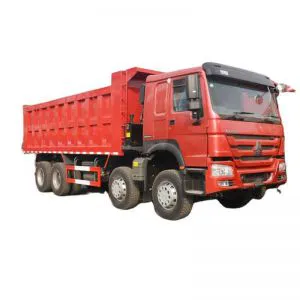
A Comprehensive Guide to Selecting Heavy-Duty Trucks for African Mining Operations

As a global epicenter for mineral resources, Africa boasts some of the world's largest reserves of copper, cobalt, gold, bauxite, iron ore, and other minerals. With open-pit mining accounting for as much as 78% of operations, the continent represents a core growth market for the global mining industry. However, mining sites across Africa are frequently plagued by inherent disadvantages—including poor road conditions, extreme climates, scarce maintenance and repair resources, and substandard fuel quality—creating an operational environment vastly different from that of domestic mines or the standardized mining zones found in Europe and North America. As heavy-duty trucks serve as critical equipment for mining extraction, earthmoving, and short-haul ore transport, the rationality of their selection directly determines mining operational efficiency, maintenance costs, and equipment service life.

2026-04-28

/static/upfiles/thumb/6879df1c1fe00.webp

Introduction to Heavy-Duty Truck Tire Pressure Management and Replacement

In daily operations, close attention must be paid to the tire pressure management and replacement of heavy-duty trucks. Tires are the sole components of a heavy-duty truck that make contact with the ground; consequently, the status of their air pressure—whether normal or abnormal—directly impacts the vehicle's driving safety, load-carrying capacity, and fuel efficiency. This article provides a detailed guide on how to manage tire pressure prior to daily transport operations, along with guidelines and key considerations for tire replacement.

2026-04-07

/static/upfiles/thumb/68f1ec3d64394.webp

Introduction to the Maintenance and Upkeep of Cooling Systems for Specialized Passenger Vehicles

The maintenance and upkeep of cooling systems for specialized passenger vehicles constitute a critical component in ensuring efficient vehicle operation and extending service life. Due to their specific applications and extended operating durations, specialized passenger vehicles are subject to more stringent requirements regarding their cooling systems. Consequently, diligent daily inspection and maintenance of the cooling system not only serve to effectively prevent malfunctions but also enhance the overall operational efficiency of the vehicle.

2026-03-20

/static/upfiles/thumb/68f7536c757de.webp

Engine Maintenance and Care Guidelines for Heavy-Duty Passenger Vehicles

As high-load, high-performance vehicles, heavy-duty passenger buses are widely utilized in fields such as engineering construction, mining operations, and general transportation. The engine, serving as the vehicle's core component, bears the critical responsibility of power output and directly impacts the vehicle's transport efficiency, operational safety, and running costs. Consequently, regular maintenance and care are paramount for extending the engine's service life and enhancing overall operational efficiency. Drawing upon the specific characteristics of heavy-duty passenger buses, this article provides a detailed guide on how to perform engine maintenance and care following daily transport operations, as well as key points requiring special attention.

2026-03-17

/static/upfiles/thumb/6901becd1985d.webp

Introduction to the Maintenance and Servicing of Braking Systems for Towed Passenger Coaches

In the daily operation of towed passenger coaches, the braking system stands as one of the core systems safeguarding vehicle safety. Particularly after completing long-distance transport missions—during which the vehicle operates under high-load conditions for extended periods—the friction components, pneumatic elements, and piping assemblies within the braking system are subjected to varying degrees of wear and fatigue. Failure to conduct timely and systematic inspections and maintenance will not only degrade braking performance but may also introduce safety hazards during subsequent operations. Consequently, upon the completion of a long-distance transport mission, it is typically necessary to perform a comprehensive inspection and maintenance of the braking system to ensure the vehicle remains in a safe and reliable operating condition.

2026-03-13

/static/upfiles/thumb/68ff10bd3f80b.webp

Introduction to the Inspection and Maintenance of Engineering Coach Chassis and Suspension Systems

Engineering coaches frequently perform high-intensity operations in complex terrain environments, such as construction sites and mining areas. As the core components responsible for bearing the majority of operational loads—serving as the central elements for load-bearing and shock absorption—the chassis and suspension systems are prone to typical issues such as aging rubber bushings, fatigue cracks in metal parts, air spring seal failures, and loose fasteners. Maintaining these systems in good working order is crucial for the vehicle's stability, ride comfort, and safety. Therefore, regular inspection and maintenance are of paramount importance. This article provides a detailed overview of the routine inspection and maintenance procedures for chassis and suspension systems, aiming to ensure that engineering coaches operate in their optimal condition.

2026-03-10

/static/upfiles/thumb/6904711d3b8de.webp

Commercial Vehicle Battery Maintenance and Fuel System Anti-Freezing Measures in Cold Regions

Winter in cold regions presents rigorous challenges to various systems of commercial vehicles. Low temperatures can make materials brittle, slow down electrochemical reactions, and thicken lubricants, directly affecting vehicle starting performance, driving stability, and overall reliability. In cold regions, especially during winter, it is essential to plan ahead and strictly implement winter maintenance strategies for commercial vehicles to ensure safe and efficient operation. This article focuses on the technical details of battery management and fuel system anti-freezing measures.

2026-01-06

/static/upfiles/thumb/695b536d49ac3.webp

Systematic Safety Analysis of Overloading Risks in Commercial Cargo Vehicles

Commercial cargo vehicles are an important component of the modern transportation industry, widely used for transporting goods across various sectors. However, overloading frequently occurs during transportation, especially when transportation demand is high and time is limited, leading drivers or transportation companies to disregard load limits. Overloading of commercial cargo vehicles is not simply a matter of "carrying more goods," but a fundamental breach of the vehicle's design load limits. This article will analyze in detail the risks and consequences of overloading commercial cargo vehicles from the perspective of safe driving, helping industry personnel better understand and prevent overloading risks and ensure transportation safety.

2026-01-05

/static/upfiles/thumb/6954933d4fb61.webp

Maintenance and Repair Guide for Sanitation Vehicles and Specialized Vehicles

Sanitation vehicles, as essential tools for urban environmental cleaning, operate year-round in harsh working environments, especially in areas with heavy dust, pollution, and humidity. Therefore, timely and effective maintenance and repair are crucial for extending the service life of sanitation vehicles, improving work efficiency, and ensuring operational safety. This article, from the perspective of a sanitation vehicle maintenance engineer, will detail the maintenance and repair precautions for sanitation vehicles after prolonged operation, helping to improve their operational efficiency and safety.

2026-01-04

/static/upfiles/thumb/6954933d4fb61.webp

What inspections are required for sanitation vehicles before and after operation?

Sanitation vehicles, as the "cleaners" of the urban public environment, undertake important tasks such as sweeping and waste transportation. To ensure their efficiency and safety, pre- and post-operation inspections are crucial. Facing a high-intensity, high-load working environment, the reliability of the vehicle directly affects operational safety and efficiency. As a sanitation vehicle maintenance engineer, we need to understand the inspection requirements for each stage to ensure the normal operation of sanitation vehicles and extend their service life. The following are the inspection items required before and after operation.

2025-12-31

Get Free Quote

More Contact Details

Jessie Chen

0086-13738639686

Email:sales@cqwendy.com

Contact me whatapp

Yubei District, Chongqing, China.

contact us
contact us