
The hydraulic system of a dump truck is the core component responsible for the automatic lifting and unloading of the truck bed; it directly impacts the vehicle's operational efficiency and safety. Since hydraulic systems operate under conditions of high pressure and high frequency, routine maintenance is absolutely critical. This article provides a detailed overview of the key maintenance procedures that should be performed on a dump truck's hydraulic system after daily operations, helping owners extend equipment lifespan, reduce failure rates, and enhance operational efficiency.
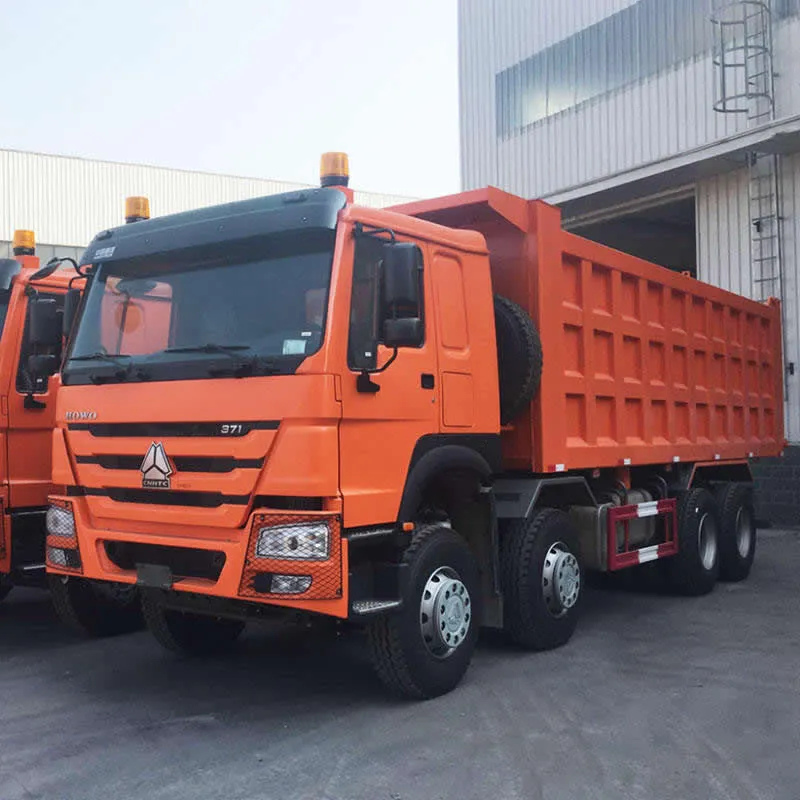
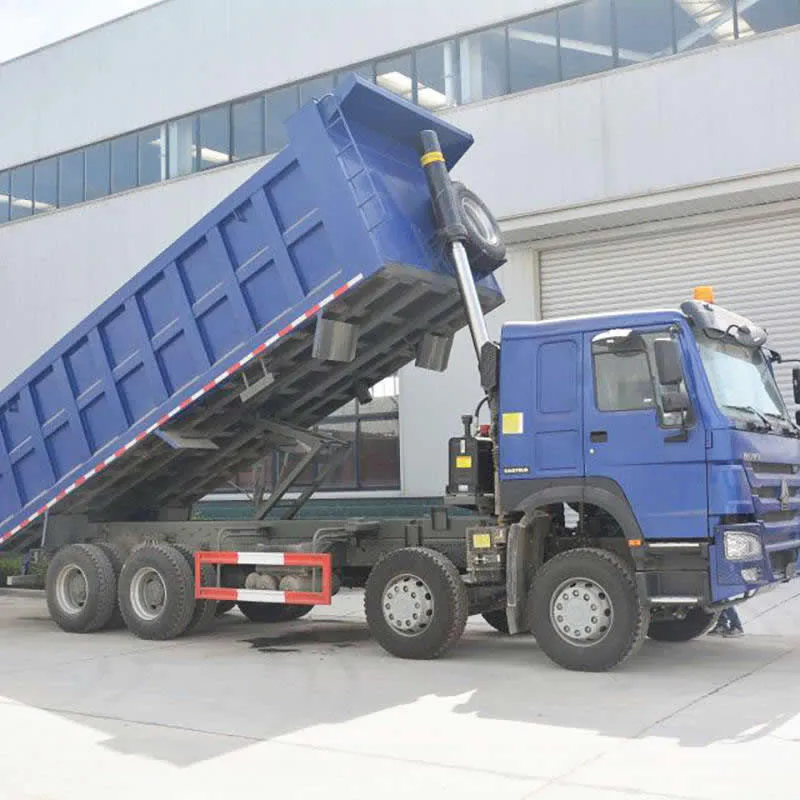
The primary feature distinguishing a dump truck from a standard cargo vehicle is its reliance on a hydraulic system to lift and lower the truck bed. A healthy hydraulic system not only ensures the smooth unloading of cargo but also safeguards the safety of personnel at the worksite. The hydraulic system typically consists of several key components: a hydraulic pump, hydraulic cylinders, a hydraulic reservoir, hoses and fittings, a Power Take-Off (PTO), and a filtration system.
In heavy-duty applications—such as construction projects and ore transportation—the hydraulic system is subjected to immense operational loads. Statistics indicate that hydraulic system failures account for a significant proportion of all dump truck malfunctions, with 85% of hydraulic pump failures stemming from fluid contamination. Consequently, proper routine maintenance serves as an effective preventive measure against failures and can significantly reduce repair costs.
2.1 Checking Hydraulic Fluid Levels
Hydraulic fluid acts as the "blood" of the entire system; insufficient fluid levels can lead to a drop in pressure, thereby compromising lifting capacity.
Procedure:
Park the vehicle on level ground.
Ensure the truck bed is fully lowered (returned to its resting position) and the hydraulic system is in a depressurized state.
Open the inspection port or view window on the hydraulic reservoir.
Verify that the fluid level falls within the specified range (typically between the "MAX" and "MIN" marks).
Precautions:
If an abnormal drop in fluid level is observed, it may indicate a leak within the system; immediate troubleshooting is required.
When replenishing hydraulic fluid, use only the specific type/grade recommended for the vehicle; mixing fluids from different brands or viscosity grades is strictly prohibited.
2.2 Visual Inspection of Hydraulic Lines
Hydraulic lines serve as the "blood vessels" connecting the various components; any damage or leakage will negatively impact system performance. Inspection Highlights:
Carefully inspect all high-pressure hydraulic hoses for cracks, bulges, abrasion, or signs of aging.
Pay particular attention to areas where hoses come into contact with or rub against other components.
Observe all hose connections and fittings for signs of oil seepage.
Check if any hose clamps or fasteners are loose.
Recommended Actions:
If minor oil seepage is detected, document the issue and schedule repairs.
If significant damage to the lines or a major leak is discovered, the equipment must be shut down immediately for replacement; operating the vehicle with such defects is strictly prohibited.
2.3 Inspecting the Exterior of Hydraulic Cylinders
The hydraulic cylinder is the actuator responsible for directly lifting and lowering the vehicle body; its condition directly impacts operational safety.
Inspection Items:
Piston Rod Surface: Check for scratches, dents, or corrosion.
Seals: Observe the area surrounding the cylinder for any signs of hydraulic fluid leakage.
Mounting Brackets: Verify that the connections between the cylinder, the vehicle frame, and the body are secure.
Maintenance Recommendations:
If minor scratches are found on the piston rod surface, polish the surface promptly to smooth it out.
After each operation, wipe down the piston rod surface using a clean, lint-free cloth (wiping from top to bottom) to prevent dust and contaminants from entering the seal area.
2.4 Monitoring the System for Abnormal Noises
Familiarizing yourself with the sounds of the vehicle during normal operation can help you detect potential problems at an early stage.
Warning Sounds:
Sharp Whining/Screeching: May indicate that the hydraulic pump is cavitating (drawing air) or that the fluid level is low.
Dull Roaring/Humming: May signify abnormal system pressure or a decline in pump efficiency.
Irregular or Unusual Noises: May indicate that air has entered the system or that specific components are worn.
Response Measures:
If any of the aforementioned abnormal noises occur, immediately cease operations.
Check the hydraulic fluid level and temperature; if necessary, contact professional maintenance personnel to diagnose the issue.
3.1 Selection and Replacement of Hydraulic Fluid
Fluid Selection:
You must use the specific type of hydraulic fluid designated by the vehicle manufacturer. Common types include mineral-based, synthetic-based, and water-based hydraulic fluids. Using the wrong type of fluid can lead to reduced system performance or even permanent damage. Replacement Interval:
Standard Operating Conditions: Replace every 2,000 operating hours or once per year.
Severe Operating Conditions (e.g., mining areas, construction sites): It is recommended to shorten the interval to 1,500 hours or every 8–10 months.
Initial Replacement: The first oil change should be performed after the new vehicle has operated for 500 hours to remove impurities generated during the break-in period.
Replacement Procedure:
①. Park the vehicle on level ground, start the engine, and operate the hydraulic system until it reaches its normal operating temperature.
②. Fully raise the dump body, then slowly lower it to its lowest position to release the system pressure.
③. Remove the drain plug located at the bottom of the hydraulic tank and thoroughly drain the old oil.
④. Clean the interior of the hydraulic tank to remove any accumulated sediment and impurities.
⑤. Reinstall the drain plug and fill the tank with the specified grade of new hydraulic fluid.
⑥. Start the engine, cycle the hydraulic system several times, check the fluid level, and top it up to the standard mark.
3.2 Hydraulic Fluid Quality Inspection
Daily Observation:
Color: New fluid is typically clear, transparent, or pale yellow. If the fluid appears dark, cloudy, or milky, it indicates contamination or emulsification, and it must be replaced immediately.
Odor: Normal hydraulic fluid has no distinct odor. A burnt smell may indicate that the system is overheating.
Professional Analysis (Recommended Quarterly):
Water Content: Should be less than 0.1%.
Contamination Level: The NAS cleanliness class should be ≤ Class 8.
Viscosity: Should fall within the specified range.
Hydraulic filters serve as the "guardians" protecting the precision components within the system; therefore, regular maintenance is of paramount importance.
4.1 Suction Filter
Cleaning Interval: Clean once every 500 operating hours, or every 3 months (whichever comes first).
Procedure:
Shut down the machine and release the system pressure.
Remove the suction filter housing.
Clean the filter element using clean hydraulic oil.
If the filter element is damaged or severely clogged, it must be replaced immediately.
Ensure that all seals are intact before re-installation.
4.2 Return Filter
Replacement Interval: Replace once every 500–1000 operating hours, or every 6 months.
Replacement Criteria:
The filter must be replaced when the pressure differential across the filter exceeds 0.3 MPa.
Before installing a new filter element, it should first be soaked in clean hydraulic oil.
4.3 Precautions
Strictly prohibit the removal of filters while the system is in operation.
Ensure a clean working environment when replacing filter elements to prevent secondary contamination.
After installing a new filter element, check all sealing points for leaks.
The PTO is a critical component connecting the engine to the hydraulic pump; its maintenance directly impacts the operational efficiency of the hydraulic system.
5.1 Traditional PTO (Dry Spline)
Lubrication Interval: Perform once every 2–3 months.
Procedure:
Disconnect the hydraulic pump from the PTO.
Clean the spline shaft and spline sleeve, removing any metal particles and old grease.
Reapply high-quality Molybdenum Disulfide (MoS2) grease.
Reinstall the components and ensure the connection is secure.
Note: Failure to perform maintenance over an extended period may result in "fretting wear," leading to spline damage and high repair costs.
5.2 Wet Spline PTO
Modern PTO units utilize a wet spline design, which allows for significantly extended maintenance intervals; however, the lubrication condition still requires periodic inspection.
5.3 Mounting Bolt Inspection
Weekly Check: Verify that the PTO mounting bolts are not loose; if any looseness is detected, tighten them immediately to the specified torque.
6.1 Winter Maintenance
Fluid Replacement:
When the ambient temperature drops below -10°C, switch to low-pour-point hydraulic oil (the pour point should be at least 10°C lower than the ambient temperature).
Common Models: L-HV32 or L-HS32 low-temperature hydraulic oil.
Pre-start Warm-up:
Before starting in winter, it is recommended to let the engine idle for 10–15 minutes to allow the hydraulic oil temperature to rise above 15°C.
If conditions permit, consider installing a hydraulic tank heating device.
Precautions:
Fluid viscosity increases at low temperatures; avoid rapid lifting operations. Wait until the fluid temperature returns to a normal range before performing full-load operations.
Check hydraulic hoses to ensure they have not become hard or brittle due to low temperatures; replace any hoses showing signs of aging immediately.
6.2 Summer Maintenance
High-Temperature Protection:
Periodically check the hydraulic oil cooling system (if equipped) to ensure it is functioning correctly.
The operating temperature of the hydraulic oil should not exceed 65°C, as sustained high temperatures accelerate fluid oxidation.
When operating in high-temperature environments, consider shortening the hydraulic oil replacement interval.
Dust Prevention Measures:
In dusty conditions typical of summer, increase the frequency of cleaning the hydraulic tank breather (air vent).
Keep the exterior of the hydraulic system clean to prevent dust from entering the system via the hydraulic cylinder rods.
7.1 Slow Lifting Speed
Possible Causes:
Hydraulic oil viscosity is too high, or the fluid level is insufficient.
Reduced efficiency of the hydraulic pump.
Internal system leakage.
Clogged filter.
Troubleshooting Steps:
Check the oil level and top it up.
Inspect and replace the hydraulic oil.
Clean or replace the filter.
If the problem persists, perform a system pressure test to diagnose issues with the pump assembly and seals.
7.2 Weak Lifting Force or Body Drift (Sinking)
Possible Causes:
Worn hydraulic pump resulting in insufficient output pressure.
Damaged internal seals within the hydraulic cylinder.
Failure of the hydraulic lock (check valve).
Air trapped within the system.
Troubleshooting Steps:
Bleed air from the system (perform multiple no-load lifting cycles to purge the air).
Check the functionality of the hydraulic lock.
If seals are damaged, replace the hydraulic cylinder or the seal kit.
7.3 Excessive Hydraulic Oil Temperature
Normal Range: 40–60°C
Warning Threshold: Consistently exceeding 65°C
Possible Causes:
Insufficient oil level or excessive oil viscosity
Severe internal system leakage
Poor heat dissipation
Improper pressure setting of the relief valve
Remedial Actions:
Shut down the equipment to allow it to cool; check the oil level
Inspect and replace the hydraulic oil
Troubleshoot and locate system leakage points
Check if the relief valve is functioning correctly
Scientific maintenance management is the foundation for ensuring the long-term, stable operation of equipment. It is recommended to establish a comprehensive maintenance record for the hydraulic system, documenting the following information:
8.1 Basic Information
Vehicle model and serial number
Hydraulic system configuration (pump model, cylinder specifications, tank capacity, etc.)
Brand and model of the hydraulic oil currently in use
8.2 Maintenance Logs
Date, mileage, and operating hours recorded at each hydraulic oil change
Filter replacement records
Repair/replacement records for hydraulic cylinders and hoses
Any anomalies detected and the corrective actions taken
8.3 Oil Analysis Records
Dates and results of periodic oil analyses
Trends in key parameters such as water content, contamination levels, and viscosity
By maintaining comprehensive records, one can analyze the operational status of the hydraulic system, anticipate potential issues, and formulate a scientifically sound maintenance plan.
When performing maintenance on the hydraulic system, the following safety protocols must be strictly observed:
9.1 Pre-Operation Preparation
Ensure the vehicle body (dump bed) is fully lowered and locked in place; utilize safety support devices to prevent accidental descent
Release system pressure, shut down the engine, and disengage the Power Take-Off (PTO)
Wear protective gloves and safety goggles to prevent hydraulic oil from coming into contact with skin or eyes
9.2 Precautions During Operation
Strictly prohibit the disassembly of hoses or components while the system remains under pressure
Use specialized tools appropriate for the task; avoid using ill-fitting tools that could cause damage
Collect waste hydraulic oil properly and dispose of it in accordance with environmental regulations; strictly prohibit indiscriminate dumping
9.3 Post-Operation Inspection
Restore all safety devices and protective covers to their original positions
Verify that all connections are securely tightened and free of leaks
Perform a functional test to confirm that the hydraulic system is operating correctly
While the routine maintenance of a dump truck's hydraulic system may appear tedious, it is the critical factor in ensuring the vehicle's efficient and safe operation. By implementing the measures outlined in this article—including daily inspections, periodic oil changes, filtration maintenance, and seasonal servicing—it is possible to effectively extend the service life of the hydraulic system, reduce failure rates, and enhance operational efficiency.
The cost of preventive maintenance is invariably lower than the losses incurred from repairing equipment failures. Drivers and maintenance personnel are strongly advised to thoroughly familiarize themselves with the operating principles and key maintenance requirements of the hydraulic system, and to cultivate standardized maintenance habits. Regarding the core pump assembly, it is recommended that the unit be returned to the original manufacturer for inspection every 8,000 operating hours to ensure the system remains in optimal condition.
Through scientifically sound daily maintenance practices, the service life of the hydraulic system can be extended by over 30%, enabling your dump truck to generate even greater value for your business.

