
In mini dumpers (also known as small dump trucks), a type of specialized construction machinery, the chassis is not only the "skeleton" that carries the entire vehicle's load, but also the core platform connecting the power transmission system, suspension system, braking system, and steering system. Improper chassis maintenance will directly affect vehicle performance, stability, and safety. Therefore, chassis maintenance must be meticulous and systematic.
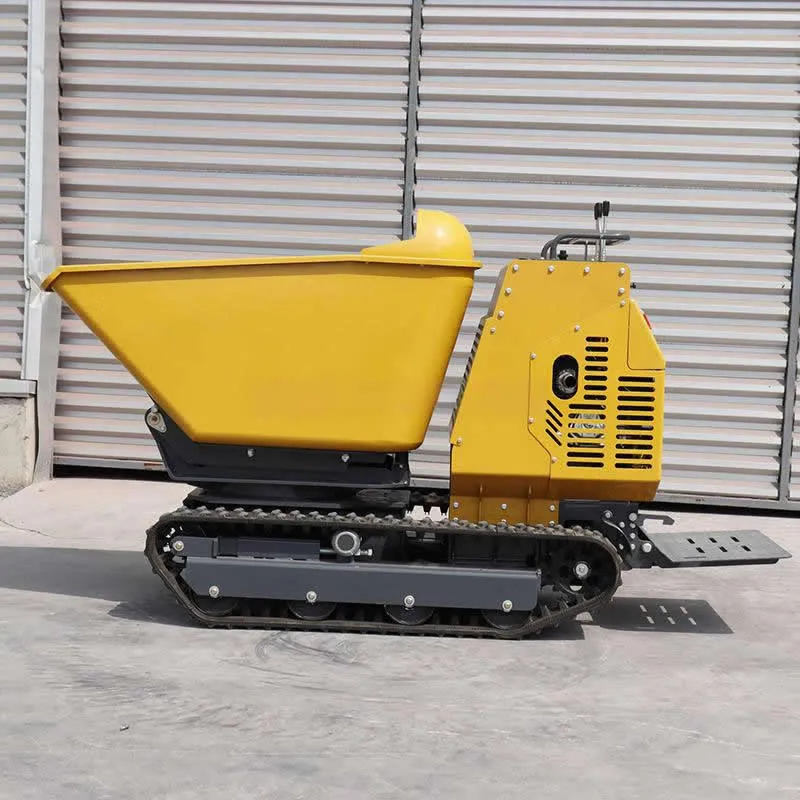
The mini dumper chassis mainly includes core components such as the frame, suspension structure, axle and tire assembly, driveshaft and universal joint, and steering mechanism. These components collectively bear the vehicle load, absorb shocks, and provide driving stability and handling feedback. The chassis is similar to the human skeletal system; its stability directly determines the vehicle's working efficiency and safety performance.
Frame system: Uses a double-layer stamped H-beam frame to bear the lifting load; this is a key area for rust prevention;
Suspension system: Mostly uses leaf spring non-independent suspension with shock absorbers to adapt to bumpy roads;
Transmission system: Rear-wheel drive, including driveshaft, universal joint, and half-shaft, which are critical nodes for power transmission;
Braking system: Generally uses air brakes + automatic slack adjusters, providing quick response and strong braking force;
Lifting mechanism: Double-cylinder central lifting structure, with hydraulic oil pipes hidden inside the frame, requiring high sealing performance.
Pre-operation inspection is the most basic part of preventive maintenance. Maintenance engineers should inspect from the lowest point of the chassis upwards:
Chassis appearance and physical condition: Check for structural hazards such as cracks, dents, rust, and weld cracks.
Frame connection fasteners: Confirm that all bolts, nuts, and fasteners are tightened to prevent loosening due to prolonged vibration.
Driveshaft and universal joint: Observe for excessive wear and lubricant loss.
Hydraulic pipeline and cable fixing status: Ensure that all pipelines and wiring harnesses under the chassis are properly routed and securely fixed. Tires and Wheel Linkages: Quickly check for any obvious damage and signs of uneven wear.
Cleaning and initial inspection after work should not be neglected. Mud and dust often accumulate at the work site; if not washed off promptly, moisture and fine particles will remain on the chassis surface, promoting corrosion and wear.
Refer to the standardized maintenance instructions in the following table:
|
Maintenance type |
Low-intensity use (short-distance urban use) |
Medium-intensity use (frequent construction site use) |
High-intensity use (all-weather operation) |
|
First maintenance |
Within 5000km or 3 months |
Within 3000km or 1 month |
Every 2000km or every 15 days |
|
Routine check-up |
Every 10,000 km or 6 months |
Every 5000km or 3 months |
Every 2000km or per month |
|
Lubrication and maintenance |
per 10,000 km |
Every 5000km |
Every 2000km |
|
Braking system |
Inspection every 10,000 km |
Adjust the gap every 5000km |
Comprehensive testing every 2000km |
|
Rust prevention treatment |
Once a year |
Once every six months |
Once every 3 months |
|
Tire rotation |
Every 20,000 km |
Every 15,000 km |
per 10,000 km |
3.1 Chassis Cleaning and Rust Prevention
The chassis is very prone to rust when exposed to muddy and dusty environments for extended periods. Regularly use high-pressure cleaning equipment to wash the chassis, removing mud, sand, and salt. Check the metal surface for rust spots and treat them promptly. For exposed steel structures, apply rust inhibitor or chassis-specific anti-rust paint.
3.2 Lubrication System: Keeping Moving Parts Well-Lubricated
The universal joints, ball joints, and drive couplings of the chassis are high-wear parts and must be lubricated with grease according to the recommended schedule in the manual. Poor lubrication will accelerate wear and even cause malfunctions. Use the specified type of grease and adjust the lubrication cycle appropriately based on the frequency of use.
3.3 Suspension and Steering System Maintenance
The suspension connects the chassis to the wheel assembly and cushions driving impacts.
Suspension springs and shock absorbers: Check for oil leaks, aging or deformation of rubber bushings, and other malfunctions;
Steering linkages, ball joints, etc.: Check for looseness, wear, and excessive play.
Regular inspections ensure the stability and riding comfort of the vehicle during loading and steering.
3.4 Wheel and Tire Maintenance
Tires are the only contact point between the chassis and the ground. Incorrect tire pressure not only affects driving resistance but also affects suspension load distribution, leading to increased fatigue of the chassis structure. It is recommended to regularly check the tire pressure according to the manufacturer's recommended standards. Replace tires promptly if cracks or excessive shoulder wear are found.
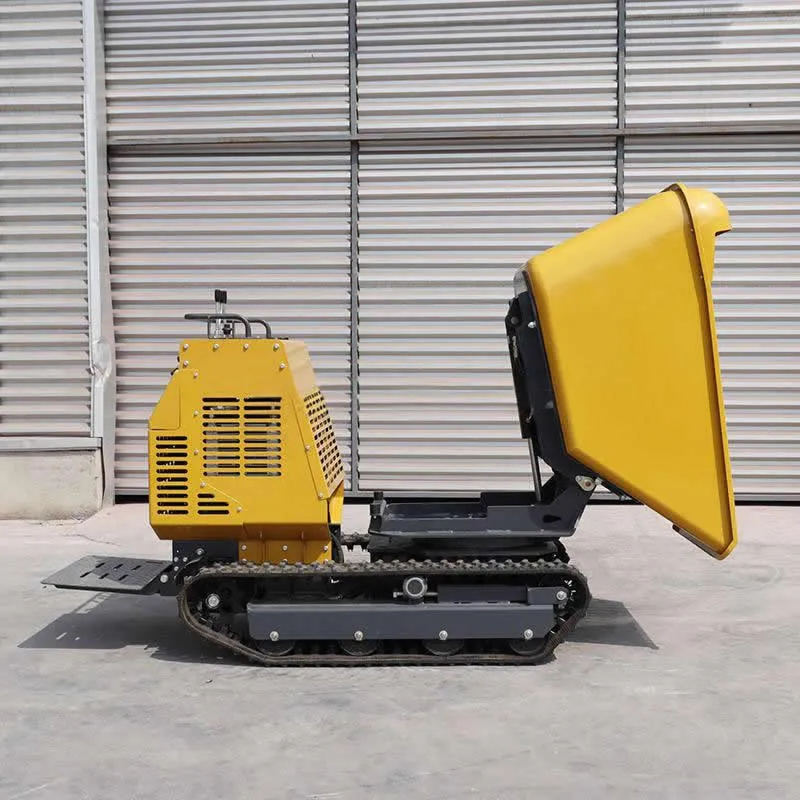
As maintenance engineers, we particularly emphasize "early detection and early treatment" of chassis problems:
Creaking and unusual noises are often indicative of loose driveshafts or suspension components;
Vibrations and shaking are often related to tire imbalance or suspension damping issues;
Drifting during driving may indicate steering misalignment, suspension maladjustment, or tire pressure differences.
When encountering such abnormalities, do not rely solely on experience for "on-site repairs." It is recommended to lift the vehicle and inspect the chassis thoroughly, replacing worn parts or performing precise adjustments.
|
Fault phenomenon |
Possible reasons |
processing method |
|
A strange "thumping" noise from the chassis |
Shock absorber failure, suspension bushing aging |
Replace the shock absorbers and rubber bushings (polyurethane is recommended). |
|
Heavy steering, stuck |
Steering ball joint lacks grease, tie rod is rusted. |
After cleaning, apply lithium-based grease; if the corrosion is severe, replace the entire assembly. |
|
Braking |
Brake caliper guide pin rusted |
Disassemble and clean, apply high-temperature brake grease |
|
Slow and weak lifting |
Hydraulic oil contamination, oil pipe leakage |
Change the hydraulic oil (ISO VG46 recommended) and check the seals. |
|
Accelerated rust at the bottom of the frame |
Long-term water accumulation and lack of rust prevention treatment |
Underbody coating |
|
category |
Recommended tools/consumables |
illustrate |
|
Lubrication tools |
Grease gun (manual/pneumatic) |
Choose a model with a pressure gauge to avoid overfilling. |
|
Rust-proof materials |
Chassis armor spray (such as 3M, Castrol) |
The coating thickness is ≥1.5mm, covering the bottom of the frame and the inside of the wheel arches. |
|
Detection tools |
High-powered flashlight, reflector, vernier caliper |
Used for observing concealed areas and measuring brake pad thickness. |
|
Fastening tools |
Torque wrench (0–300 N·m) |
Ensure that the U-bolts and drive shaft bolts are tightened to the required standards. |
|
Cleaning products |
Chassis cleaner (alkaline), high-pressure water gun |
Clean away dirt and sand before each maintenance to prevent corrosion. |
Prohibited uses: Using ordinary engine oil instead of grease, using household spray paint instead of chassis undercoating, and using alcohol to clean brake components.
Chassis maintenance is not merely an occasional "quick glance to see if everything looks okay," but rather a systematic, periodic, and meticulous process. For mini dump trucks, we strive not only for short-term vehicle usability but also for long-term chassis stability, driving comfort, and safety. Mastering the above maintenance principles and specific methods will give you a thorough understanding of the chassis system of these "small vehicles with big uses."

