
Crawler-type dump trucks are extremely common in small and medium-sized engineering projects. Their ease of use significantly improves work efficiency, but their frequent use also necessitates regular maintenance. One of the common problems is leakage in the hydraulic pump station. The hydraulic pump station is a core component of the crawler-type dump truck's hydraulic system, converting mechanical energy into hydraulic energy to drive various hydraulic actuators. When the hydraulic pump station leaks, it can lead to decreased equipment performance, energy waste, and even equipment failure. To ensure the normal operation of the equipment, operators must promptly identify and address hydraulic pump station leaks. This article will describe common methods for handling hydraulic pump station leaks from the perspective of a maintenance engineer.
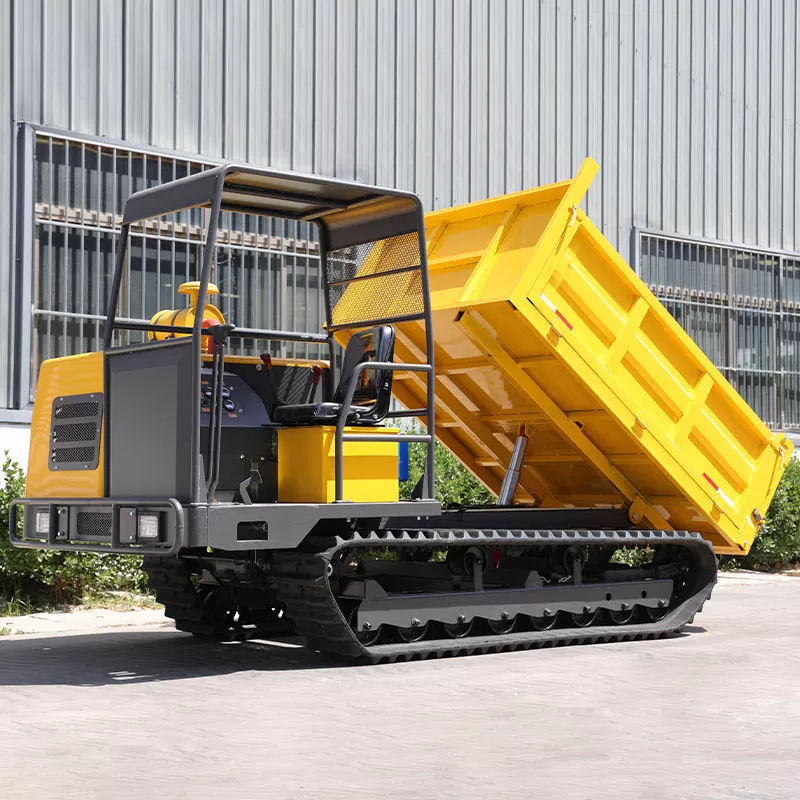
Before addressing hydraulic pump station leaks, it's essential to understand the common causes. Hydraulic pump station leaks generally fall into the following categories:
Loose connections: Loose connections between hydraulic pipes and the pump station can lead to oil leakage.
Seal failure: Aging or damaged seals inside the pump station can cause hydraulic oil leakage.
Pipe rupture: Aging, corrosion, or mechanical damage to hydraulic pipes can lead to hydraulic oil leakage.
Excessive system pressure: If the hydraulic system pressure is too high, it may exceed the pump station's design capacity, leading to leakage.
Hydraulic oil contamination: Impurities or water in the hydraulic oil can damage seals, leading to leakage.
Before addressing leakage problems, leakage detection is necessary. Common detection methods include:
Visual inspection: Regularly inspect the pump station and its connections for oil stains or traces, especially at connecting pipes, joints, and seals.
Auditory inspection: During operation, listen for unusual noises, especially near the pump station. Leaks are often accompanied by the sound of bubbles or flowing liquid.
Pressure testing: Use a pressure gauge or specialized testing equipment to check the hydraulic system pressure to ensure it is within the normal range.
Based on the specific cause of the leak, the following are some common treatment methods:
3.1 Tightening Connections
If the leak originates from a loose connection, first shut off the power and valves of the hydraulic system to ensure that the pressure in the hydraulic system is released. Then, use a wrench or special tool to tighten the loose connection. Be careful not to overtighten, as this may damage the connection.
3.2 Replacing Seals
Aging or damaged seals are one of the common causes of hydraulic pump station leaks. If the seals show signs of aging, cracking, or detachment, they should be replaced promptly. When replacing seals, choose seals of the same model as the original ones, and ensure that the sealing surface is clean during installation to prevent impurities from affecting the sealing effect.
3.3 Repairing or Replacing Damaged Pipes
Hydraulic pipe ruptures are usually caused by corrosion, external impact, or aging. When a pipe rupture is discovered, the hydraulic system should be shut off and the pressure released. Then, depending on the extent of the damage, decide whether to repair or replace the pipe. If the pipe damage is minor, a hydraulic pipe repair agent can be used for repair, but if the damage is extensive or the pipe is severely aged, a new pipe needs to be replaced.
3.4 Adjusting System Pressure
If the leak is caused by excessive system pressure, it is necessary to check whether the pressure control valve of the hydraulic system is malfunctioning. By adjusting the pressure control valve or replacing the damaged pressure valve, excessive pressure leading to hydraulic pump station leaks can be effectively avoided.
3.5 Replacing Hydraulic Oil
Hydraulic oil contamination is one of the common causes of seal damage. Before a leak occurs, contamination problems can be avoided by regularly changing the hydraulic oil. Use hydraulic oil that meets the equipment requirements, ensuring the cleanliness and quality of the oil. Regularly check the oil level and appearance; if the oil is cloudy or contains impurities, it should be replaced immediately.
3.6 Cleaning the Hydraulic System
When there are too many contaminants inside the hydraulic system, seals and pipes are prone to damage, leading to leaks. Regularly cleaning the hydraulic system, using a special cleaning agent to clean the oil tank, pipes, and various components, can effectively extend the service life of the hydraulic pump station. We have compiled the leakage points of the crawler-type overturning machine hydraulic pump station into the following table:
|
Leakage location |
Common causes |
Identification features |
|
Pump body end cover sealing surface |
Aging of the sealing ring, twisting during installation, uneven bolt preload |
Oil slowly seeps out along the joint between the pump body and the end cover. |
|
Pipe fittings (quick-connect/threaded ) |
Vibration causing loosening, O-ring crushing, thread damage, and lack of sealant application. |
A splashing leak, accompanied by a hissing sound. |
|
Valve block connection surface |
Valve block flatness deviation, gasket failure, foreign object embedding during installation |
Multiple oil leaks, concentrated at the edge of the valve assembly. |
|
Pressure gauge interface |
The inner sealing cone surface of the connector is worn; PTFE tape or sealant was not used. |
Micro-leakage is often overlooked. |
|
Filter cartridge mounting bracket |
Filter element sealing ring damaged, misaligned installation, uncleaned threads |
Oil seeps out from the bottom of the filter element or the cap. |
|
Hydraulic cylinder piston rod seal |
Wear of seals, scoring on piston rod surface, and scratches caused by dust intrusion. |
The oil film extends along the outer wall of the piston rod, forming an oil trail. |
Note: Leakage types are mainly external leaks; internal leaks are often accompanied by a decrease in system pressure and sluggish actuator movement, requiring monitoring and judgment using a pressure gauge.
To reduce the occurrence of hydraulic pump station leaks, the following preventive measures can be taken:
Regular inspection and maintenance: Regularly inspect all parts of the hydraulic pump station, including connectors, seals, pipes, and pressure valves, and address any problems promptly.
Select high-quality hydraulic oil: Using high-quality hydraulic oil can reduce oil contamination and minimize damage to seals.
Train operators: Operators should receive regular training on hydraulic systems, mastering the basic operation, maintenance, and troubleshooting methods of the hydraulic pump station.
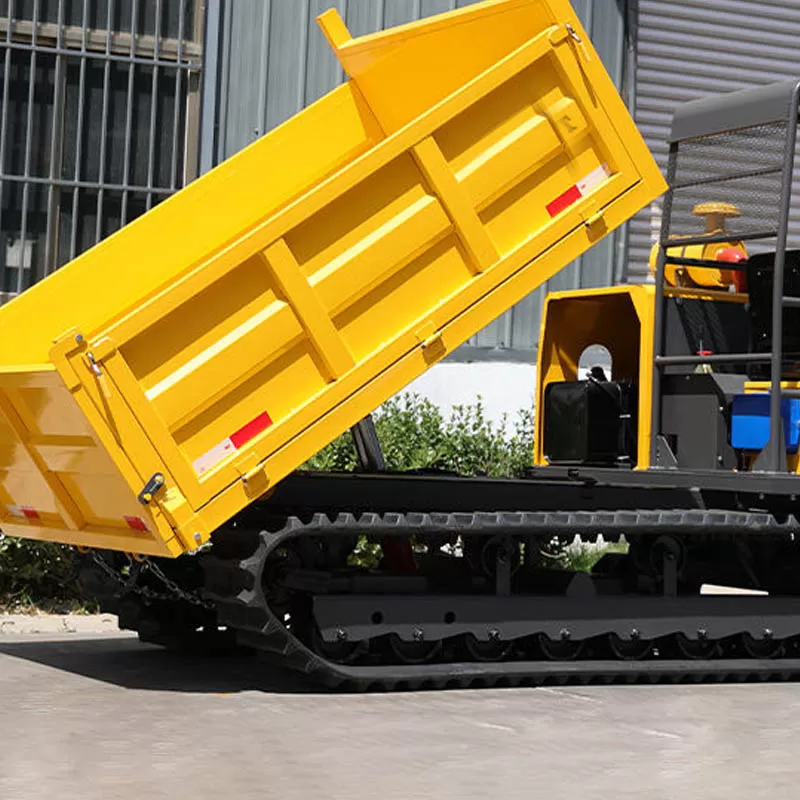
5.1 Emergency Response Phase (within 5 minutes)
Immediate shutdown: Press the emergency stop button to cut off the main power supply of the hydraulic pump station to prevent the leakage from spreading.
Pressure relief operation: Manually open the system pressure relief valve (or loosen the return oil pipe connector) to ensure that the system pressure returns to zero. Disassembly under pressure is strictly prohibited.
Control leakage spread:
Use oil-absorbing cotton or oil-absorbing felt to cover the leakage point and absorb the oil;
Lay anti-seepage oil cloth on the ground to prevent oil stains from seeping into the foundation or polluting the environment;
Do not use flammable materials such as cotton yarn or paper towels for wiping to avoid static electricity or fire hazards.
5.2 Fault Location and Temporary Treatment
Visual inspection + tactile inspection: Wear oil-resistant gloves and inspect along the pipeline from the pump station outlet section by section, focusing on connectors, valve blocks, and filter element seats.
Temporary leak plugging (for emergency only):
For small spray points: Use hydraulic-specific leak-stopping adhesive (such as Loctite 577) for quick sealing;
For loose connectors: Use anti-loosening clamps or quick-setting sealing tape for temporary tightening;
It is strictly prohibited to wrap high-pressure pipe connectors with raw rubber tape, as it is easy to fall off and cause secondary leakage.
5.3 Long-term Repair and Replacement
|
Fault type |
Handling methods |
Key points of operation |
|
Sealing ring aging/ damage |
Replace the seals with NBR or FKM seals of the same model (L-HM46 hydraulic oil compatibility recommended). |
Apply hydraulic oil for lubrication before installation. Do not pry with sharp tools. |
|
Loose connector / damaged threads |
After disassembly, check the integrity of the threads and replace with a new connector; tighten using a torque wrench to the manufacturer's standard torque (e.g., M16×1.5: 45 N·m). |
Clean the threads before tightening and apply a small amount of threadlocker. |
|
Valve block leakage |
Disassemble the valve block, check its flatness (≤0.02mm), and replace the copper or fluororubber gasket. |
Tighten the screws diagonally during installation to prevent deformation. |
|
Filter cartridge housing leakage |
Replace the filter element sealing ring, clean the mounting thread and sealing surface, and ensure there is no dust or sand residue. |
When adding oil, it must be filtered throughan oil filter truckbefore being injected. |
Key principle: All replacement parts must be original or equivalent certified parts; mixing non-standard seals is prohibited.
Pressurized operation is prohibited: Do not disassemble any hydraulic components before depressurizing the system. High-pressure oil jets can cause serious personal injury.
Using cotton yarn for wiping is prohibited: Cotton fibers can easily detach and enter the system, causing valve spool jamming or pump body wear.
Mixing different types of oil is prohibited: Mixing hydraulic oils with different viscosities or additives will lead to seal swelling or sludge formation.
Welding the accumulator housing is prohibited: The high-pressure gas inside may explode when heated; repairs must be handled by the manufacturer.
Disassembly and inspection in dusty environments without protection is prohibited: A dust cover must be used to cover the disassembly opening to prevent system contamination.
Hydraulic pump station leakage is a common maintenance problem for crawler-type tippers. Timely detection and treatment of leaks can not only ensure the normal operation of the equipment but also extend the service life of the pump station and hydraulic system. As crawler-type tipper maintenance engineers, we need to regularly inspect and maintain the hydraulic system, master leak handling methods, and take effective preventive measures to ensure the efficient and safe operation of the crawler-type tipper.
A leak emergency kit should be placed near the pump station, containing oil absorbent cotton, leak sealant, spare O-rings, a torque wrench, and oil-resistant gloves, to ensure a response within 5 minutes.

