
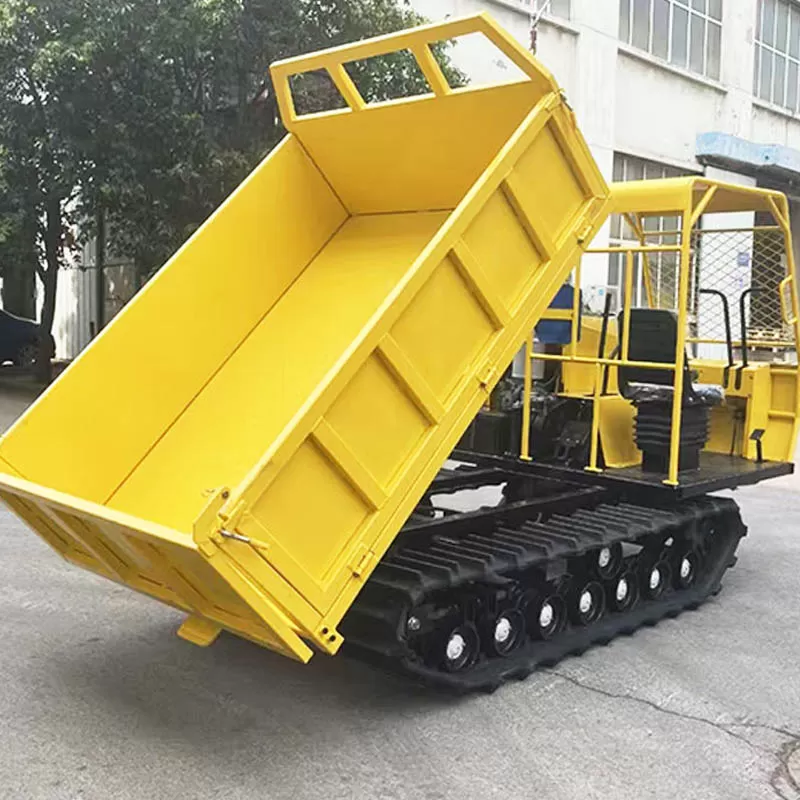
Tracked dump trucks are important agricultural machinery, and the performance of their hydraulic system directly affects the overall working efficiency and service life of the machine. The hydraulic pump station, as the core component of the hydraulic system, is responsible for providing high-pressure hydraulic oil. Therefore, the maintenance and upkeep of the hydraulic pump station are crucial. This article, from the perspective of a tracked dump truck maintenance engineer, will detail the daily maintenance, inspection items, and solutions to common faults of the hydraulic pump station.
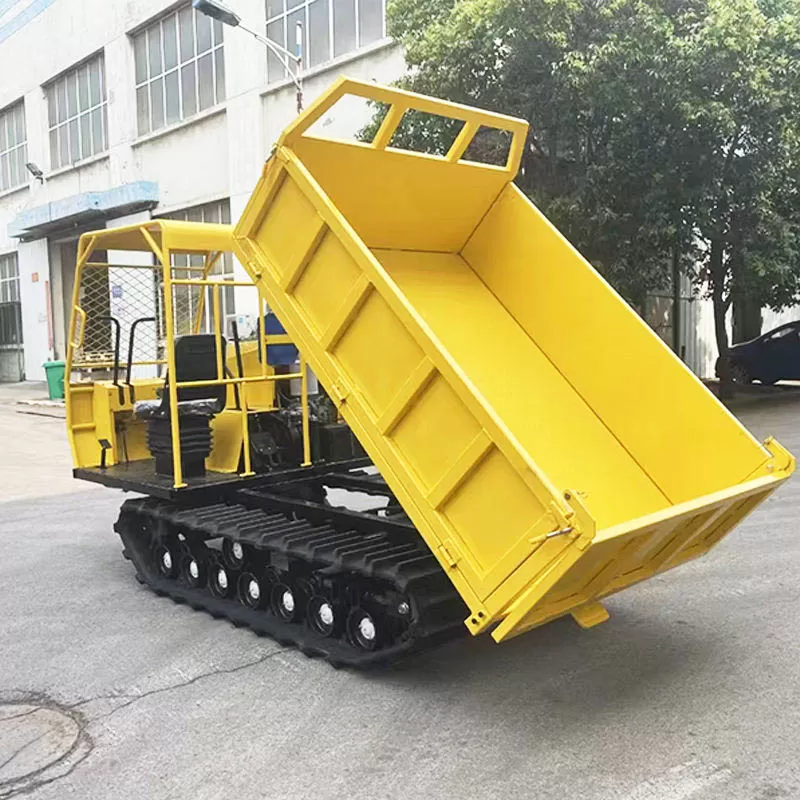
The hydraulic pump station is the core of the tracked dump truck's hydraulic system. Its main function is to convert the mechanical energy of the engine into hydraulic energy to drive the various components of the hydraulic system. The hydraulic pump station generally consists of a hydraulic pump, electric motor or engine, oil tank, cooling system, and control valves. Due to long-term operation under high load conditions, the maintenance and upkeep of the hydraulic pump station require special attention.
2.1 Hydraulic Oil Replacement and Inspection
Hydraulic oil is the lifeline of the hydraulic system, and regularly checking the oil level, oil quality, and oil temperature is crucial. Hydraulic oil should be replaced regularly (usually every 1000 hours), and the correct type of hydraulic oil should be selected during replacement. At the same time, check the oil tank for contaminants such as metal shavings and water. If oil contamination is found, replace the oil promptly and clean the oil tank.
2.2 Checking the Operation of the Hydraulic Pump
The hydraulic pump, as the heart of the hydraulic system, must be ensured to be working properly. During daily use, regularly check the operating sound of the hydraulic pump, paying attention to any abnormal noises or vibrations. If abnormalities are found, it may indicate wear or damage inside the hydraulic pump, requiring inspection or replacement.
2.3 Inspection of Hydraulic Pipelines and Connectors
The sealing and secure connection of hydraulic pipelines directly affect the stability of the hydraulic system. During each maintenance, check the hydraulic pipelines and connectors for oil leaks. Especially at the connectors and hoses, confirm that there are no looseness, cracks, or corrosion. If any problems are found, they must be addressed promptly.
2.4 Cleaning Filters and Radiators
The hydraulic system is equipped with filters and radiators to filter impurities from the hydraulic oil and reduce oil temperature. Regularly checking and cleaning the filters and radiators can effectively prevent hydraulic oil contamination and overheating, ensuring the normal operation of the hydraulic system. Depending on usage, the filters should typically be cleaned every 500 hours, and the radiators should be checked regularly for blockages.
2.5 Checking Oil Temperature and Pressure
The oil temperature and pressure of the hydraulic system should be maintained within the appropriate range. Excessively high or low oil temperature and pressure will affect the working performance of the hydraulic system. Regularly check the pressure gauge and temperature gauge of the hydraulic system to ensure they are within the normal range. If high oil temperature or unstable oil pressure is detected, the hydraulic system should be checked for malfunctions.
|
Component Categories |
Core components |
Function Description |
|
Power unit |
Variable displacement piston pump (main pump) |
Provides a high-pressure oil source, with a displacement of 85–160 ml/r, suitable for heavy-load start-stop shocks, and requires a matching motor power ≥ 22 kW. |
|
Gear pump (auxiliary pump) |
Used in control loops or cooling systems, with a displacement of 16–56 ml/r, ensuring low-speed system response. |
|
|
Control Unit |
Solenoid directional valve |
Controlling the direction of the hydraulic cylinder's movement enables a sequence of actions such as pressing, leaning against, and tilting the vehicle. |
|
Electromagnetic relief valve |
Limit the maximum system pressure (typically 30–35 MPa) to prevent damage from overpressure. |
|
|
Pressure reducing valve |
Provides stable low pressure (3.5–5 MPa) for auxiliary circuits (such as clamping and locking). |
|
|
Filtration and purification |
Oil suction filter element (≤20μ) |
Installed at the pump inlet, it intercepts particulate matter inside the oil tank to prevent pump cavitation. |
|
Oil return filter element (≤10μ) |
To remove wear products from the filtration system circulation, it is recommended to use a device with a differential pressure alarm. |
|
|
Air filter (top of fuel tank) |
It prevents dust and moisture from entering, and also has a breathing function; it needs to be cleaned or replaced regularly. |
|
|
Monitoring and support |
Pressure gauge, oil level gauge, oil temperature gauge |
The system status should be monitored in real time, and the oil temperature should be controlled between 35 and 60°C. If the temperature exceeds 60°C, the machine should be shut down immediately. |
|
Hydraulic cooler |
For air-cooled or water-cooled models, clean the heatsink fins every 250 hours to ensure efficient heat dissipation. |
|
|
Energy accumulator (optional) |
To buffer pressure fluctuations and maintain system stability, the pre-charge nitrogen pressure needs to be checked every 500 hours. |
Note: The system oil tank capacity is usually ≥850L. L-HM46 (anti-wear hydraulic oil) is recommended for hydraulic oil; L-HV46 can be used in low-temperature environments.
3.1 Insufficient Hydraulic Pump Output
If the hydraulic pump output is insufficient, it may be due to internal wear of the pump body, oil circuit blockage, or substandard hydraulic oil quality. During maintenance, check the cleanliness of the hydraulic oil, clean the oil circuit, and check the hydraulic pump for abnormal wear.
3.2 Hydraulic Oil Overheating
High hydraulic oil temperature may be caused by radiator blockage, cooling system failure, or hydraulic oil quality problems. Check the radiator and cooling system, clean any dirt, and replace the coolant if necessary. Also, check if the hydraulic oil is aging and replace it if necessary.
3.3 Hydraulic System Oil Leakage
Oil leakage in the hydraulic system is one of the common faults. Leakage can lead to a decrease in the efficiency of the hydraulic system and even cause malfunctions. Check all oil pipes and connectors to ensure they are not loose, cracked, or aged. If leakage is found, replace the seals or pipes promptly.
3.4 Excessive Noise
If the hydraulic pump station emits abnormal noise, it may be due to wear of internal components in the hydraulic pump or impurities in the hydraulic oil. Check the internal condition of the hydraulic pump and clean or replace the hydraulic oil.
|
project |
Operation content |
Judgment criteria |
|
Oil level check |
Observe the fuel level gauge in the fuel tank and confirm that the liquid level is between the upper and lower marks. |
Add oil immediately if the level drops below the lower limit; do not operate the pump dry. |
|
Leakage Investigation |
Visually inspect the pump body, valve block, pipe joints, and cylinder piston rod, paying particular attention to the seals. |
No oil droplets, no oil mist, no wet marks |
|
Unusual noise |
After starting the pump, listen for 30 seconds to identify any unusual noises such as hissing, clicking, or buzzing from the pump body. |
Normal operation produces a uniform, low-frequency sound; any unusual noises should prompt immediate shutdown. |
|
Oil temperature monitoring |
Read the oil temperature gauge and record the highest temperature during operation. |
Start the cooling system when the temperature exceeds 60°C, and force shutdown when the temperature exceeds 70°C. |
|
Filter alarm |
Check if the differential pressure indicator has triggered an alarm (red zone). |
The machine will stop immediately upon alarm activation and the filter element needs to be replaced. |
|
Cleaning and maintenance |
Clean the pump station casing, cooler surface, and air filter screen. |
No dust, no oil stains, no debris accumulation |
Proper maintenance and upkeep of the hydraulic pump station are crucial for the normal operation of the crawler-type tipper. Through regular checks of the hydraulic oil, filter replacement, oil tank cleaning, inspection of pipelines and connectors, and regular inspection of the hydraulic pump and cooling system, the service life of the hydraulic pump station can be effectively extended, ensuring the stable operation of the crawler-type tipper in high-load working environments.
For the maintenance of the crawler-type tipper, maintaining meticulous daily maintenance habits can not only prevent equipment failures but also allow for quick and accurate troubleshooting when problems arise, ensuring the machine operates efficiently for extended periods.

