
We fully recognize the critical importance of the air filter in loader operations. The air filter serves to prevent external dust and impurities from entering the engine, thereby ensuring smooth operation and extending the engine's service life. Consequently, the regular cleaning and replacement of the air filter are key to maintaining the vehicle's operational efficiency. This is particularly vital for heavy-duty engineering vehicles such as loaders. Loaders frequently operate in dust-laden environments—such as mines, earthmoving sites, and infrastructure construction zones. If the air filter becomes clogged or damaged, dust and sand can enter the cylinders directly, triggering catastrophic failures such as cylinder scoring, bearing damage, power loss, and skyrocketing fuel consumption. This document outlines the detailed steps for cleaning and replacing loader air filters, providing maintenance engineers and operators with a comprehensive guide for routine maintenance.
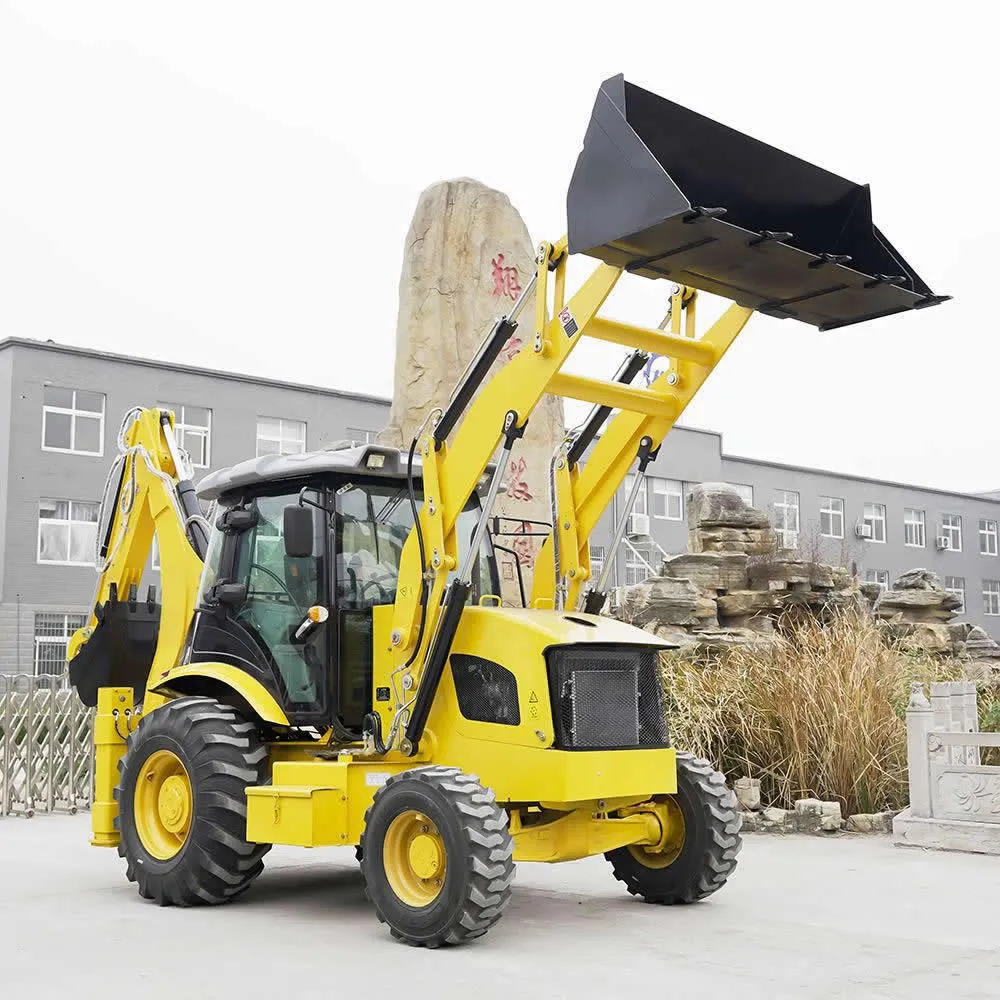
During loader operation, the air filter is subjected to extremely harsh environmental conditions. Particularly in dusty construction environments, the filter is prone to clogging by contaminants such as dust, sand, and gravel. This obstruction compromises the engine's air supply, leading to reduced power output, increased fuel consumption, and potentially even severe engine damage. Therefore, the regular inspection, cleaning, and replacement of the air filter are absolutely essential.
Wheel loaders typically come equipped with a standard dry-type, dual-stage air filtration system (consisting of a main filter element and a safety filter element):
Main Filter Element: The outer filtration layer, responsible for capturing over 95% of incoming sand and dust; this is the primary component for routine cleaning and replacement.
Safety Filter Element: The inner protective layer, serving as a fail-safe backup in the event that the main filter element becomes damaged; this element should *only* be replaced—never cleaned with compressed air—and must *never* be removed during routine maintenance.
Core Maintenance Principle: Prioritize cleaning; replace when necessary. Strictly prohibit operating the vehicle without a filter installed or with a damaged filter in place.
2.1 Required Tools
Compressed air source (equipped with a blow gun/air nozzle); clean cotton cloths or non-woven cleaning wipes.
Protective gloves and safety goggles.
Genuine OEM-specified main filter element (strictly prohibit the use of non-standard or aftermarket filters).
Screwdriver and/or filter housing latch removal tool (compatible with the specific loader's air filter housing).
2.2 Mandatory Safety Regulations
Ensure the vehicle engine is shut off and the power supply is cut; engage the parking brake and park on level, firm ground. Perform operations only after the engine has completely cooled down.
Strictly prohibit removing the air filter while the engine is running to prevent foreign objects from being drawn into the cylinders.
Select a work site that is sheltered from the wind and free of airborne dust to prevent sand and dust from re-entering the air intake system.
2.3 Environmental Restrictions
Do not perform operations outdoors during rainy weather or strong winds accompanied by dust. Do not use water to rinse the filter element or the interior of the filter housing.
Applicable Scenario: To be performed at the end of every work shift (daily / after 8 hours of operation), provided the filter element is undamaged and merely accumulated with dust.
Step 1: Open Cover and Remove Filter
Locate the loader's air filter housing (typically situated on the side or rear of the engine compartment; it is a round plastic or metal housing).
Loosen the housing clips or fastening bolts, and slowly open the top cover to prevent accumulated dust within the housing from falling into the air intake port.
Vertically remove the main filter element (the safety element—or inner filter—must remain in place; do not remove it).
Step 2: Compressed Air Purging (Core Operation)
Adjust the air compressor pressure: 0.4–0.6 MPa (pressure that is too high may rupture the filter paper; pressure that is too low will result in incomplete dust removal).
Purging Direction: Blow from the inside of the filter element outward (counter to the direction of airflow) to force sand and dust out through the pores of the filter paper.
Purging Method: Blow evenly along the pleats of the filter element—moving up, down, left, and right—ensuring that every pleat is covered. Do not focus the airflow on a single spot for an extended period.
Auxiliary Dust Removal: Gently tap the end face of the filter element by hand to dislodge deeply embedded dust; do not strike or slam the filter forcefully.
Step 3: Inspection of Filter Element and Housing
Visually inspect the main filter element: Check for any damage, oil stains, deformation, or detachment of the filter paper.
Use a clean cotton cloth to wipe down the inner wall of the air filter housing and the sealing ring groove; do not use an air blow gun to purge the interior of the housing (to prevent sand and dust from being forced into the engine's air intake system).
Inspect the housing's sealing ring (gasket): Check for signs of aging or damage, and ensure it fits tightly and securely.
Step 4: Reassembly and Reset
Align the cleaned main filter element vertically with the base, ensuring that the sealing ring is fully seated within its groove—with no misalignment or gaps.
Close the air filter cover, fasten all clips (or tighten the bolts), and ensure the housing is completely sealed (air leaks are a primary cause of premature engine wear).
Applicable Scenarios: When cleaning proves ineffective, the filter element is damaged, or the scheduled maintenance interval has been reached.
Step 1: Removal of the Old Filter Element
Open the housing according to the cleaning procedure and remove the main filter element.
Inspect the safety filter element: If dust accumulation, damage, or deformation is observed, replace it simultaneously (under normal conditions, it should be replaced every 1,000 hours or once per year).
Thoroughly clean any accumulated dust or debris from the interior of the housing, and wipe down the sealing surfaces.
Step 2: Verification of the New Filter Element
Select a genuine OEM filter element specifically designed for the loader model; verify the dimensions and sealing ring specifications. The use of inferior paper filters or modified filters is strictly prohibited.
Inspect the new filter element: Ensure the filter paper is smooth, the sealing gasket is intact, and there is no damage or deformation.
Step 3: Installation of the New Filter Element
Align the main filter element vertically with the base and insert it, confirming that the sealing ring makes full contact with the housing's sealing surface.
If replacing the safety filter element, likewise ensure it is properly seated and secure, with no looseness.
Close the housing and evenly fasten all clips (or tighten the bolts) to eliminate any potential air leak gaps.
Step 4: Operational Verification
Start the engine and allow it to idle for 1 to 2 minutes.
Observe the air intake blockage warning light on the instrument panel; if no alarm is triggered, the installation is deemed successful.
Listen to the engine's running sound; the absence of any abnormal suction noises indicates that the seal is functioning correctly.
Based on the loader's operating conditions, implement a tiered maintenance schedule:
Routine Cleaning: After every shift (8 hours), perform one compressed air blow-out.
Deep Cleaning: Every 50 operating hours, perform a comprehensive dust removal plus housing cleaning.
Main Filter Element Replacement: 200–300 hours under normal operating conditions; 150 hours under mining or heavy-dust conditions.
Safety Filter Element Replacement: Every 1,000 operating hours or once per year; this step must *not* be omitted.
Emergency Replacement: Replace immediately if a dashboard warning light activates, the filter element is damaged or contaminated with oil, or engine power output declines.
Paper Filter Elements — Absolute Prohibitions: For dry-type air filters, strictly forbid washing with water, soaking in oil, or rinsing with a high-pressure water gun; contact with water or oil will cause the filter paper to clog and fail.
Avoid "Blow-Only, No-Replace" Practices: If a filter element has been blown out more than 5 times, or if the filter paper has hardened, it *must* be replaced; excessive cleaning leads to a decline in filtration precision.
Sealing is Key: A misaligned sealing ring or an improperly latched housing will result in "short-circuit" air intake, allowing sand and dust to enter the engine directly—with irreversible consequences.
Do Not Clean the Safety Filter Element: The inner safety filter element serves a protective function only; strictly forbid blowing it out or cleaning it. Replace it directly once its scheduled service interval is reached.
Never Operate Without a Filter: Under no circumstances should the engine be started with the air filter removed—even for a brief test run.
Misconception: Using high-pressure air to aggressively blow out the filter element. → Consequence: Damaged filter paper, resulting in filtration failure.
Misconception: Making do with a low-quality filter element. → Consequence: Poor filtration, high intake resistance, and accelerated engine wear.
Misconception: Ignoring air leaks in the filter housing. → Consequence: Within 3 months, the engine will exhibit cylinder wall wear and power degradation.
Air filter maintenance serves as the first line of defense in caring for a loader's engine; it is also the most cost-effective maintenance task with the most direct and immediate impact. We consistently recommend the following: adhere strictly to cleaning tutorials, replace components according to prescribed intervals, and ensure the integrity of all seals. Only by following these measures can the engine maintain long-term stability under harsh operating conditions, significantly reduce the likelihood of major overhauls, and truly realize the principle of "preventive maintenance over repair."
Strict adherence to these operational guidelines can effectively extend the engine's service life by over 30%, thereby safeguarding the efficient operation of engineering vehicles.

