
Hydraulic cylinders and seals are critical components of the hydraulic system, directly affecting the performance and reliability of the loader. We understand the crucial role of the hydraulic system in the overall operation of the machine. Regular maintenance and upkeep are essential for extending the service life of these components, improving work efficiency, and reducing malfunctions. This article will detail the maintenance and upkeep measures for the hydraulic cylinders and seals of telescopic boom loaders.
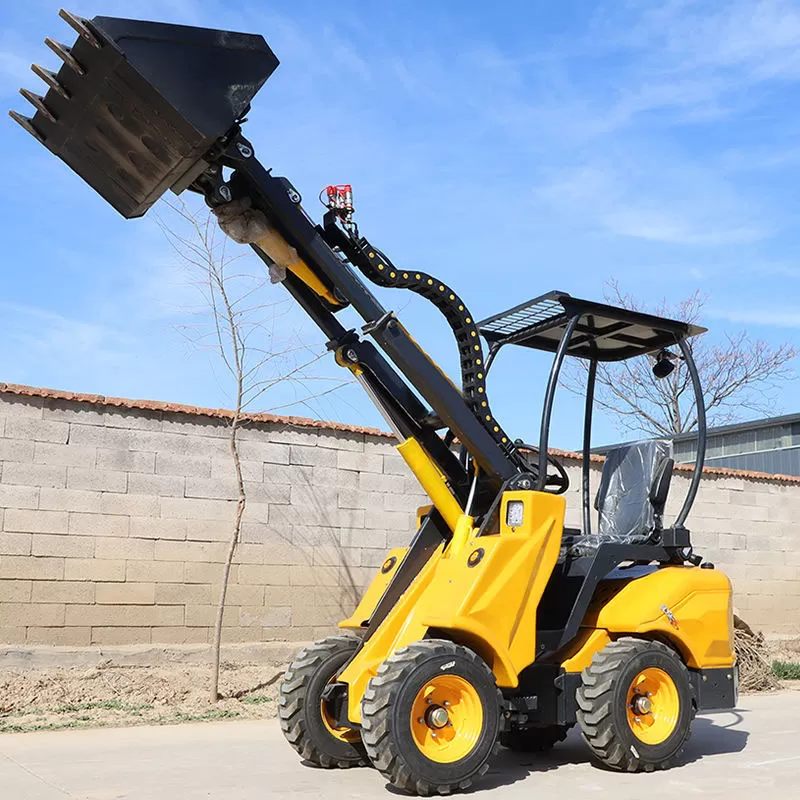
The hydraulic cylinder is the main actuator in the hydraulic system of a telescopic boom loader, and its working performance directly determines the loader's operational capabilities. To ensure the hydraulic cylinder operates efficiently, we need to regularly inspect and maintain the following aspects:
1.1 Cleaning the Exterior of the Hydraulic Cylinder
The hydraulic cylinder is prone to accumulating dust, oil, and other impurities during operation. Regular cleaning of the hydraulic cylinder's exterior is very important. Use a clean cloth or specialized cleaning tools, avoiding dirt entering the hydraulic cylinder and causing wear.
Pay special attention to the rod end of the hydraulic cylinder, ensuring no foreign objects remain near the seals to prevent scratching the seals and causing hydraulic oil leakage.
1.2 Checking Hydraulic Oil Quality and Level
The operation of the hydraulic cylinder depends on the quality of the hydraulic oil. Regularly check whether the hydraulic oil has deteriorated and whether the oil quality meets the requirements. If the oil changes color or the water content exceeds the standard, it should be replaced immediately.
At the same time, check whether the oil level is normal to ensure that there is enough oil in the hydraulic system for the hydraulic cylinder to operate, avoiding unstable operation or damage to the hydraulic cylinder due to insufficient oil.
1.3 Checking the Working Status of the Hydraulic Cylinder
Regularly inspect the appearance of the hydraulic cylinder, observing for any leaks, corrosion, cracks, etc. If any abnormalities are found, repairs should be carried out promptly.
During the operation of the telescopic boom loader, pay special attention to whether the hydraulic cylinder is stuck, overheating, or making excessive noise. If these phenomena occur, it may indicate wear of internal components or aging of the seals, and professional personnel should be arranged for inspection and repair.
1.4 Checking the Condition of the Hydraulic Cylinder Piston Rod
The piston rod is the core component of the hydraulic cylinder. Regularly check the piston rod for scratches, cracks, or excessive wear. Severe wear on the piston rod surface can easily lead to seal damage or hydraulic oil leakage, so it is important to keep it smooth and clean.
1.5 Typical Symptoms and Causes of Hydraulic Cylinder Problems
|
Failure type |
Typical manifestations |
Main causes |
|
External leakage |
Oil seeps from the piston rod surface and drips onto the ground. |
Dust seal damage, piston rod surface scratches, piston rod seal aging or twisted installation |
|
Internal leak |
Slow movement, automatically sinks when no load |
Piston seal (U-type/step seal) wear, hydraulic oil contamination (metal filings, moisture), piston and cylinder wall coaxiality deviation |
|
Stuttering / abnormal noise |
Unsmooth movements, metallic friction sounds |
Guide sleeve wear, insufficient lubrication, and impurities entering the sliding surface |
|
corrosion |
Rust spots or peeling of plating on cylinder or piston rod surfaces |
Failure to clean in a high-humidity environment (such as Chongqing), or exposure of the piston rod after shutdown. |
The seals of the hydraulic cylinder are responsible for preventing hydraulic oil leakage and external contaminants from entering the hydraulic system. Maintenance of the seals is crucial for extending the service life of the hydraulic cylinder. The following are common maintenance measures for seals:
2.1 Checking the Wear of the Seals
As a protective barrier for the hydraulic cylinder, seals will experience aging, hardening, and wear after long-term operation. Regularly check the seals for any obvious cracks, hardening, deformation, or signs of aging. If any problems are found, the seals should be replaced immediately.
When replacing seals, it is essential to use seals that meet the original manufacturer's standards to ensure their compatibility and performance.
2.2 Preventing External Contaminants from Entering the Sealing System
One of the biggest enemies of seals is external contaminants, including dust, moisture, and impurities. During each inspection of the hydraulic cylinder, pay attention to whether there is any debris or corrosive material around the seals to ensure the cleanliness of the sealing system.
During use, special attention should be paid to avoiding excessive dust accumulation in the operating environment, or accidental damage to the seals by operators.
2.3 Ensuring Seal Lubrication
Lubrication of hydraulic cylinder seals is one of the important measures to prevent wear. During maintenance, the lubrication status of the hydraulic cylinder oil seals should be checked. Poor lubrication may lead to abnormal friction during operation, thus shortening their service life.
2.4 Regularly Checking and Replacing Hydraulic Oil
Since the quality of hydraulic oil directly affects the working condition of the seals, keeping the hydraulic oil clean is one of the keys to maintaining the seals. Regularly changing the hydraulic oil and paying attention to the cleanliness of the oil can effectively protect the seals and reduce wear.
2.5 Hydraulic Cylinder Seal Replacement Cycle Reference
|
Seal type |
Installation location |
Commonly used materials |
Function |
Replacement Standard |
|
Dust ring |
cylinder head outer side |
Polyurethane (PU) |
Preventing dust and moisture from entering |
Damage, deformation, hardening, loss of elasticity;in mountainous areas, it is recommended to check every 100 hours and replace every 300 hours. |
|
Piston rod seal ring |
Cylinder head inner side |
Polyurethane (U-type/Y-type), Fluororubber (FKM) |
Prevent hydraulic oil leakage |
Oil seepage, surface cracking, and lip curling are common issues. Fluororubber has a lifespan of 3–10 years, while polyurethane typically lasts 8–12 months. |
|
Piston seal |
Piston outer edge |
Polyurethane (Step Sealing) |
Isolate rod-type and rodless chambers |
System pressure drops, operation slows, and internal leakage worsens;replacement is necessary every 500 hours or upon detection of internal leakage . |
|
Guiding support ring |
Piston and guide sleeve |
Polytetrafluoroethylene (PTFE) / Bronze |
Prevent metal contact and reduce friction |
Wear, cracking, and deformation;inspect every 1000 hours or when replacing seals. |
In addition to regular inspections and repairs, the following preventive measures are also effective ways to ensure the long-term proper functioning of hydraulic cylinders and seals:
3.1 Avoid Overloading
During operation, avoid overloading the telescopic boom loader and prevent the hydraulic cylinder from being subjected to excessive pressure. Overloading not only affects the working efficiency of the hydraulic system but may also accelerate the wear of the hydraulic cylinder and seals.
3.2 Regularly Inspect Other Components of the Hydraulic System
The hydraulic system is a complex system, and the working condition of other components such as hydraulic pumps, valves, and pipelines will directly affect the normal operation of the hydraulic cylinder. Regularly inspecting the entire hydraulic system and maintaining the coordinated operation of each component can effectively reduce the failure rate.
3.3 Pay Attention to Improving the Working Environment
The working environment of the telescopic boom loader has a significant impact on the hydraulic system. Avoid using the equipment in harsh environments, especially in high-temperature, extremely cold, and high-humidity environments, which can easily lead to the degradation of hydraulic oil and seal performance.
3.4 Environmental Response Measures
|
Environmental risks |
Response measures |
|
High humidity causes corrosion. |
apply anti-rust grease(such as lithium-based grease) to exposed cylinder barrels and hinge points monthly. |
|
Dust intrusion accelerates wear and tear . |
a high-precision air filterat the fuel tank vent ; usea portable refueling cart with a filterwhen refueling. |
|
Temperature difference roughly corresponds to aging of the seal. |
Before starting in winter,run the engine at low speed under no-load for 5-10 minutesuntil the oil temperature rises above 20°Cbefore operation; avoid sudden full-load operation when the engine is cold. |
|
Rainwater seeps into the oil. |
Drain the sediment from the bottom of the fuel tank weekly; check if the fuel is emulsified (it should appear milky white); if emulsified, change the fuel immediately. |
|
Incorrect practice |
Correct approach |
|
Wipe the piston rod with cotton yarn. |
Usea lint-free soft clothto avoid fiber residue. |
|
Seals were replaced and then installed without lubrication. |
Hydraulic oil must be appliedto prevent dry friction. |
|
Mixing different brands of hydraulic oil |
Strictly usethe manufacturer's recommended oilsto avoid additive conflicts. |
|
The cylinder wall was not cleaned after disassembly. |
After disassembly , thoroughly clean withkerosene and non-woven cloth , then dry with compressed air. |
|
Seal the pipe joint with Teflon tape. |
UseO-rings and metal sealing surfaces; do not use raw rubber tape or hemp rope. |
Hydraulic cylinders and seals are crucial components in the hydraulic system of a telescopic boom loader, and their maintenance directly affects the performance and working efficiency of the entire machine. Through regular inspection, cleaning, lubrication, and seal replacement, the service life of hydraulic cylinders and seals can be effectively extended, and the reliability and working efficiency of the equipment can be improved. We need to constantly monitor the condition of these critical components to ensure that the equipment maintains good performance in various working environments.

