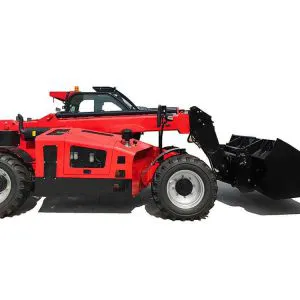
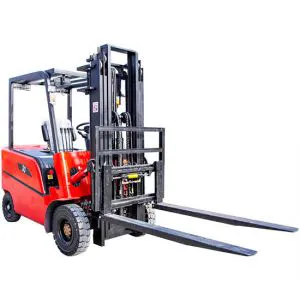
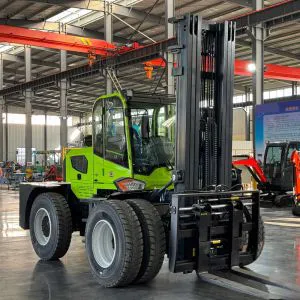
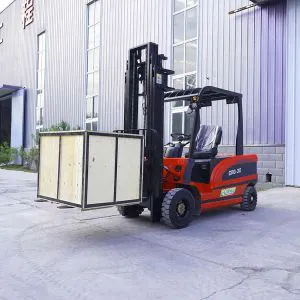
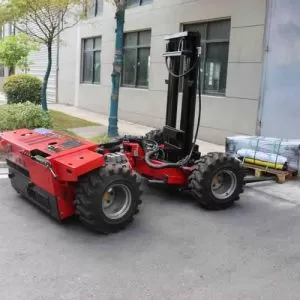
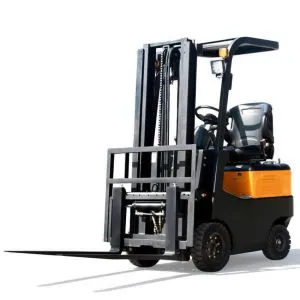
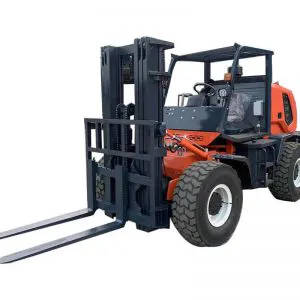
Diesel forklifts, as common internal combustion material handling equipment, are core equipment in the industrial logistics field. Their performance stability directly affects operational efficiency and safety, and they possess advantages such as high load capacity and good adaptability to harsh environments. However, the workload and environmental pollution they endure in different operating scenarios (indoor and outdoor) vary greatly. The operating environments differ significantly between indoor and outdoor conditions. Outdoor operations face challenges such as dust, temperature and humidity fluctuations, and bumpy roads, while indoor operations require attention to space limitations and air quality impacts. Scientific maintenance not only extends equipment lifespan but also effectively prevents sudden failures and reduces overall operating costs. Post-operation maintenance is particularly crucial: it's an important window for removing accumulated dust, checking for leaks, replenishing lubrication, and preventing corrosion and fatigue damage. Proper maintenance can effectively extend component lifespan, improve operating efficiency and safety, and reduce downtime. The following is a detailed technical analysis of the key maintenance points for diesel forklifts after indoor and outdoor operations.
2025-11-19