
Rough terrain forklifts are heavy-duty material handling equipment designed specifically for complex terrain environments. They offer excellent maneuverability and stability on uneven surfaces such as mud, gravel, and slopes. Compared to ordinary warehouse forklifts, the four-wheel drive system and suspension structure of rough terrain forklifts are more complex, directly affecting the vehicle's traction, stability, and durability. Therefore, regular inspection and maintenance of these two systems are crucial to ensuring the safe and reliable operation of the equipment.
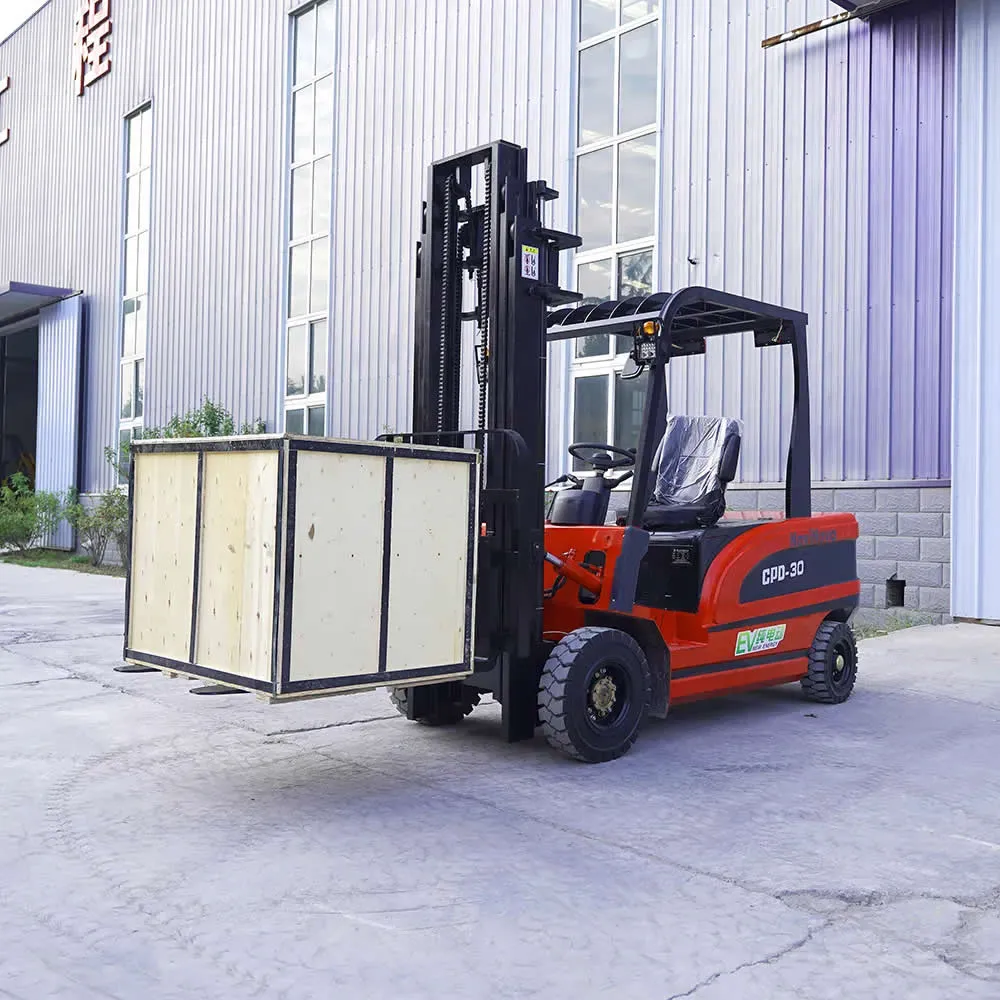
The four-wheel drive (4WD) system of a rough terrain forklift typically includes core components such as the engine, transmission, differential, and drive shafts. The purpose of four-wheel drive is to improve traction, climbing ability, and off-road performance on rough terrain. Some models are also equipped with a switchable 2WD/4WD mechanism and differential lock to adjust the drive mode according to working conditions.
The main maintenance tasks of the four-wheel drive system include lubrication, cleaning, checking for oil leaks, adjusting fasteners, and changing the oil in the differential and transmission components.
2.1 Lubrication and Fluid Maintenance
As the core part of power transmission, the gears, bearings, and universal joints in the four-wheel drive system require sufficient lubrication. First, the oil level and quality of the transmission and differential should be checked regularly according to the manufacturer's specifications. If the oil is found to be cloudy, contaminated, or contains metal shavings, it should be replaced promptly. This type of maintenance is generally recommended to be performed on an hourly or seasonal basis.
Every 600–1000 operating hours, the following parts must be lubricated with industrial lithium-based grease (NLGI Grade 2):
Universal joint cross shafts;
Drive axle differential input/output flanges;
Four-wheel drive transfer case shift mechanism linkage.
Lubrication of universal joints, bearings, and other lubrication points should not be neglected. Lubrication is more easily lost in these areas due to vibration and large load changes, so it is recommended to re-lubricate according to the manufacturer's recommended frequency.
2.2 Checking for Oil Leaks and Seal Condition
The four-wheel drive system operates in harsh working environments, and seals and oil seals are prone to aging. During each routine inspection, check the rear axle differential, transmission case, and drive shaft connections for oil leaks. If leaks are found, replace the seals or shaft seals promptly and check for oil leaks caused by bearing wear.
Park the vehicle on level ground, turn off the engine, and engage the parking brake;
Remove the drain plug and completely drain the old oil (heating to 40℃ is recommended to accelerate drainage);
Clean the magnetic drain plug and check the iron filings content (excessive filings require investigation of gear wear);
Install a new gasket, fill to the midline of the oil level gauge, and tighten to a torque of 45 N•m.
2.3 Differential Lock and Drive Shaft Inspection
The differential lock is especially important in muddy and low-traction scenarios. Maintenance engineers should test the differential lock's opening and closing functions and the continuity of the control system as required. The universal joints and splines of the drive shaft also need to be checked for play, cracks, or abnormal noise, as these signs often foreshadow future failures.
Manually test the responsiveness of the electronically controlled/mechanical differential lock during each maintenance;
Check the drive axle oil seals for leaks. If oil stains or dust accumulation with oil traces are found, replace the oil seals immediately;
It is strictly prohibited to park the vehicle without cleaning the chassis after wading through water, as mud and sand accumulation will accelerate the aging of the seals.
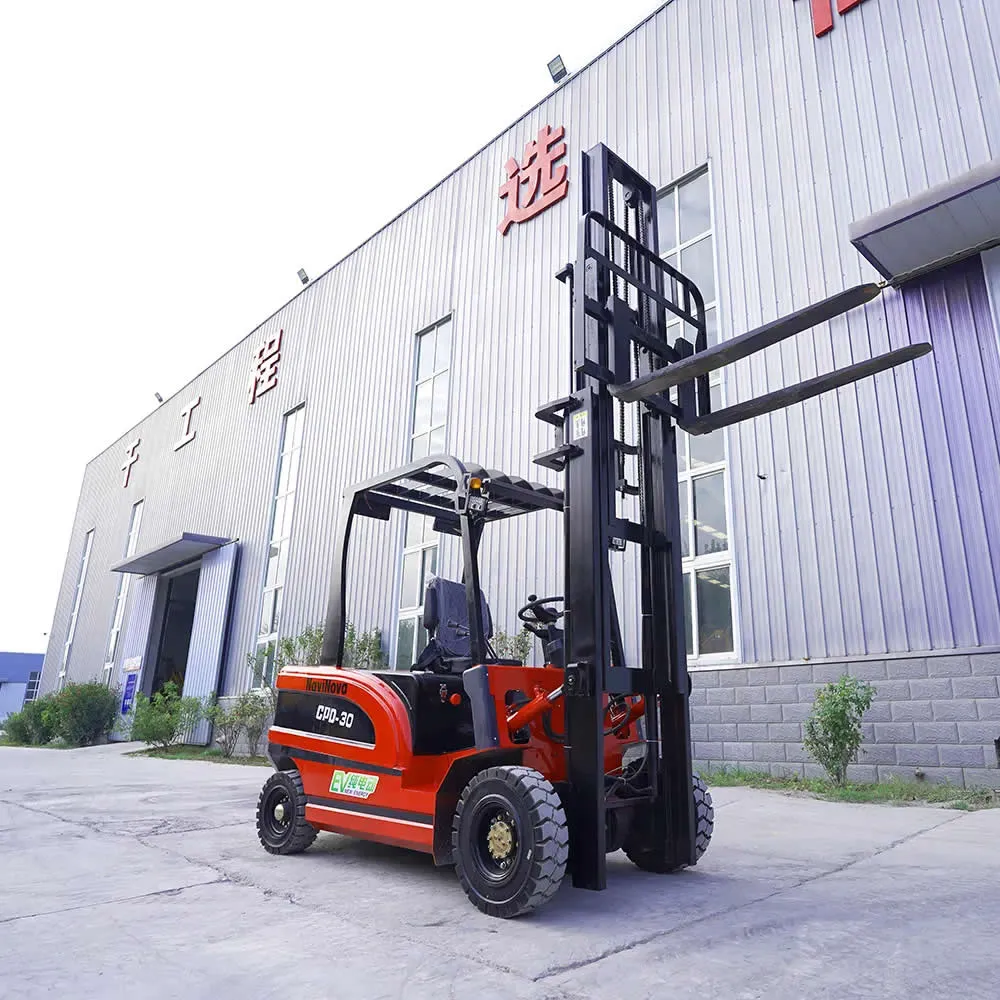
The suspension system of a rough-terrain forklift is not simply a "body suspension," but a structure that integrates chassis cushioning, wheel support, and dynamic stability functions. It generally consists of springs, shock absorbers, linkages, and bearing seats. Some high-end models are equipped with an oscillating axle to improve all-wheel ground contact and off-road performance.
Maintenance of the suspension system is not only crucial for handling but also helps extend the life of transmission components (by reducing impact loads), therefore regular inspection is essential.
4.1 Daily Inspection and Cleaning
During each pre-shift inspection, check the suspension components for loose bolts, damaged rubber bushings, leaking shock absorbers, or deformed springs. The suspension connection points often accumulate mud and stones. These foreign objects can accelerate wear, so it is recommended to clean them thoroughly and lubricate the lubrication points with grease.
Regular cleaning of the rear axle and suspension components with compressed air or high-pressure water (taking care to prevent water pressure damage to the seals) to remove mud and impurities is an important daily operation to extend the life of the suspension.
4.2 Inspection of Springs and Shock Absorbers
Whether the springs are broken or deformed directly affects the balance and stability of the entire vehicle. Shock absorbers are prone to oil leaks or loss of damping effect under prolonged impact loads. It is recommended to perform a more thorough inspection after a certain number of operating hours (e.g., 800–1000 hours), and replace the shock absorbers if necessary.
4.3 Inspection of Swing Axle and Suspension Connections
Some terrain forklifts use a swing axle mechanism to improve all-wheel ground contact. In actual maintenance, the wear of the swing axle pins, connecting rods, and their lubrication status should be checked carefully. If looseness, abnormal noise, or inflexibility occurs, disassembly and inspection or adjustment should be performed immediately.
|
Components |
Inspection cycle |
Maintenance Standards |
Change trigger conditions |
|
Shock absorber |
Visual and functional tests every 200 hours |
No oil leaks, no abnormal noises, and smooth rebound. |
Oil leak, noticeable vehicle shaking, abnormal tire wear, and a "thumping" sound when going over bumps. |
|
Arm swing (forward/backward ) |
Every 300 hours |
The rubber bushing showed no cracks, no delamination, and no displacement. |
Rubber hardening cracks >3mm, metal frame deformation, connecting pin looseness >2mm |
|
stabilizer bar linkage |
Every 500 hours |
The ball joint is secure and the dust cover is undamaged. |
Ball joint clearance > 1.5mm, abnormal noise worsens with steering. |
|
helical spring |
Every 1000 hours |
No cracks, no permanent deformation, no rust |
Spring pitch unevenness >10%, support force significantly reduced |
Hydraulic oil replacement cycle:
Strictly follow the 1500–2000 hours or 12 months standard. For high-intensity working conditions (such as mountain handling, continuous operation), shorten the cycle to 1000–1500 hours.
Oil type: ISO VG 46 anti-wear hydraulic oil, mixing different brands or models is prohibited;
Replacement procedure:
Start the engine and run at idle speed for 10 minutes to raise the oil temperature to 50–60℃;
Lift the forks to the highest position, tilt the mast to the limit, and release the residual pressure in the system;
Remove the oil drain plug from the oil tank, drain the oil completely, and then flush the inner wall of the oil tank with diesel fuel (water is strictly prohibited);
Replace the return oil filter element (model: F-3000), and after installing the new filter element, add oil to the midline of the oil level gauge.
As a maintenance engineer, you should also remind the on-site team to pay attention to the following points:
A complete pre-shift inspection should be performed daily, including a comprehensive inspection of tires, four-wheel drive system fluids, suspension components, brake system, etc., and records should be kept. Under extreme working conditions (muddy, sandy, or sloped surfaces), it is especially important to re-check the suspension system and the functionality of the four-wheel drive interlock, as these conditions accelerate component wear.
Any abnormalities found, such as vibration, noise, oil leaks, or unstable handling, should be immediately investigated to prevent secondary damage.
|
Tool Name |
use |
Model Example |
|
torque wrench |
Precision tightening of drive axle bolts |
10–200 N·m Electric Torque Wrench |
|
shock absorber spring compressor |
Safety disassembly and assembly of coil springs |
General purpose 2000kg load |
|
Hydraulic oil filter removal pliers |
Quick replacement of return oil filter element |
Suitable for F-3000 filter cartridges |
|
Infrared thermometer |
Detecting abnormal temperature rise in differential |
Fluke 59 Max+ |
|
Air tightness test spray bottle |
Check for leaks in the airbag suspension tubing. |
500ml soap spray bottle |
The four-wheel drive system and suspension components are fundamental to the reliable operation of terrain forklifts in complex environments. Proper maintenance not only ensures the long-term stable operation of the equipment but also significantly reduces repair costs and accident risks. As a maintenance engineer, establishing a scientific and detailed maintenance system, following the manufacturer's technical manuals and maintenance schedules, is crucial for improving equipment health and on-site efficiency.

