/static/upfiles/thumb/68819f4239691.webp

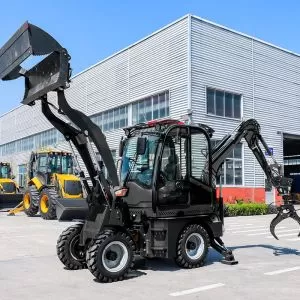
How to Prevent Bucket Deformation in Backhoe Loader Bulldozing Operations

Backhoe loaders (also known as backhoe excavators or bulldozers) combine loading and bulldozing/excavation functions, making them a common type of construction machinery used on construction sites for earthmoving, excavation, and bulldozing tasks. In bulldozing operations, the bucket, as one of the most important components of the backhoe loader, undergoes a fundamental change in its force distribution—from tensile force primarily for excavation to pressure and torque primarily for pushing. Its performance directly impacts work efficiency and equipment lifespan. However, the bucket is prone to deformation during operation due to various reasons, which not only affects work efficiency but can also lead to equipment damage, production stoppages, and unnecessary repair and maintenance costs.

2025-11-10

/static/upfiles/thumb/6864a12b21877.webp

Precautions for Loader Operation in Muddy and Snowy Conditions

In industrial and mining environments, loaders (whether wheeled or tracked) often face complex and harsh ground conditions. Muddy/soft soil and snow/ice conditions are particularly challenging, each presenting its own unique characteristics in terms of slippage/sinking risks, equipment wear, and operational strategies. These harsh environments not only test the mechanical performance of the equipment but also place extremely high demands on operational procedures. This article systematically analyzes the different precautions for wheeled/tracked loaders operating in muddy and snowy environments from four dimensions: ground conditions, equipment adaptability, operating procedures, maintenance, and safety management, highlighting the similarities and differences between the two. It aims to provide a reference for equipment selection, operator training, and on-site management.

2025-11-07

/static/upfiles/thumb/687f28dfdd6e8.webp

Applications of Sugarcane Loaders and Telescopic Loaders in Industrial and Mining Environments

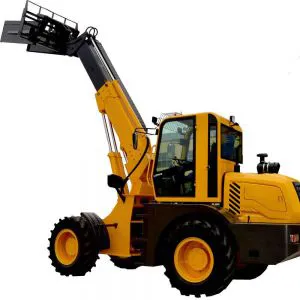
In industrial and mining environments, loaders are essential construction machinery, widely used in mines, coal mines, construction sites, sand and gravel plants, and other locations. Industrial and mining environments place stringent demands on the adaptability, efficiency, and versatility of loading equipment. Depending on the workload, loaders vary in type and performance. Sugarcane loaders and telescopic loaders are two typical examples, each with its own unique advantages and applications. This article will provide a detailed analysis of the applications of these two types of loaders in industrial and mining environments.

2025-10-13

/static/upfiles/thumb/686cc3ca71449.webp

Sugarcane Loaders/Telescopic Loaders in Agricultural Applications

Mechanized equipment is playing an increasingly important role in agricultural production, particularly in sugarcane planting, harvesting, and transportation. Sugarcane loaders (specialized or semi-specialized equipment) and general-purpose telescopic loaders (also known as telehandlers, telescopic boom loaders, or telehandlers) utilize modular attachment systems and variable arm lengths to efficiently handle agricultural materials such as sugarcane, straw, and fertilizer, demonstrating their potential for application in agricultural settings. For example, sugarcane loaders are equipped with a 360-degree rotating grab bucket, enabling side loading and front grabbing in the field, while their hydraulic travel system maintains stability even in muddy sugarcane fields. Telescopic boom models, with their 8-meter adjustable operating radius, can cross ditches or walls for tasks such as stacking feed.

2025-10-11

/static/upfiles/thumb/6864a12b21877.webp

Which is better suited for construction sites: wheel loaders or crawler loaders?

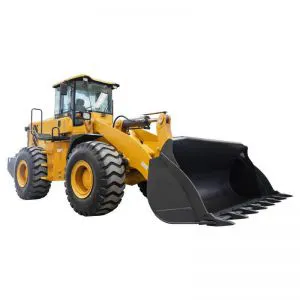
The choice of loader for a construction site requires a comprehensive consideration of terrain conditions, workload intensity, mobility requirements, and cost-effectiveness. Due to their structural differences, wheel and crawler loaders exhibit significant performance differences. This article will comprehensively compare various aspects of the loaders, including their features, performance, and operating environment.

2025-10-10

/static/upfiles/thumb/68707ee9dbe84.webp

Mini Loader Maintenance Manual

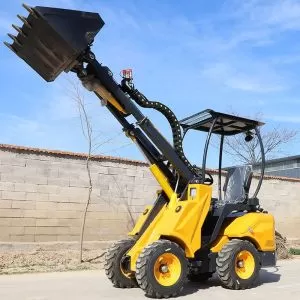
Mini loaders are highly efficient construction machines. Due to their compact structure and versatility, they are widely used in a variety of fields, including construction, agriculture, and gardening, as well as in confined spaces. Regular maintenance is crucial to ensure long-term, stable operation. This manual details the maintenance methods and precautions for each major component of a mini loader, helping users extend the life of the equipment and reduce malfunctions.

2025-10-09

/static/upfiles/thumb/686b68ed1a7f0.webp

Precautions for Operating Backhoe Loaders in Complex Terrain

Backhoe loaders, with their combined loading and digging capabilities, are versatile equipment for small to medium-sized construction projects. In civil engineering, mountainous road construction, slope stabilization, water conservancy, highway embankment work, and mining operations, operators often encounter complex terrain characterized by uneven ground, variable geological conditions, unstable ground bearing capacity, and other challenges. Operating a backhoe loader in such environments significantly increases the risk and technical difficulty. Therefore, both operators and site managers should thoroughly understand the precautions and operational guidelines for backhoe loaders in complex terrain. This information is intended for equipment operators, personnel, and safety managers.

2025-09-30

/static/upfiles/thumb/6864a12b21877.webp

Practical Tips and Precautions for Starting, Loading, Driving, and Unloading a Loader

Loaders (also known as excavators) are widely used in earthmoving operations for roads, railways, construction, mining, and other projects. They are primarily used for loading loose materials such as soil, sand, gravel, and coal, and can also perform light excavation work. By changing attachments, they can also perform functions such as earthmoving, lifting, and loading/unloading logs. Due to the widespread use of loaders, it is essential to understand their various operating techniques and safety precautions before use.

2025-09-29

/static/upfiles/thumb/687f3dc60d71c.webp

Advantages and Operational Guidelines for Loaders in High-Altitude Areas

Construction projects in high-altitude areas (above 3000 meters) face challenges such as low temperatures, low oxygen levels, and complex terrain. Modern loaders, with their power adaptability, robust structure, and intelligent technology, have become essential equipment for such projects. The unique environmental conditions in high-altitude areas impose higher demands on machine performance, operational procedures, and safety measures. This article, based on national standards and industry experience, analyzes the advantages and challenges of using loaders in high-altitude environments, and systematically summarizes operational and management guidelines, aiming to provide reference for construction equipment users, manufacturers, and operators.

2025-09-17

/static/upfiles/thumb/68bf9de529b0c.webp

Smart Loaders vs. Manual Operations: A Comprehensive Comparison of Cost and Efficiency

With the growing demand for efficient, precise, safe, and continuous operations in industries like construction, mining, and municipal administration, smart loaders (including automated/autonomous, semi-autonomous, and electric smart loaders) are becoming a mainstream trend. This article comprehensively compares smart loaders with traditional manual operations from multiple perspectives, including cost advantages, time efficiency, safety improvements, operational and maintenance advantages, and ecosystem integration, highlighting their value as a future staple of construction machinery.

2025-09-09

Get Free Quote

More Contact Details

Jessie Chen

0086-13738639686

Email:sales@cqwendy.com

Contact me whatapp

Yubei District, Chongqing, China.

contact us
contact us